

Guacamole Recipe (Step-by-Step Guide)
Look, I know guacamole has become a cultural battleground — every few years there’s a new addition that someone swears is “life-changing” (peas, I’m looking at you) and everyone has an opinion. But here’s the thing about authentic guacamole: it is profound in its simplicity. My abuela made it with six ingredients, and she was right. You do not need more than six ingredients. When the base is a perfectly ripe Hass avocado, every other addition should serve it — not compete with it, not mask it, not apologize for it.
This recipe is what guacamole has been in Mexico for hundreds of years: ripe avocado, lime, salt, white onion, cilantro, and serrano chile. That’s the whole story. And when those six ingredients are in correct proportion with a properly ripe avocado, it will be the best guacamole you have ever put in your mouth. I say this with complete confidence. Once you make it this way, you’ll never need another guacamole recipe again — and you’ll have strong feelings about what goes into your molcajete. Let’s get to it.
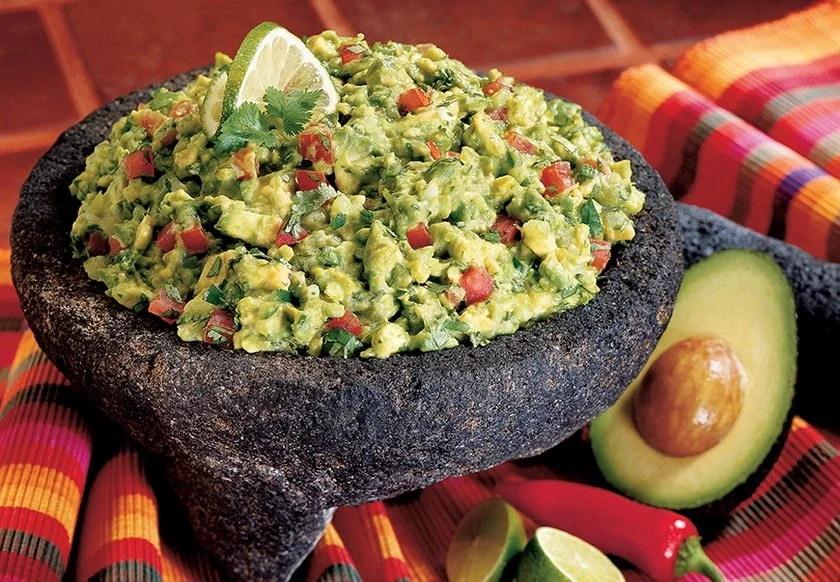
Recipe at a Glance
• Prep time: 10 minutes
• Cook time: 0 minutes
• Total time: 10 minutes
• Difficulty: Beginner
• Yield: About 2 cups; serves 4–6 as a dip
• Course: Dip / Side / Condiment
• Region/Origin: Pre-Columbian Aztec (Mexica) origin; eaten nationwide across Mexico
Ingredients
Core Six
• 3 ripe Hass avocados (see ripeness note below)
• Juice of 1–1.5 limes (about 2 tablespoons / 30 ml), freshly squeezed
• ¾ teaspoon fine sea salt, plus more to taste
• 3 tablespoons red onion, very finely diced (about ¼ of a small onion)
• 3 tablespoons fresh cilantro, finely chopped (leaves and tender stems)
• 1 fresh serrano chile (or jalapeño for milder heat), finely minced — seeds in for full heat, seeds out for moderate
Optional but Traditional
• 1 small roma tomato, seeded and diced — added in some regional traditions; fold in gently at the end
On Hass avocados: These are the dark, pebbly-skinned, small-to-medium avocados. They have the highest fat content of any avocado variety, which means they’re creamy, rich, and deeply flavored. Florida avocados — the large, smooth-skinned, bright green ones — are watery and lower in fat. Do not use them for guacamole. The texture and flavor difference is significant.
Ripeness test: Hold the avocado in your palm and apply gentle, even pressure with your whole hand — not your fingertips (fingertip pressure bruises the flesh unevenly). A ripe Hass avocado will yield to this pressure without feeling mushy. The skin should be very dark, nearly black. If it’s hard and bright green, leave it on the counter at room temperature for 1–2 days — never in the refrigerator to ripen.
On serrano vs. jalapeño: Serrano chiles are smaller, thinner, and significantly hotter than jalapeños — they are the traditional choice for guacamole. Jalapeños are milder, more widely available, and work perfectly well. Both are correct; the choice is yours based on your heat preference.
White onion only: White onion has a sharp, clean bite that balances the richness of the avocado. Yellow onion is too sweet; red onion is too pungent and will turn the guacamole a grayish-pink color. White onion, always.
Fresh lime juice only: Bottled lime juice is flat and has an off-flavor. Lemon juice has a different flavor profile that doesn’t work here. Fresh lime, squeezed the day of serving.
We offer catering services in and around Austin, TX and Texas Hill Country. Inquire HERE.
Step-by-Step Instructions
1. Rinse the Onion. Place the finely diced white onion in a small strainer and rinse under cold running water for 30 seconds, stirring with your fingers. Pat dry with a paper towel. This step removes the harsh, raw sulfur compounds that can overpower the guacamole while preserving the crunch and clean flavor of the onion. It takes thirty seconds and makes a real difference.
2. Build the Flavor Base First. In your molcajete (if you have one) or a medium bowl, combine the rinsed onion, minced serrano, cilantro, and salt. If using a molcajete, grind these ingredients together with the pestle until they form a rough, fragrant paste — about 60 seconds. If using a bowl, mash and press them together with the back of a fork for 30 seconds. This step is the key to evenly distributed flavor throughout the guacamole. You’ll smell the serrano and onion bloom into something sharp and bright as they break down. When the aromatics are macerated first, they release their oils and juices directly into every bite of avocado, rather than sitting in uneven chunks.
3. Add the Avocado. Halve the avocados, remove the pits, and scoop the flesh directly into the molcajete or bowl. Mash with a fork or the pestle to your preferred texture. Traditional guacamole is chunky — you should see visible pieces of avocado. If you want fully smooth guacamole, that is a personal choice, but it is also a different dish than what my grandmother made.
4. Add Lime Juice and Adjust. Add the juice of one lime and fold it in. Taste. Adjust salt and lime — the salt should make the avocado flavor pop, and the lime should provide brightness without overwhelming. Add more of either, one small increment at a time. The guacamole should taste vibrant and alive, with the chile providing a warm back-heat.
5. Add Tomato If Using. If adding roma tomato, fold the diced pieces in gently at the very end. The tomato should remain visible and distinct — not mashed in. Taste one more time.
6. Serve Immediately. Transfer to a serving bowl (or serve directly in the molcajete) and serve right away. Guacamole is at its absolute best the moment it’s made. If you must store it, press a piece of plastic wrap directly against the surface of the guacamole, eliminating all air contact, and refrigerate for up to 4 hours. The avocado pit in the center is a traditional trick — it doesn’t hurt, but the plastic-wrap method is more effective. > On the molcajete: A molcajete — the traditional Mexican mortar made from volcanic basalt — is not just decorative. The rough, porous stone surface creates a textured, slightly irregular mash that a smooth bowl genuinely cannot replicate. The result has an almost silky quality despite being chunky. If you make guacamole even twice a month, a molcajete is worth having.
Tips, Variations & Substitutions
Texas Kitchen Notes
Here in Dripping Springs, I pick up Hass avocados at H-E-B — they’re reliably stocked, and the store carries them at different stages of ripeness so you can plan ahead. If you’re in the Austin or Hill Country area, both H-E-B and Central Market usually have beautiful Hass avocados from Mexican growers, especially in summer. Buy a few at different ripeness stages so you always have a ripe one ready when the craving hits.
Regional Variations
• Oaxacan style: Sometimes made smoother and served on a tlayuda (large, crunchy corn tortilla) under the beans and cheese. The avocados used in Oaxaca are often a different variety — smaller, thinner-skinned, intensely creamy.
• Norteño style: Almost always includes diced roma tomato; served as a standard accompaniment to carne asada.
• Restaurant tableside style: A whole serrano chile is charred until blackened, then ground in the molcajete with the other aromatics before the avocado goes in — this adds a gorgeous smokiness without additional heat from raw chile.
• Central Mexico cumin touch: A tiny pinch of ground cumin — just a whisper — adds warmth. Non-traditional but delicious if you like it; start with barely ⅛ teaspoon.
Spice Adjustments
• Mild: Use half a jalapeño, seeded and deveined, and rinse the minced pieces before adding.
• Medium: Full jalapeño, seeds removed.
• Hot: Full serrano, seeds intact. Two serranos for serious heat.
• Smoky and hot: Char one serrano over a flame before mincing.
Dietary Notes
• Naturally vegan, gluten-free, and dairy-free as written.
• Keto and paleo-friendly: Extremely high-fat, no sugar, no grains.
• Fruit variations: Diced mango, pomegranate seeds, or thin-sliced strawberries folded in at the end are non-traditional but genuinely delicious for a summer variation.
Serving Suggestions
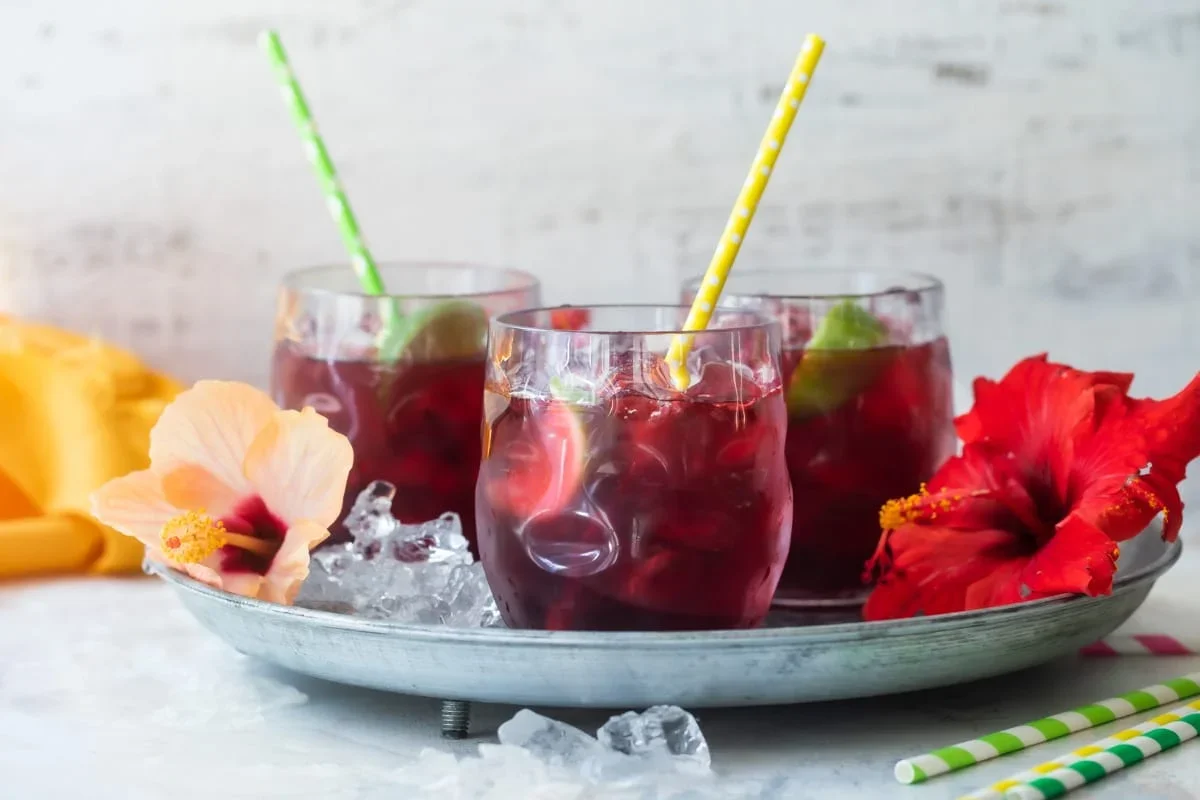
In Mexico, guacamole is not a party dip. It’s a condiment — present at breakfast, lunch, and dinner. Pair it with agua de pepino con limón (cucumber-lime water) on a hot Texas afternoon, or serve a cold Modelo Especial for the full patio experience. It goes on eggs, inside tacos, alongside grilled meats, spread inside tortas, spooned over beans, and eaten with whatever needs richness and freshness. The party-dip format (a bowl of guac surrounded by chips) is a U.S. adaptation, and a delicious one — but don’t limit yourself to it.
Serve on totopos — homemade or thick restaurant-style tortilla chips, not the thin, dusty kind that crumble under the guacamole’s weight. For a party spread, surround the molcajete with sliced cucumber, radish, and jicama alongside the chips — it’s a beautiful and refreshing presentation.
As a topping, guacamole belongs on tacos al pastor, carnitas, carne asada, scrambled eggs, enchiladas, and grilled fish tacos. A spoonful of guacamole improves almost any Mexican dish it touches.
Cultural & Historical Notes
Guacamole is one of the oldest surviving recipes in the Americas — and the word itself tells you exactly how old it is. The Nahuatl word ahuacamolli combines ahuacatl (avocado) and molli (sauce), and it was documented by Spanish conquistadors in the early 1500s when they observed Aztec (Mexica) people eating it widely across central Mexico. According to food historians, avocados have been cultivated in Mexico for at least 5,000 years — one of the oldest cultivated foods in the Americas.
The Hass avocado, now the dominant commercial variety worldwide, was developed by mail carrier Rudolph Hass in La Habra Heights, California, in the 1920s from a Mexican rootstock. The tree he patented in 1935 — known as the “Mother Tree” — produced the genetic line of every Hass avocado grown today. All roads lead back to Mexican soil.
Mexico produces over 30% of the world’s avocados, with the state of Michoacán responsible for the majority of that production. The avocado’s importance to the Mexican economy, culture, and table is difficult to overstate — it appears in some form in virtually every meal. Guacamole, in particular, has resisted “Americanization” more successfully than almost any other Mexican dish. The core recipe has remained essentially unchanged for centuries. Some foods are simply already perfect.
Frequently Asked Questions
How do I keep guacamole from turning brown? The browning (oxidation) is caused by the avocado’s flesh reacting with air. The most effective method is pressing a sheet of plastic wrap directly against the surface of the guacamole, removing all air contact — then refrigerating. Lime juice slows (but doesn’t stop) oxidation. The avocado pit trick is traditional and somewhat effective locally. None of these methods prevent browning indefinitely — guacamole is genuinely best eaten the day it’s made, ideally within a few hours.
What is the best type of avocado for guacamole? Hass avocados — always. Their high fat content creates the creamy, rich texture that guacamole requires. Other avocado varieties (Florida, bacon, fuerte) are lower in fat and higher in water, which produces a watery, less flavorful result. Look for Hass avocados that are very dark-skinned and yield to gentle palm pressure.
Should guacamole have tomato in it? This is genuinely a regional debate in Mexico, and the honest answer is: it depends on where in Mexico you’re asking. Many central Mexican cooks include it; many don’t. Traditionalists often argue that tomato dilutes the avocado flavor and adds excess water. Others love the brightness and color. My position: make it without tomato first so you know what the base tastes like; then add tomato the next time and decide for yourself.
How far in advance can I make guacamole? Up to 4–6 hours ahead, stored with plastic wrap pressed directly against the surface and refrigerated. Beyond that, the flavor and color both deteriorate. The aromatics (onion and chile) become sharper and more dominant over time as they continue releasing their compounds into the avocado. For best results, make it within 1–2 hours of serving.
What’s the difference between authentic and restaurant-style guacamole? Restaurant guacamole in the United States often includes extra ingredients (sour cream, tomato, sometimes garlic powder or cumin in large amounts) and is frequently made in large batches in advance, which affects texture. Authentic guacamole is made to order, uses just a few fresh ingredients, and is consumed immediately. The biggest difference is usually the ripeness of the avocados — restaurants sometimes use under-ripe avocados that haven’t fully developed their flavor. When you make it at home with perfectly ripe Hass avocados, there’s no competition.
Can I make guacamole in a blender or food processor? You can, but you’ll produce a smooth purée that lacks the characteristic chunky texture. More importantly, the blades generate heat and incorporate extra air, both of which accelerate browning. If you need to make a large batch of guacamole-adjacent dip quickly, a food processor works. But for guacamole served as a condiment or table dip, a molcajete or a bowl and a fork will always produce a better result.