

Horchata Recipe (Step-by-Step Guide)
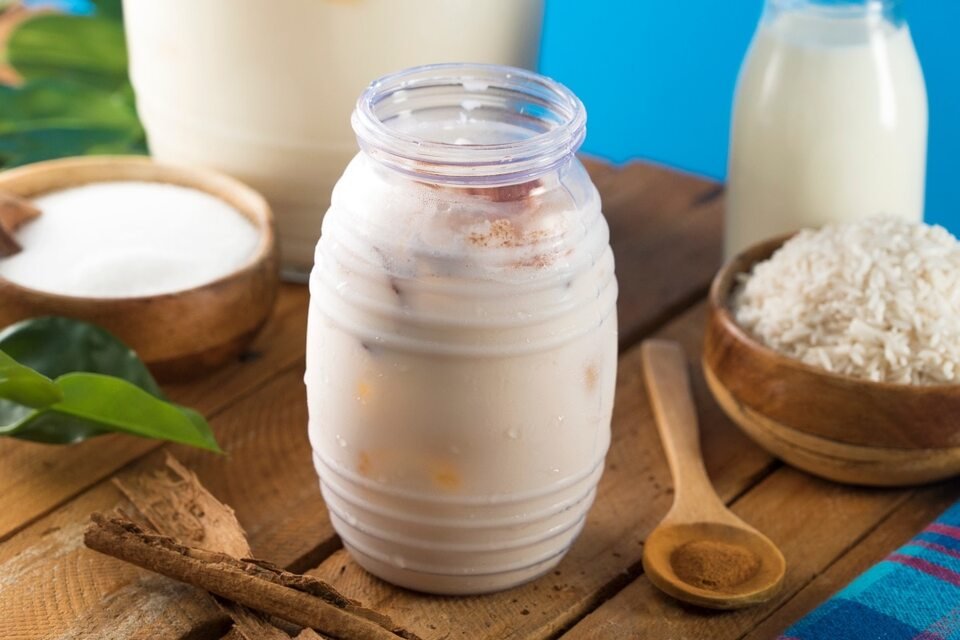
Horchata (agua de horchata, to be precise) is a cold, sweet beverage made by soaking white rice with cinnamon, blending the mixture, straining it until silky smooth, and sweetening it with sugar and a touch of evaporated milk. It is the most popular agua fresca in Mexico — you will find it on every taquería counter between a jug of agua de jamaica (hibiscus) and tamarindo. It costs almost nothing to make, it requires zero cooking, and it is infinitely better than anything that comes from a powder.
The real joy of homemade horchata is the control you have over it — the depth of cinnamon, the level of sweetness, whether you want it rich and creamy or light and refreshing, whether you want to spike it or keep it clean. Every kitchen makes it slightly differently and every version is right. Here’s how to make yours.
Recipe at a Glance
• Prep time: 10 minutes active (plus 4–8 hours soaking)
• Cook time: 0 minutes
• Total time: 4–8 hours (mostly hands-off soaking time)
• Difficulty: Beginner
• Yield: About 8 cups / 2 quarts (64 oz)
• Course: Beverage / Drink
• Region/Origin: Jalisco / Nationwide, Mexico
Ingredients
For the Horchata Base
• 1 cup (190 g) long-grain white rice (do not use instant, parboiled, or brown rice)
• 4 cups (950 ml) water for soaking, plus 2 more cups for blending
• 2 cinnamon sticks — Mexican canela is the authentic choice. Canela is Ceylon cinnamon: soft, papery, with a lighter, more floral, and slightly more complex flavor than the common Cassia cinnamon found in most U.S. grocery stores. Find it at any Latin grocery store, many H-E-Bs in Texas, or online. If using Cassia (the hard, tightly coiled type), use just 1 stick — it is more pungent and can overwhelm.
For Sweetening and Creaminess
• ½ cup (100 g) granulated white sugar, or to taste (start with less and adjust)
• ½ cup (120 ml) evaporated milk (substitute: whole milk for a lighter body; coconut evaporated milk for a vegan version; omit entirely for a completely dairy-free, lighter horchata that is still delicious)
• ½ tsp pure vanilla extract (optional but recommended — Mexican vanilla is superb here)
For Serving
• Ice (plenty of it — horchata should be served very cold)
• Pinch of ground cinnamon for garnish
• A whole cinnamon stick for garnish (optional)
Key Ingredient Notes: - The rice does not need to be cooked. The soaking process extracts its starch, which naturally thickens and creates the body of the drink. - Do not add condensed milk in place of granulated sugar without adjusting — condensed milk is very sweet and will quickly over-sweeten the horchata. If you want to use it, use 2–3 tablespoons in place of all of the sugar and taste carefully. - A split vanilla bean added to the soaking water alongside the cinnamon produces a beautifully floral, slightly more complex horchata. Fish it out before blending.
We offer catering services in and around Austin, TX and Texas Hill Country. Inquire HERE.
Step-by-Step Instructions
1. Rinse the rice. Place the rice in a fine-mesh strainer and rinse briefly under cold water — just a quick rinse to remove surface starch. The water should run slightly cloudy then turn clear; you want to keep most of that starch since it contributes to the body of the horchata.
2. Soak overnight (or for at least 4 hours). Combine the rinsed rice and cinnamon stick(s) in a large bowl, pitcher, or container. Pour in 4 cups of water. The rice and cinnamon should be fully submerged. Cover and let soak at room temperature for a minimum of 4 hours. After a full overnight soak, the water will have turned milky and ivory-tinted and the kitchen will carry a faint, warm cinnamon fragrance — that’s the flavor building. Both times work; overnight is better.
3. Blend in batches. Working in two batches, pour the soaked rice, its soaking water, and the now-softened cinnamon stick(s) into a blender. Add the additional 2 cups of fresh water split between the batches. Blend on the highest setting for a full 1–2 minutes — the mixture will go from grainy and beige to a pale, opaque white and should smell intensely of cinnamon. A high-powered blender (Vitamix, Blendtec) produces a noticeably creamier result than a standard blender, but any blender will work.
4. Strain — twice if needed. Set a large pitcher or bowl under a fine-mesh strainer lined with a double layer of cheesecloth, or just use a very fine mesh strainer alone. Pour the blended mixture through in batches. Use a spoon or spatula to press and push the solids, extracting as much liquid as possible. Discard the rice solids. If the strained horchata still feels gritty when you rub a drop between your fingers, strain it a second time. This step determines the final texture. Gritty horchata is the most common beginner mistake and it is entirely avoidable with patience.
5. Sweeten and enrich. Add the sugar to the strained horchata and stir until completely dissolved. Add the evaporated milk and vanilla extract. Taste. Adjust sugar if needed — the sweetness should be present but not cloying. If it tastes flat, add a pinch more cinnamon (ground) or an extra squeeze from the soaked cinnamon stick. If it tastes thin, a splash more evaporated milk rounds it out beautifully.
6. Chill thoroughly. Refrigerate the pitcher for at least 1 hour, preferably 2–3 hours, until very cold. Horchata tastes dramatically better cold than at room temperature — chilled, the cinnamon softens from sharp to warm and the whole drink becomes smoother and more cohesive.
7. Stir and serve. Horchata settles as it sits — the heavier starch particles drift to the bottom, the lighter liquid rises. Give the pitcher a vigorous stir (or shake if using a lidded container) before every pour. Fill a tall glass with as much ice as it will hold, pour the horchata over, dust with a pinch of ground cinnamon, add a cinnamon stick garnish if you have one, and serve immediately.
Technique Tips: - The longer the soak, the more starch is extracted and the creamier the natural body of the horchata — this is why overnight soaking produces superior results without adding extra milk. - Strain meticulously. There is no shortcut here. If your horchata is gritty, strain it again. - Horchata settles. Stir before every glass. This is not a flaw — it is simply the nature of a grain-based drink with no stabilizers. - Horchata is best within 3–4 days of making. After that, it begins to ferment slightly and the texture changes.
Tips, Variations & Substitutions
Regional Variations
In parts of Jalisco and Michoacán, horchata is traditionally made with a blend of white rice and pepitas de melón (melon seeds), which produces a richer, slightly nuttier flavor profile. If you have access to raw melon seeds, replace ¼ cup of the rice with seeds. Some regions of Mexico add a handful of dried fresa (strawberry) or tamarindo to the soaking water for a tinted, fruited version — visually striking and subtly different in flavor.
In Spain, where the word horchata originated, the drink is made entirely from chufas (tiger nuts) — a completely different ingredient that produces a thicker, earthier drink with almost no resemblance to the Mexican rice version. According to food historian Rachel Laudan, the Mexican adaptation with rice was born out of necessity when chufa nuts were unavailable in New Spain, and the result became so thoroughly naturalized that it is now the more widely recognized version worldwide.
Cinnamon Intensity
One cinnamon stick produces a warm, background note of spice. Two sticks — or one stick and a teaspoon of ground cinnamon added to the soak — gives a bolder, more pronounced cinnamon character. If you are unsure, start with one stick and add ground cinnamon at the sweetening stage, tasting as you go.
Dietary Adaptations
• Vegan: Omit the evaporated milk entirely or use oat milk, almond milk, or coconut evaporated milk. All integrate smoothly. Oat milk produces the most neutral, creamy result; almond milk adds a faint nuttiness that actually pairs well with the cinnamon.
• Lower sugar: Reduce to ¼ cup sugar and taste. The natural rice starch contributes some perceived sweetness; many people find less sugar preferable once they taste how good the drink is without sweetness dominating.
• Boozy horchata: This is a perfectly legitimate adult variation. Add one shot of dark rum, aged tequila, or Ron del Barrilito per glass. A splash of Kahlúa works beautifully too. Horchata cocktails have become popular enough that bars across the U.S. now serve them regularly.
Serving Suggestions
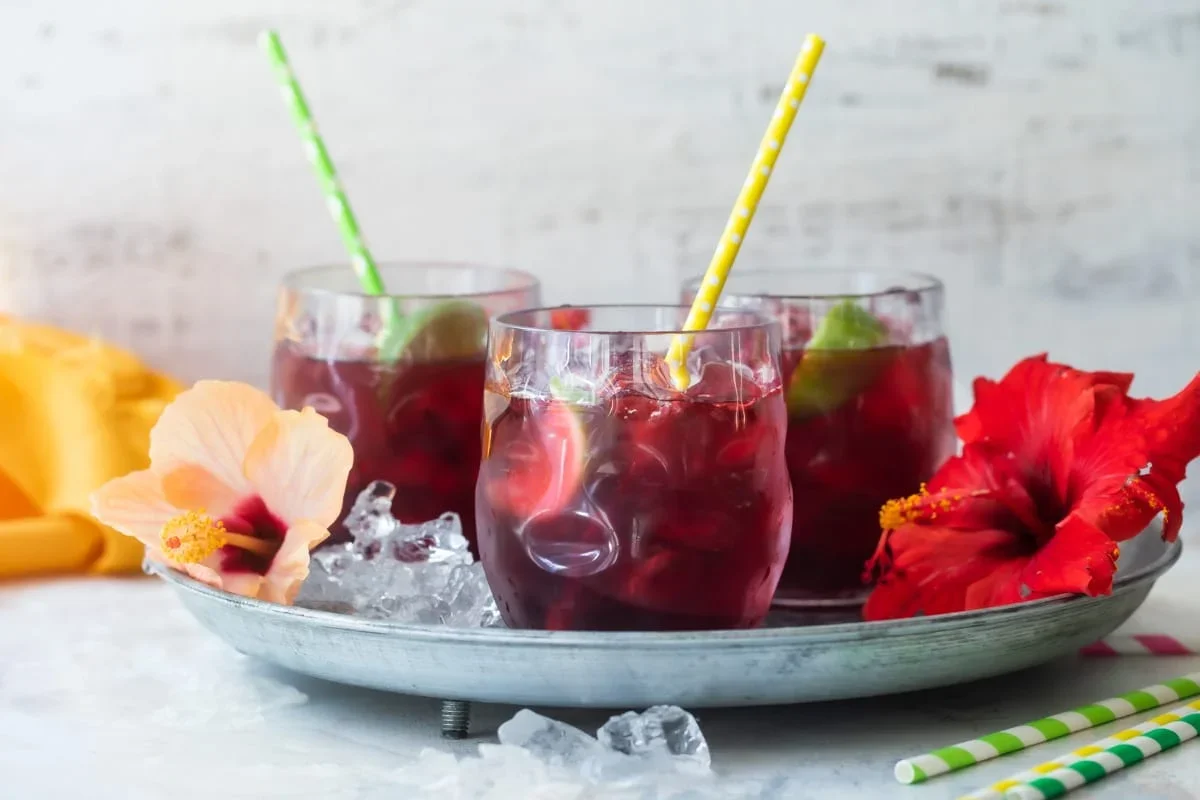
Horchata exists in Mexico to accompany food — specifically, to be the cooling, creamy counterweight to something hot and spiced. It is the perfect partner for tacos al pastor (the spicy pineapple pork tacos), chile rellenos, tamales, enchiladas, or any dish with significant heat. At a taquería, it sits next to agua de jamaica (hibiscus water) and tamarindo — the three together form the classic agua fresca trio, and a table with all three feels complete.
At home, make a full pitcher for taco night and watch it empty before the tacos are gone. For parties, a glass beverage dispenser filled with horchata and labeled is always a crowd-pleaser — beautiful to look at and one of those drinks that non-Mexican guests try with curiosity and ask for a second glass immediately.
Presentation is simple: a tall clear glass that shows off the pale, slightly opaque color, plenty of ice, a dusting of cinnamon that settles onto the surface, and a whole cinnamon stick propped against the rim. That is the traditional presentation at every taquería in Mexico and it is exactly right.
Cultural & Historical Notes
The story of Mexican horchata is, in miniature, the story of Mexican cooking itself: a foreign import transformed so thoroughly that the result feels entirely, irreversibly Mexican.
According to Rachel Laudan, horchata de chufa — tiger-nut horchata — originated in Valencia, Spain, where it remains a protected regional drink with designated origin status. Spanish colonizers brought the concept to New Spain in the 16th century, but chufas (tiger nuts) did not grow in Mexican soil. Rather than abandoning the drink, Mexican cooks adapted it using rice — an ingredient that had itself been introduced from Asia via Spain — and in doing so created something new. The Mexican version spread across the country and eventually became more globally recognized than the original.
Aguas frescas — the broader category of cold, lightly sweetened water-based beverages made from fruit, flowers, seeds, or grains — are central to Mexican food culture in a way that is difficult to overstate. They are the beverages of daily life: the drinks at the market stall, the church festival, the family table, the taquería counter. Horchata, jamaica, and tamarindo form the classic trio available at virtually every taquería in Mexico and the United States.
Today, horchata has crossed into American mainstream coffee culture — horchata lattes, horchata cold brew, and horchata-flavored syrups are found at independent coffee shops from Portland to Nashville. It is one of the clearest examples of a Mexican food tradition entering and enriching American eating culture at large.
Frequently Asked Questions
How long does homemade horchata last in the refrigerator? About 4 days in a sealed pitcher or container. After that, the rice starch continues to ferment slightly and the flavor and texture begin to shift. It will not make you sick if it is a day or two past that window, but it will taste noticeably different. Make it in smaller batches if you are not drinking it within a few days, or plan to make it close to the event you are serving it at.
Why is my horchata gritty — what did I do wrong? You didn’t strain it thoroughly enough. This is the most common mistake. Pour it through your strainer a second time, pressing firmly on the solids. If it is still gritty after two strains, your strainer is not fine enough — use a cheesecloth-lined strainer. A Vitamix-style high-power blender also helps by pulverizing the rice more completely before straining.
Can I make horchata without soaking the rice overnight? Yes — a 4-hour soak at room temperature produces a good horchata, just slightly less rich and cinnamon-forward than the overnight version. If you are truly pressed for time, soak in warm water (not boiling) for 2 hours minimum. Do not skip the soaking entirely; dry rice does not blend smoothly and produces a very thin, less flavorful drink.
What is the difference between Mexican horchata and Spanish horchata? They share a name and a concept — both are cold, sweet drinks — but are made from entirely different ingredients and taste completely different. Spanish horchata de chufa is made from tiger nuts and has an earthy, slightly starchy flavor that is thicker and less sweet than the Mexican version. Mexican horchata de arroz is lighter, more fragrant, and distinctly cinnamon-forward. If you order horchata at a Mexican restaurant and a Spanish bar, you will receive two completely different drinks.
Can I use brown rice or other rice varieties? White long-grain rice is the standard and produces the cleanest, creamiest result. Brown rice retains its bran layer and produces a noticeably earthier, slightly nuttier horchata with a tan color rather than white — some people love this, but it is a variation rather than the classic. Do not use short-grain sushi rice (too starchy and gummy), parboiled rice, or instant rice (both produce inferior results due to processing).
How do I make a horchata cocktail? The easiest approach: make your horchata as normal and add alcohol per glass at serving. Dark rum (2 oz per glass) is the most classic pairing — it plays beautifully with the cinnamon and vanilla notes. Aged tequila reposado is excellent. For a dessert cocktail, mix horchata with Kahlúa and a splash of cream — essentially a Mexican White Russian. Chill the glass first, pour over ice, stir gently, and dust with cinnamon.