

Sopes Recipe (Step-by-Step Guide)
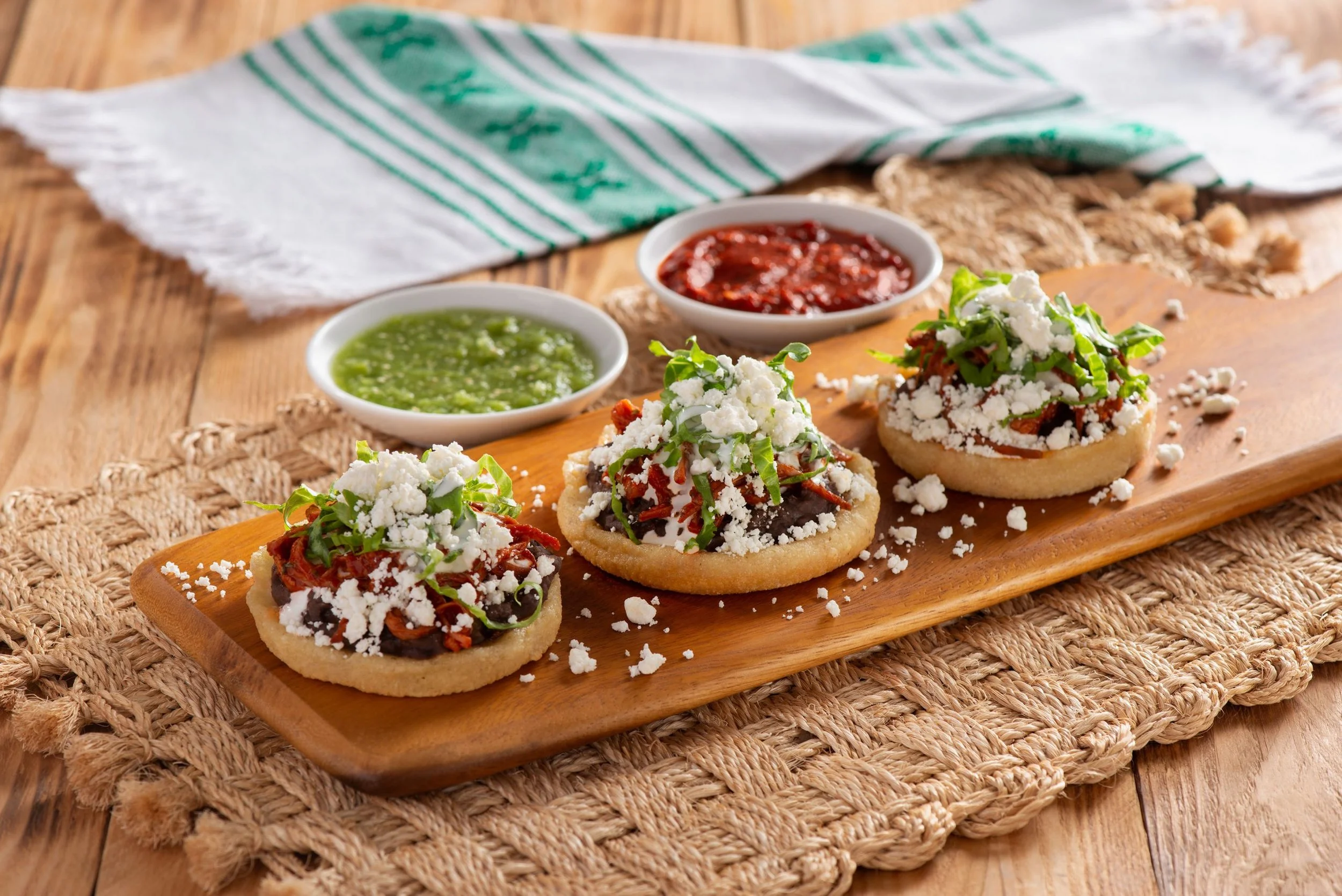
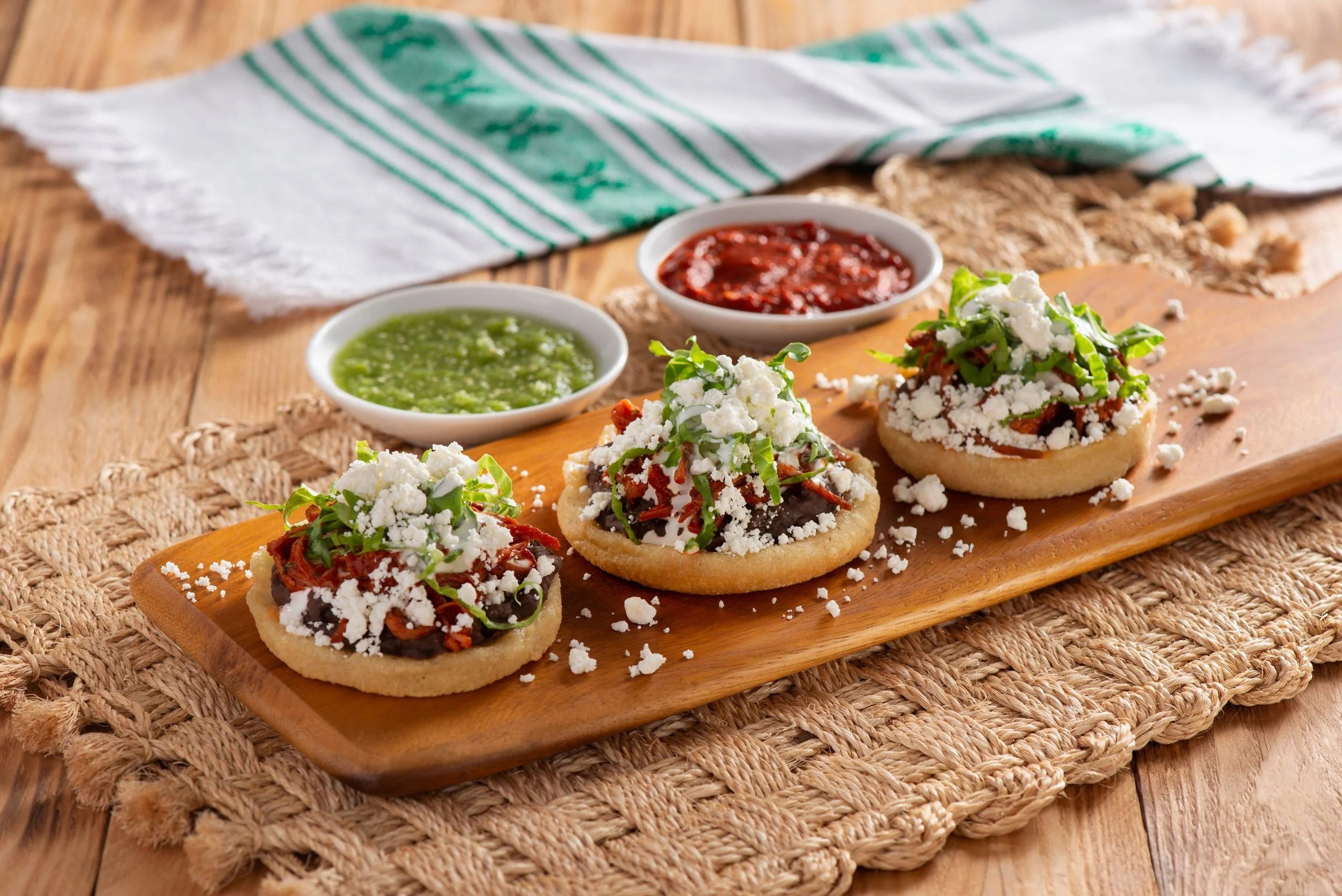
Sopes (pronounced SOH-pehs) are one of Mexico’s most beloved antojitos — the category of masa-based street snacks that includes tacos, tostadas, gorditas, and huaraches. Think of them as thick, oval or round masa discs, somewhere between a tortilla and a corn cake in thickness, with pinched edges that hold toppings in place: refried beans, your protein of choice, salsa, crema, queso fresco, shredded lettuce. They are eaten all over Mexico, from street carts to family kitchens, as a quick lunch or a full dinner spread on the table for everyone to build their own.
According to Wikipedia’s entry on sopes, they originate in the central and southern parts of Mexico, where they were sometimes first known as pellizcadas — from the verb pellizcar, meaning to pinch — which is exactly what you do to make them. Some food historians, like Jennifer Angela Lee, connect sopes directly to Aztec masa traditions, noting that nixtamalized corn — corn treated with an alkaline solution to unlock its nutrition and flavor — has been the foundation of Mexican cooking since before European contact. In that sense, every sope is a living piece of culinary archaeology.
Key Details
• Prep time: 20 minutes
• Cook time: 25 minutes
• Total time: 45 minutes
• Difficulty: Easy–Intermediate
• Yield: 10–12 sopes (serves 4 as a main)
• Course: Antojito / Main / Street Food
• Region/Origin: Central and southern Mexico (nationwide)
Ingredients
For the Sope Masa
• 2 cups (240g) masa harina (nixtamalized corn flour, such as Maseca)
• 1½ cups (360ml) warm water (plus more as needed)
• ½ tsp kosher salt
• 1 tbsp lard or vegetable shortening (optional, for richer flavor)
Substitution note: Use masa harina, not cornmeal or cornstarch — they are entirely different products. Maseca is the most widely available brand and makes excellent sopes. Masienda masa harina, available at Central Market, produces a more complex, deeply corn-flavored result. Bob’s Red Mill also makes a nixtamalized corn flour that works.
For the Toppings (build your own)
The base layer: - 2 cups (480g) refried beans, warmed (homemade or store-bought; black or pinto)
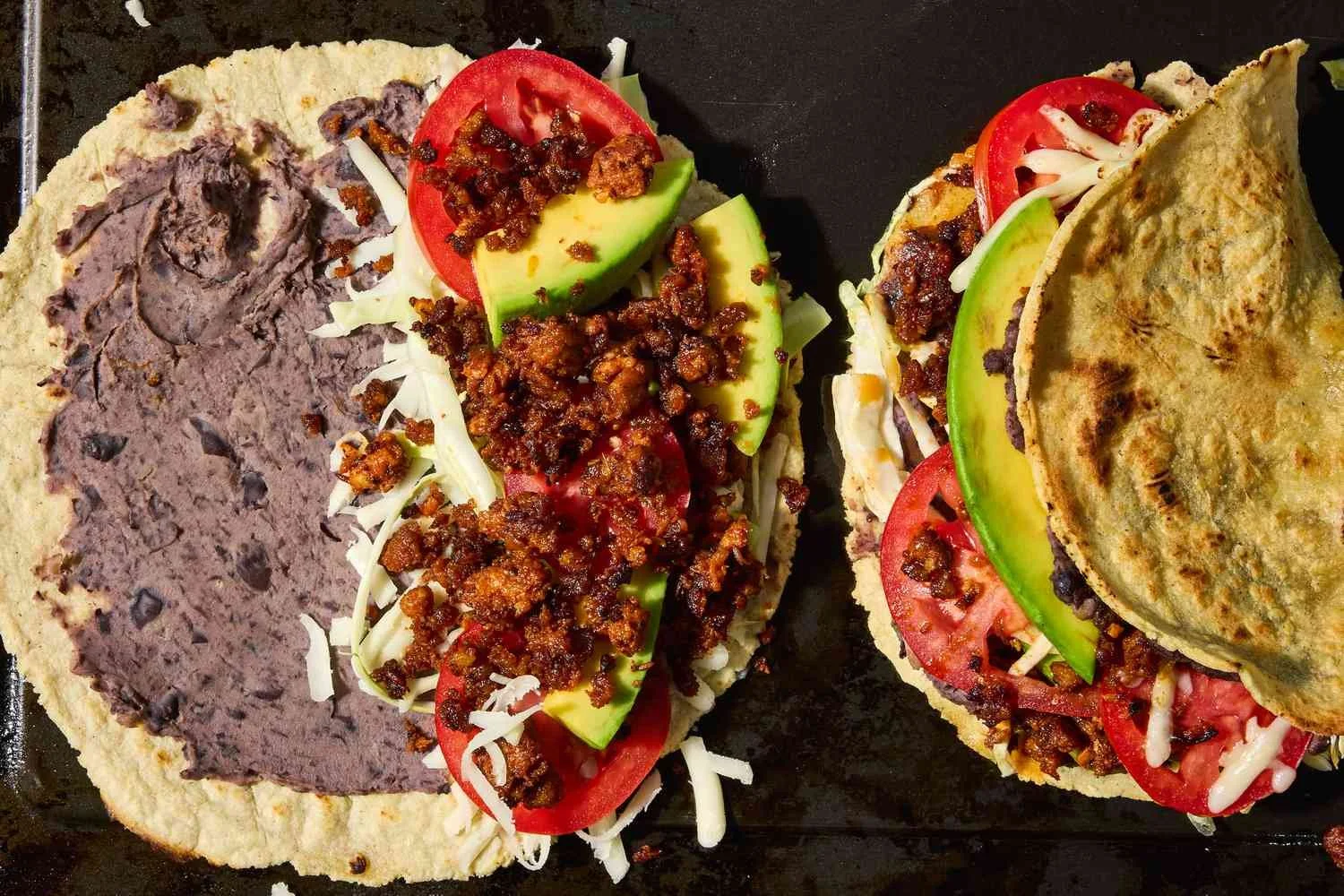
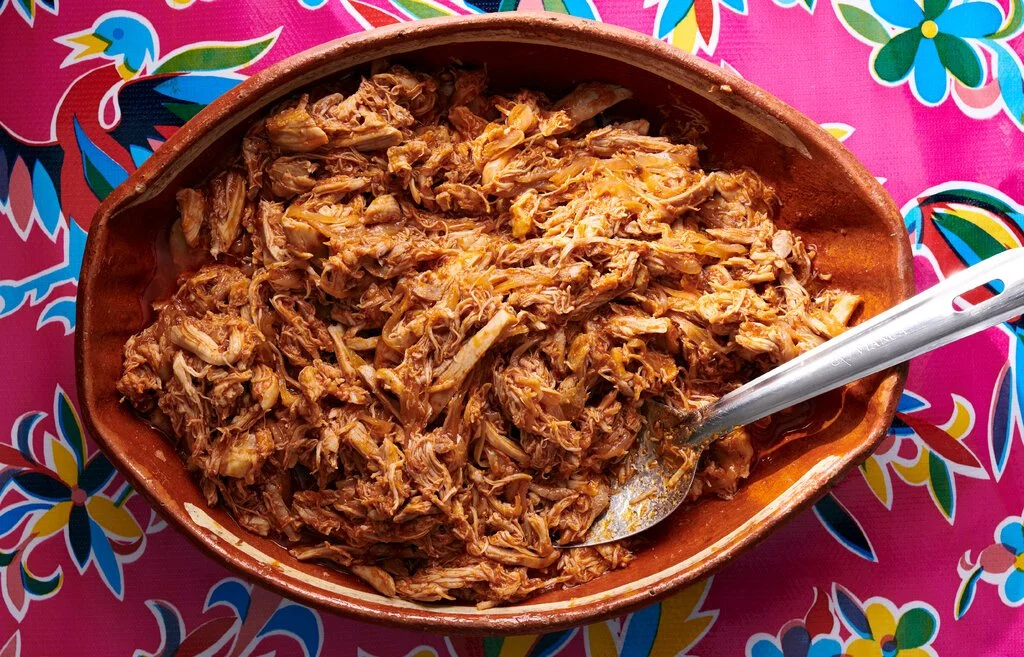
The protein (choose one or more): - 1½ cups (200g) shredded chicken tinga (chipotle-braised chicken) - OR 1½ cups (200g) ground beef picadillo (seasoned ground beef with onion, tomato, and spices) - OR 1½ cups (200g) cooked and crumbled Mexican chorizo - OR diced cactus (nopales), sautéed, for a vegetarian option
The garnishes: - 1 cup (60g) shredded romaine lettuce or thinly sliced cabbage - ½ cup (80g) crumbled queso fresco or cotija - ½ cup (120ml) Mexican crema or sour cream - Salsa verde or salsa roja - Sliced radishes and fresh cilantro
Substitution note: Queso fresco is available at every H-E-B in Texas. Cotija (saltier, drier) is also widely stocked. Sour cream is an excellent and accessible substitute for crema — just thin it slightly with a squeeze of lime juice.
For Frying (optional)
• ½ cup (120ml) vegetable oil, for shallow-frying the sopes after shaping
We offer catering services in and around Austin, TX and Texas Hill Country. Inquire HERE.
Step-by-Step Instructions
1. Make the masa dough. In a large bowl, combine the masa harina and salt. Gradually add the warm water, mixing with your hands, until a soft, cohesive dough forms — it should feel like Play-Doh, smooth and slightly tacky, but not sticky. If cracks appear when you press a ball of dough flat, add water one tablespoon at a time. Work in the lard or shortening if using, kneading it thoroughly into the dough. Cover with a damp kitchen towel and let rest 10 minutes — this hydration rest makes the dough easier to work with.
2. Shape the sopes. Divide the masa into golf ball-sized portions, about 1.5 oz (40g) each — you should get 10 to 12. Place a ball of dough between two sheets of plastic (cut-open zip-lock bags work perfectly). Press with a tortilla press or the flat bottom of a heavy skillet to form a disc about ⅓-inch thick and 3½ inches across. Sopes are thicker than tortillas. If yours are cracking at the edges, add a bit more water to the dough.
3. Cook on the comal. Heat a dry griddle, cast-iron skillet, or comal over medium-high heat. Cook the masa discs for about 2 minutes per side, until lightly browned in spots and the surface looks dry and slightly matte — no longer raw-looking. The sopes should hold their shape when lifted. They will puff slightly; this is good. Work in batches, keeping cooked sopes warm under a towel.
4. Pinch the edges. This is the step that makes a sope a sope. While each sope is still warm and pliable (but cool enough to handle — 30 to 60 seconds off the heat), use your thumb and index finger to pinch and press the edges upward all the way around, forming a rim about ⅓ inch high. Work quickly — once the masa cools, it loses pliability and will crack when pinched. The rim doesn’t need to be perfect or tall; it just needs to be there to hold the toppings.
5. Optional: shallow-fry. This step is optional but gives sopes their classic slightly crispy exterior. Heat ½ cup of vegetable oil in a skillet over medium-high heat until shimmering. Fry the shaped sopes for 1–2 minutes per side until golden and slightly crisp. Drain on paper towels. If you skip frying, the sopes will be softer — still delicious, more like a corn cake. For the crispiest result without deep frying, brush with oil and bake at 400°F for 8–10 minutes.
6. Warm and top. Spread a generous layer of warmed refried beans over each sope — the beans are structural, holding everything together above the masa. Add your protein, then shredded lettuce, then a drizzle of crema and a spoonful of salsa. Finish with crumbled cheese, radish slices, and cilantro. Serve while warm.
Tips, Variations & Substitutions
Regional variations
• Mexico City style: Sopes topped with papas con chorizo (potatoes and chorizo) or chicharrón en salsa verde (fried pork rinds in green sauce).
• Oaxacan style: Black beans, quesillo, and sometimes chapulines (roasted grasshoppers) — the regional cheese and bean varieties make them distinctly different from central Mexican versions. Food historians note that in Oaxaca, sopes are sometimes called memelas and may be oval-shaped.
• Jalisco style: Topped with a rich, slow-cooked birria (goat or beef stew) and served with consommé on the side.
• Northern Mexico style: Often skip the vegetables and go heavy on longaniza (pork sausage) and spicy red salsa.
Make them gluten-free
Sopes are naturally gluten-free when made with pure masa harina (no wheat flour added). Just confirm your masa harina brand is certified GF if needed; Maseca is.
Make-ahead and storage
Cook and shape the sopes through step 4, then store unfropped in a zip-lock bag in the refrigerator for up to 3 days, or freeze for up to 3 months. Reheat in a dry skillet or oven before topping. This makes weeknight sopes genuinely fast.
Where to find ingredients in Texas
• Maseca masa harina: Every H-E-B carries it in multiple sizes. The large 4.4 lb bag is worth buying if you make these regularly.
• Masienda masa harina: Central Market in Austin and San Antonio. More expensive, noticeably better corn flavor.
• Queso fresco and cotija: Standard at any H-E-B, Fiesta Mart, or Latin market in the state.
• Mexican crema: H-E-B carries the Cacique brand, which is excellent and widely available.
How to Serve Sopes
Sopes are most traditionally served as a casual, communal meal — all the toppings in bowls on the table, everyone building their own. They make a perfect party setup for a Texas backyard gathering, especially in spring and fall when the Hill Country weather cooperates.
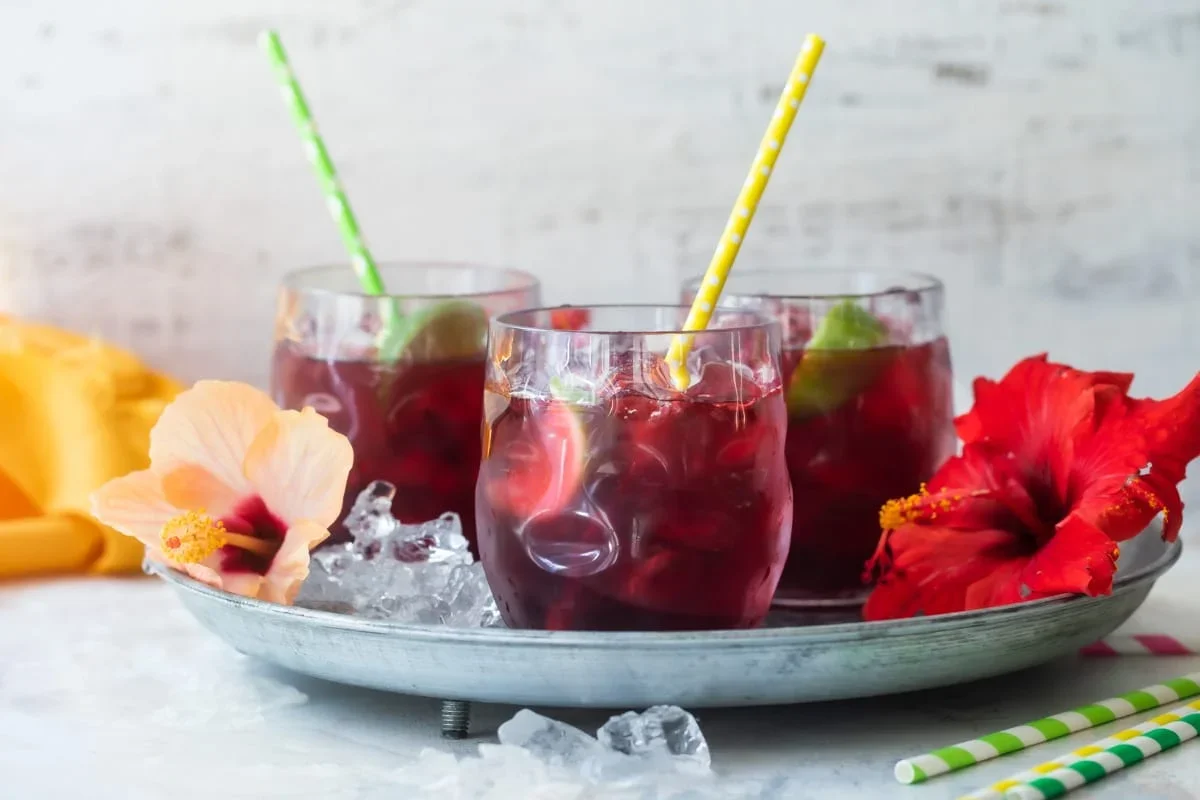
Traditional accompaniments: - Salsa verde or salsa roja — make both for the table - Agua fresca de horchata (rice milk drink with cinnamon and vanilla) or agua de jamaica (hibiscus) - Cold Mexican beer — Dos Equis Amber is a wonderful pairing with the earthy masa - Café de olla (cinnamon-spiced black coffee) if serving sopes for breakfast
What to drink: For an easy backyard gathering, set out a cooler of Dos Equis Amber or Modelo Negra — both complement the earthy masa beautifully. Going non-alcoholic? A pitcher of agua de horchata made with rice, cinnamon, and vanilla is cool, creamy, and crowd-pleasing.
Plating note: Don’t over-pile. The beauty of a sope is that you can see the layers — bean, meat, lettuce, crema — and the pinched edge holding it all together. Two or three sopes per plate is plenty; serve extras on the side.
The Story Behind Sopes
The sope is one of the oldest forms of Mexican street food, built on the same pre-Columbian foundation as tortillas, tamales, and pozole — the nixtamal, corn processed with an alkaline solution to make it more nutritious and flavorful. According to food historians who have studied Aztec foodways, nixtamalization has been practiced in Mesoamerica for over 3,000 years, and thick masa cakes resembling what we now call sopes were among the earliest preparations, predating the thin tortilla that would become more widespread.
Wikipedia’s entry on sopes notes that they originated in the central and southern regions of Mexico, where they were sometimes called pellizcadas (the pinched ones) or picaditas in Tierra Caliente, Guerrero. The dish spread throughout Mexico as a practical, portable, infinitely customizable food — a meal that could be topped with whatever was on hand and eaten standing up. The fact that sopes appear across virtually every Mexican region, each with its own toppings and variations, speaks to how deeply they’re embedded in the national food culture.
Today, sopes rank among the most-searched Mexican antojito recipes among home cooks in the United States — reflecting both the large Mexican-American population familiar with them from childhood and a growing curiosity among broader audiences discovering the richness of regional Mexican cooking beyond tacos. They deserve every bit of that attention.
Frequently Asked Questions
What is masa harina and where do I find it?Masa harina is dried, nixtamalized corn flour — it’s been processed with an alkaline solution (traditionally lime water), then dried and ground. It is NOT the same as regular cornmeal or corn flour. In Texas, you’ll find Maseca at every H-E-B and most grocery stores. It’s in the Latin food aisle.
Why do my sopes crack when I try to pinch the edges? The dough is either too dry or the sopes have cooled too much before you pinch them. If the dough cracks, add water a tablespoon at a time. Always pinch the edges immediately after pulling sopes off the comal, while they’re still warm.
Do sopes have to be fried? No. Many home cooks and street vendors cook sopes only on the comal and don’t fry them at all. The comal-only version is softer and more like a corn cake. Frying gives crispier edges but adds more oil. Both are delicious; it’s a matter of preference.
Can I use corn tortilla dough from a tortillería? Absolutely — fresh masa from a tortillería (which some Latin markets in Austin and San Antonio sell) makes the best sopes. Just ask for fresh masa and follow the same process. You may need to add a tiny pinch of salt.
What’s the difference between a sope and a gordita?The main distinction is structural: a sope is an open-faced disc with pinched edges designed to hold toppings on the surface. A gordita is a thicker masa cake that’s split open like a pita and stuffed with fillings inside. Same dough, different architecture.
How do I keep sopes warm for a party? After cooking and shaping, place them in a single layer on a baking sheet in a 200°F oven. They’ll hold well for up to 45 minutes. Fry them just before serving for the crispest results.
What protein works best on sopes? This is genuinely personal. For traditional flavor, chorizo or chicken tinga are the most classic. For a Tex-Mex angle, brisket (yes, really) is magnificent. For vegetarians, black beans with sautéed nopales and queso fresco is exceptional.
Can children eat sopes? Yes — sopes are mild in their base form. Just keep the salsa on the side and let kids build their own. The interactive toppings-bar setup is genuinely kid-friendly.