

Elote and Esquites Recipe (Step-by-Step Guide)
Elote is grilled corn on the cob slathered with crema, mayonnaise, cotija cheese, chili powder, and lime — a street food snack sold from carts across Mexico and everywhere Mexican communities have settled in the United States. Esquites is its cup-form cousin: the same corn cut from the cob (or scooped from a can in a genuine weeknight emergency), sautéed in butter with garlic and epazote, and served in a cup with the same glorious toppings eaten with a spoon. Same ingredients, different joy.
Both of these come together in about twenty minutes with zero special equipment. If you have a grill, great. If you have a cast-iron skillet, also great. The only requirement is high heat and the willingness to eat something messy and delicious. Let’s go.
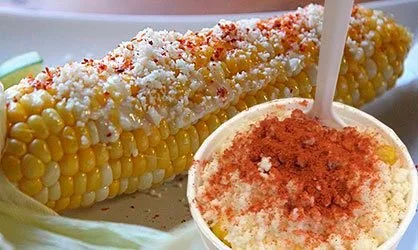
Recipe at a Glance
• Prep time: 10 minutes
• Cook time: 10–15 minutes
• Total time: 20–25 minutes
• Difficulty: Beginner
• Yield: 4 servings (elote on the cob) or 4 cups (esquites)
• Course: Street food / Snack / Side dish
• Region/Origin: Nationwide, Mexico (City markets to every state)
Ingredients
For Elote (On the Cob)
• 4 ears fresh corn, husks removed
• 1 tbsp neutral oil or melted butter for grilling
For Esquites (In a Cup)
• 4 ears fresh corn, kernels cut from the cob (about 3 cups / 510 g), or 3 cups (510 g) frozen corn, thawed and patted dry, or 2 (15 oz) cans corn, well drained and dried
• 2 tbsp unsalted butter
• 2 cloves garlic, minced
• 2 sprigs fresh epazote (or 1 tsp dried), or 3 tbsp fresh cilantro — Epazote is a pungent, grassy herb traditional in esquites; look for it fresh at Latin grocery stores or dried in the spice aisle. Cilantro is a milder, more accessible substitute.
• 3 tbsp water or chicken broth
• Juice of 1 lime
• Salt to taste
For the Dressing / Toppings (for both elote and esquites)
• ¼ cup (60 ml) Mexican crema (thin, slightly tangy cultured cream; substitute: sour cream thinned with 1 tbsp heavy cream)
• 3 tbsp mayonnaise (full-fat preferred)
• Juice of 1 lime, plus more wedges for serving
• ¾ cup (85 g) cotija cheese, finely crumbled (cotija is dry, salty, and crumbly — the essential finishing element. Substitutes: feta cheese rinsed of brine, or Parmesan for a sharper note. Nothing is exactly the same, but feta is closest.)
• 2 tsp chili powder, or 2 tsp Tajín (chili-lime seasoning blend — Tajín is available at most U.S. supermarkets now and is worth using; it adds both heat and citrus in one shake)
• Pinch of cayenne pepper (optional, for extra heat)
• Fresh cilantro for garnish (optional)
• Hot sauce of choice (Valentina or Cholula are traditional; Tapatio works beautifully)
We offer catering services in and around Austin, TX and Texas Hill Country. Inquire HERE.
Step-by-Step Instructions
Elote (Grilled Corn on the Cob)
1. Prepare your grill. Preheat a gas or charcoal grill to high heat — you want temperatures around 450–500°F. A grill pan on the stove over highest heat also works well. Brush corn ears lightly with oil or melted butter.
2. Grill the corn. Place ears directly on the grill grate. Grill without moving for 2–3 minutes until char marks appear, then rotate a quarter turn. Continue rotating every 2–3 minutes until the corn is charred in patches on all sides and cooked through, 10–12 minutes total. Some kernels should be deeply browned — even slightly black in spots. This is the flavor.
3. Mix the crema base. In a small bowl, stir together the mayonnaise, crema, and a squeeze of lime until smooth and uniform.
4. Dress the hot corn. Using a pastry brush or a knife spread flat, coat each hot ear generously with the crema-mayo mixture, covering all sides.
5. Top and serve. Sprinkle (or roll) each ear in crumbled cotija, dust liberally with chili powder or Tajín, hit with one more squeeze of lime, and serve immediately while hot — the crema will sizzle faintly against the ear and the whole thing should smell of char, lime, and warm cheese. Add hot sauce at the table.
Esquites (Corn in a Cup)
1. Cook the corn. Heat a heavy skillet (cast iron is ideal) over high heat until very hot — a drop of water should evaporate immediately. Add the butter and let it melt and start to foam. Add the corn kernels in a single layer. Here is the key: do not stir. Let the corn sit undisturbed for 2–3 minutes until the bottom layer begins to char and caramelize.
2. Add aromatics. Stir the corn, then add the minced garlic and epazote (or cilantro). Cook, stirring, for 1 minute. Add the splash of water or broth and the lime juice; toss everything together. Season with salt. The corn should be glossy, fragrant, and slightly charred in patches.
3. Assemble the cups. Divide the hot corn into four cups or bowls. Top each with a generous spoonful of crema, a squeeze of mayonnaise, a heavy shower of crumbled cotija, a good dusting of chili powder or Tajín, and a squeeze of fresh lime. Add hot sauce as desired.
4. Eat immediately with a spoon. Esquites is an intentionally messy, communal, joyful experience. Embrace it.
Technique Tips: - High heat and minimal stirring are what create the char on the corn — this caramelization is the flavor backbone of both dishes. Resist the urge to stir constantly. - Season the finished dish carefully — cotija is quite salty and the seasoning builds quickly. Taste before adding extra salt. - Both dishes are best eaten immediately. The crema softens and absorbs into the corn as it sits, changing the texture. This is not a make-ahead dish.
Tips, Variations & Substitutions
Regional Variations
In Mexico City, esquites sometimes include huitlacoche — corn fungus, also called “Mexican truffle” — folded into the kernels for a deeply savory, umami-rich variation. It sounds unusual but tastes extraordinary if you ever encounter it at a specialty market. In Oaxaca, chapulines (toasted grasshoppers) are a traditional crunchy topping — they taste faintly of lime and chili and are completely worth trying if you are adventurous. In Jalisco and parts of the Pacific coast, a squeeze of tamarindo replaces or supplements the lime.
For a summer cookout spin, try adding a tablespoon of chipotle in adobo sauce to the crema mixture — smoky and slightly sweet with just enough heat.
Spice Level Adjustments
Chili powder alone is quite mild. Tajín adds chili heat plus citrus — a slight step up. For serious heat, add cayenne to the dust on top and a generous pour of hot sauce. For a completely kid-friendly version, use Tajín (which most kids love) and skip the cayenne entirely.
Texas Sourcing
Cotija and Tajín are stocked at virtually every H-E-B in Texas — look for cotija near the queso fresco in the dairy case and Tajín in the spice or snack aisle. Central Market carries several cotija options, including imported Mexican varieties that are noticeably sharper and drier than domestic versions. Epazote for the esquites, if you want the authentic version, is easiest to find at Latin markets on South Congress in Austin or at Mi Tienda in San Antonio.
Dietary Adaptations
• Vegan: Use vegan mayonnaise (Just Mayo works well), vegan crema or plain unsweetened cashew cream thinned with lime, and skip the cotija or top with salted crumbled firm tofu or nutritional yeast for a savory, salty finish. The corn and the char carry the dish.
• Gluten-free: Both elote and esquites are naturally gluten-free. Verify the label on your Tajín if using (it should be GF, but labels change).
• Esquites with canned corn: This is a valid weeknight shortcut. Drain the corn extremely well, spread on paper towels to dry for 5 minutes, then proceed with the high-heat skillet method. The dryer the corn, the better the char. It will not be as sweet as fresh summer corn, but it will still be very good.
Serving Suggestions
Elote stands completely alone as a snack — no sides required, no plating needed. Hand someone a dressed ear of corn over a napkin and watch them disappear for five minutes. As a side dish, it pairs magnificently with grilled meats, carne asada tacos, pollo asado, or anything smoky and charred.
For drinks: agua de jamaica (hibiscus water) or agua fresca de tamarindo are the street-food-cart classics alongside elote. A cold Mexican lager — Modelo, Pacifico, or Tecate — works beautifully at a backyard cookout. Topo Chico is always right.
Esquites works beautifully as a party appetizer in individual cups with spoons. For a crowd, set up a DIY elote or esquites bar: a large bowl of cooked corn (or a tray of grilled cobs), and small dishes of each topping — crema, mayo, cotija, Tajín, lime wedges, hot sauce, cilantro. Guests customize their own. It creates conversation, it’s interactive, and it disappears faster than anything else on the table.
For elote at a party, prop the cobs upright in a tall glass or a muffin tin for serving — it keeps them upright and makes the table look intentional.
Cultural & Historical Notes
To eat corn in Mexico is, in the most literal sense, to participate in something ancient. According to Mayan and Aztec cosmology, human beings were created from maize — the Popol Vuh, the K’iche’ Maya creation narrative, describes the gods fashioning humanity from corn dough after earlier attempts with mud and wood failed. No other culture on earth has a more profound, more defining relationship with a single food crop.
Corn (maíz) is not merely a staple in Mexican cooking; it is the organizing principle of Mexican food culture. Food historian Sophie Coe documents in America’s First Cuisines that corn was domesticated in Mexico approximately 9,000 years ago from a wild grass called teosinte — one of the most significant agricultural transformations in human history. Every tortilla, every tamale, every elote sold from a cart carries that history in it.
The modern elote cart format — with its specific combination of crema, mayonnaise, cotija, chili, and lime — became widespread in Mexican cities in the mid-20th century, though corn has been roasted and sold as street food for centuries. The word esquites itself comes from the Nahuatl ízquitl, meaning toasted corn — a pre-Hispanic preparation that predates Spanish contact by centuries and was modernized over time with Spanish-introduced dairy products, cheese, and spice.
Mexican street food culture has traveled north with immigration and is now a fixture at community events, flea markets, and weekend markets across Texas, California, Illinois, and beyond. The elotero with his cart is as much a part of the Mexican-American landscape as the taquero or the tamale vendor — a living thread connecting community to place and to history.
Frequently Asked Questions
What is the difference between elote and esquites? Elote is corn served on the cob, eaten by holding the cob and biting or gnawing — messy, tactile, primal. Esquites is corn cut off the cob and served in a cup with the same toppings, eaten with a spoon. They use the same flavor elements and the same spirit; the difference is format and occasion. Elote is a grab-and-go outdoor snack; esquites is more adaptable — you can eat it seated, make it with frozen corn year-round, and serve it as a polished side dish.
Can I make elote in the oven or air fryer? Yes. For the oven, set to broil and rotate the ears every 3–4 minutes until charred in spots, about 15 minutes total. For the air fryer, cook at 400°F for 10–12 minutes, rotating halfway. Neither produces quite the same depth of char as an open flame or cast-iron grill pan, but both are solid weeknight options. Add the toppings immediately while the corn is hot.
What can I substitute for cotija cheese? Cotija is the correct cheese — dry, salty, crumbly, and slightly funky. If you cannot find it, feta cheese is the closest substitute in both texture and salinity; rinse the feta briefly under water to reduce some of the brine before crumbling. Parmesan or Pecorino Romano work in a pinch but read sharper and drier. Avoid mozzarella, cheddar, or any melting cheese — the point is a dry, salty crumble, not melted cheese.
Is Tajín the same as chili powder for elote? No — Tajín is a specific Mexican seasoning blend of chili powder, dehydrated lime, and salt, which gives it a distinctly tangy, citrusy quality on top of the chili heat. Regular chili powder is just spicy with earthy notes. Both work, but Tajín is arguably more authentically street-food in character and is now sold at virtually every U.S. supermarket. Many Mexican street vendors use a mix of both.
Can I make esquites with frozen or canned corn? Yes, and I do it regularly from November through May when fresh corn is not in season. The keys: drain canned corn completely and pat dry before cooking; thaw frozen corn and also pat dry. Moisture is the enemy of char — the drier the corn going into the pan, the more caramelization you get. Fresh summer corn will always be sweeter and more vibrant, but good quality frozen corn makes excellent esquites.
How do I eat elote without making a mess? You don’t, really — and that’s part of the joy. If you want a slightly more manageable version, cut the kernels off the cob after grilling and eat them esquites-style with a spoon. Or hold the cob with a fork driven into the end and rotate as you eat. But honestly, the mess is the experience. Lean over the plate, squeeze the lime, and enjoy it.