

Enfrijoladas Recipe (Step-by-Step Guide)
Enfrijoladas (pronounced en-free-hoh-LAH-dahs) are exactly what their name promises: corn tortillas en frijoles, in beans. A close cousin of the enchilada, they follow the same fundamental logic — corn tortillas bathed in sauce, folded or rolled, topped with cheese and cream — but the sauce is made from blended black beans rather than chile. The result is earthier, creamier, and arguably more comforting than any enchilada sauce I know. They’re most closely associated with Oaxaca, where black beans are a cornerstone ingredient, but versions exist across Mexico using different bean varieties — pinto, bayo, even white beans in some regions.
If you’ve been sleeping on enfrijoladas, you’re not alone. Even though they were featured on the TODAY Show in 2025, they remain far less well-known in the United States than enchiladas or tamales, despite being arguably easier to make and just as satisfying. The bean sauce comes together in a blender. The tortillas need barely two minutes in a pan. This is weeknight food, morning food, the kind of dish that asks very little and gives a great deal back. Let’s make it.
Key Details
• Prep time: 15 minutes
• Cook time: 20 minutes
• Total time: 35 minutes (using canned beans; 2+ hours with dried)
• Difficulty: Easy
• Yield: 4 servings (3 enfrijoladas per person)
• Course: Breakfast / Brunch / Main
• Region/Origin: Oaxaca / nationwide Mexico
Ingredients
For the Black Bean Sauce
• 2 cans (15 oz / 425g each) black beans, with their liquid
• 3 garlic cloves
• ½ white onion, roughly chopped
• 1–2 chipotles en adobo (adjust for heat preference), OR 1 dried pasilla chile, toasted and soaked
• 1 tsp dried Mexican oregano
• 1 dried avocado leaf (optional but traditional; adds an anise-like depth)
• ½ tsp ground cumin
• Salt to taste
• 1 tbsp vegetable oil
Substitution note: Dried avocado leaves (hojas de aguacate) are a traditional Oaxacan ingredient that imparts a faint, beautiful anise-like perfume to the beans. They are not the same as fresh avocado leaves and cannot be substituted with fresh. Find them at Mexican specialty markets in Austin or online. If unavailable, a sprig of fresh epazote (available at many Latin markets and H-E-B) or a small pinch of fennel seeds approximates the flavor. The bean sauce is still wonderful without them.
For the Enfrijoladas
• 12 corn tortillas (6-inch)
• ½ cup (120ml) vegetable oil, for warming tortillas
• 8 oz (225g) queso fresco or fresh queso Oaxaca, crumbled or shredded (for filling)
For Toppings
• ½ cup (120ml) Mexican crema or sour cream
• ½ cup (65g) crumbled queso fresco or cotija
• ½ white onion, thinly sliced into rings
• Fresh cilantro or flat-leaf parsley
• 1 avocado, sliced
• 4 fried eggs (optional but traditional for breakfast service)
Substitution note: Sour cream thinned with a squeeze of lime makes an excellent crema substitute. Feta cheese crumbled on top closely approximates the saltiness of cotija if that’s what you have.
We offer catering services in and around Austin, TX and Texas Hill Country. Inquire HERE.
Step-by-Step Instructions
1. Make the black bean sauce. Drain one can of beans, reserving the liquid. Add both cans of beans (one drained, one with its liquid), garlic, onion, chipotle or soaked pasilla chile, oregano, avocado leaf if using, and cumin to a blender. Blend on high for 90 seconds until perfectly smooth. Add reserved bean liquid or water if the sauce is too thick — it should pour like a slightly thick enchilada sauce, not sit like a paste.
2. Fry the sauce. Heat 1 tablespoon of vegetable oil in a wide saucepan or Dutch oven over medium-high heat. Pour in the blended bean sauce — stand back, it will sputter. Stir constantly for 4–5 minutes as the sauce fries in the oil. This step transforms the sauce: it deepens in color, develops a richer, more complex flavor, and loses the raw bean taste. The sauce is ready when it’s hot and bubbly and coats the back of a spoon. Season generously with salt. Remove the avocado leaf. Keep warm over low heat.
3. Warm the tortillas. Heat the vegetable oil in a small skillet over medium-high heat. Fry each tortilla for about 15 seconds per side — just long enough to make it warm and pliable, not crispy. You want a soft, yielding tortilla that can be folded without cracking. Drain briefly on paper towels. Work in batches and keep warm under a folded kitchen towel.
4. Coat in the bean sauce. Using tongs, dip each warm tortilla into the black bean sauce, coating both sides thoroughly. Lift out, let excess drip back into the pan, and lay on a plate. The tortilla should be completely dark — enveloped in bean sauce. If the sauce has thickened too much as it sits, add a splash of water and stir.
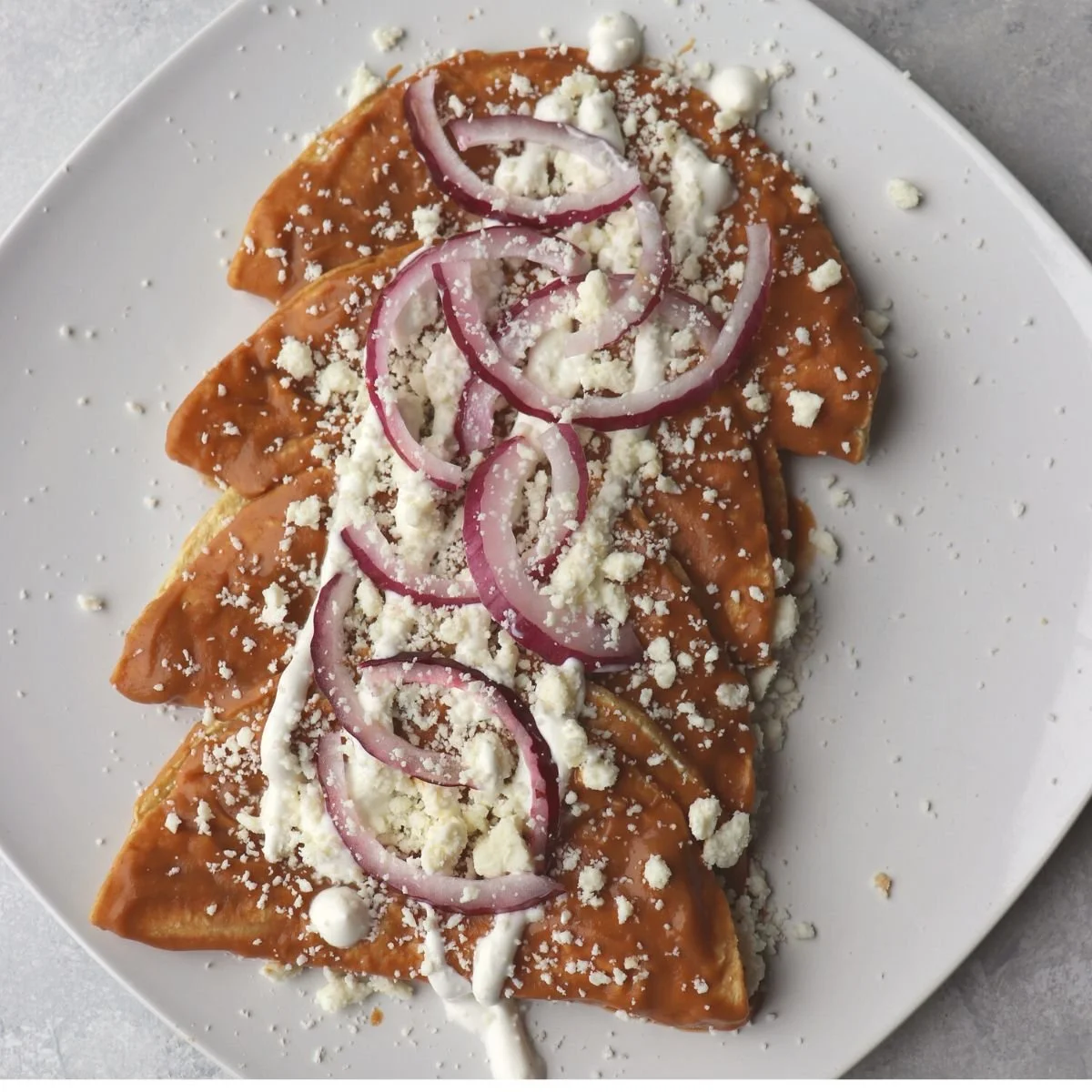
5. Fill and fold. Place a small amount of crumbled queso fresco or shredded Oaxacan cheese in the center of each bean-coated tortilla. Fold in half (like a taco), or fold into quarters (like a handkerchief). Arrange 3 folded enfrijoladas per plate, slightly overlapping. They should look like a tidy row of dark, sauce-coated crescents.
6. Top and serve. Spoon a little extra bean sauce over the folded enfrijoladas. Add a generous drizzle of crema, a scatter of crumbled cotija, and thin rings of white onion. Lay avocado slices alongside. If serving for breakfast, slide a fried egg — cooked so the yolk is still runny — on top of each portion. Finish with fresh cilantro and serve immediately while everything is hot.
Tips, Variations & Substitutions
Use homemade beans for best results
Dried black beans cooked from scratch with a dried avocado leaf, half an onion, and a couple of garlic cloves produce a significantly deeper, more complex sauce than canned. The cooking liquid becomes part of the sauce — don’t discard it. Allow 1.5–2 hours for dried beans, or use an Instant Pot (high pressure, 30 minutes from dried).
Filling variations
• Classic Oaxacan: Fresh cheese only, no meat — the bean sauce is the star.
• Breakfast version: Scrambled eggs with epazote (Mexican herb with a distinctive, wild flavor) make a wonderful filling.
• Chicken: Shredded chicken poached in a mild broth with garlic and onion.
• Mushroom and squash blossom: A beautiful vegetarian option; sauté with garlic and a touch of chipotle.
Heat adjustment
The chipotle adds smoky heat. For a mild sauce, use just half a chipotle pepper or skip it entirely and add a pinch of cumin and smoked paprika instead. For more heat, add chile de árbol — one or two, toasted.
Oaxacan vs. other regional styles
According to Salt & Wind’s culinary research, Oaxacan-style enfrijoladas use black beans and are the original form. Veracruz-style use the same base but are filled with scrambled eggs and chorizo, reflecting the Gulf Coast’s richer, heartier breakfast tradition. Elsewhere in Mexico, you’ll find pinto or bayo bean versions, each with its own color and flavor character.
Where to find ingredients in Texas
• Black beans: Every grocery store in Texas, but Rancho Gordo heirloom black beans (available at Central Market) make a noticeably better sauce.
• Dried avocado leaves: Fiesta Mart, Mi Tienda, and specialty Latin markets in Austin and San Antonio. Also available on Amazon.
• Chipotles en adobo: H-E-B, standard. La Costeña brand is excellent.
• Queso fresco and cotija: Every H-E-B in Texas; Cacique brand is consistently good.
• Mexican crema: Cacique brand at H-E-B.
How to Serve Enfrijoladas
Enfrijoladas are most traditionally a breakfast or brunch dish in Oaxaca, though they work equally well as a weeknight dinner. They’re served hot, assembled at the last moment (the tortillas can become soggy if they sit in sauce too long), and eaten immediately.
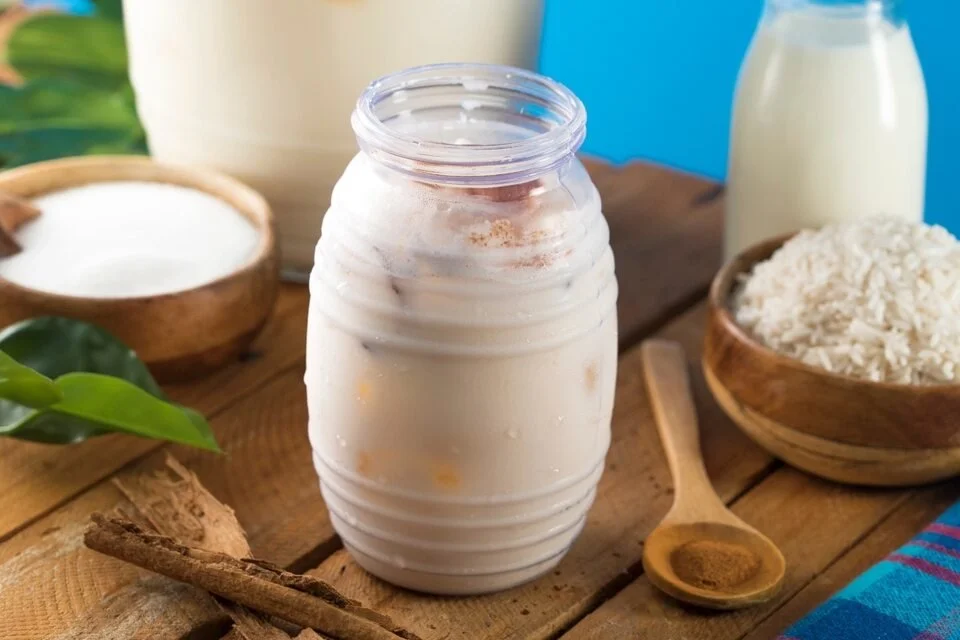
Traditional accompaniments: - A fried or poached egg on top — the runny yolk mixing with the bean sauce is transcendent - Café de olla — Mexican black coffee brewed with cinnamon and piloncillo, the traditional morning drink - Fresh orange juice - A simple green salad with radishes and lime dressing alongside for dinner service
Drink pairings for dinner: - Mezcal with a glass of cool water — the smoky agave echoes the bean sauce beautifully - Agua de jamaica (hibiscus agua fresca) — tart and floral, a beautiful contrast
What to drink: In the morning, café de olla — Mexican black coffee brewed with cinnamon and piloncillo — is the only honest answer. At dinner, a small pour of mezcal alongside cool water mirrors the smokiness of the bean sauce in the most satisfying way.
Plating note: The visual drama of enfrijoladas is the deep black-bean sauce against the white of the cream and cheese. Don’t cover the sauce with too many garnishes. Keep it clean — three or four toppings maximum, applied with intention.
The Story Behind Enfrijoladas
Enfrijoladas belong to a broader family of Mexican tortilla dishes that food writers have aptly called the “-adas” family: enchiladas (in chile sauce), enmoladas (in mole), entomatadas (in tomato sauce), and enfrijoladas (in beans). Each one follows the same ancient logic — corn tortillas as a vehicle, sauce as the soul — reflecting a culinary tradition that stretches back to pre-Columbian Mesoamerica.
According to food historians on Reddit’s Ask Food Historians forum, Oaxaca’s cuisine is considered among the oldest and most intact forms of Mesoamerican cooking, with archaeological evidence suggesting the region has been continuously inhabited since around 11,000 BC. The reliance on corn, beans, chiles, and wild herbs that defines Oaxacan cooking today closely mirrors what pre-colonial peoples ate in those same valleys. Enfrijoladas, in that context, are not a new dish — they’re a form of corn-and-bean cooking that has simply endured, in various iterations, for thousands of years.
The specific Oaxacan preparation — black beans simmered with avocado leaves and garlic, blended to a silky sauce, used to anoint fried tortillas — reflects the region’s distinctive flavor vocabulary. Avocado leaves are uniquely Oaxacan; nowhere else in Mexico are they used as routinely in everyday cooking. The dish is also traditionally made from leftover beans, as the Abuela’s Cuban Counter blog notes: “Enfrijoladas originated in Mexico with a universal problem, leftover food and not wanting any of it to go to waste.” This is the kind of honest, practical genius that defines the best Mexican home cooking.
Frequently Asked Questions
Are enfrijoladas the same as enchiladas? They follow the same format — sauce-bathed corn tortillas, folded or rolled, topped with cheese and cream — but the sauce is fundamentally different. Enchiladas use a chile-based sauce (red or green). Enfrijoladas use a bean-based sauce. The texture is creamier and earthier, and there’s no distinct chile heat unless you add chipotle.
Can I use pinto beans instead of black beans? Yes. Pinto bean enfrijoladas are common in other parts of Mexico outside Oaxaca. The sauce will be lighter in color and slightly milder in flavor. The dish is still excellent. Black beans produce the most visually dramatic result.
What are avocado leaves and do they really matter?Hojas de aguacate (dried avocado leaves) are used in Oaxacan cooking as a flavor herb — they impart a faint, beautiful anise and bay-like fragrance that is impossible to replicate exactly. They genuinely matter for the most authentic Oaxacan flavor. That said, the dish is still delicious without them. Don’t use fresh avocado leaves — the flavor profile is different and they’re not used this way.
Why do I fry the bean sauce in oil? This step — pouring blended sauce into hot oil — is called frying the sauce (freir la salsa) and it’s standard technique in Mexican cooking. The hot oil sears the sauce slightly, intensifying flavors, reducing raw bean taste, and deepening the color. Don’t skip it.
Can enfrijoladas be made ahead? The bean sauce keeps refrigerated for 5 days and freezes for 3 months. The tortillas should be warmed and coated just before serving — they soften and can become soggy if assembled too far in advance. For a dinner party, have everything prepped and assemble to order.
What’s the best filling for enfrijoladas? For breakfast: fresh cheese and a fried egg. For dinner: shredded chicken or sautéed mushrooms with squash blossoms. For the purist Oaxacan version: fresh cheese only. The bean sauce is so flavorful that minimal filling is often best.
Are enfrijoladas spicy? The base recipe without chipotle is not spicy at all — just deeply savory and earthy. Adding chipotle en adobo brings moderate smokiness and heat. You control the spice level entirely.
Where did enfrijoladas appear on the TODAY Show? Enfrijoladas have been gaining recognition in U.S. food media as part of broader coverage of Oaxacan cuisine. A feature in 2025 spotlighted them as an underrated Mexican breakfast dish worth making at home — which they absolutely are.