

Agua de Jamaica Recipe (Step-by-Step Guide)
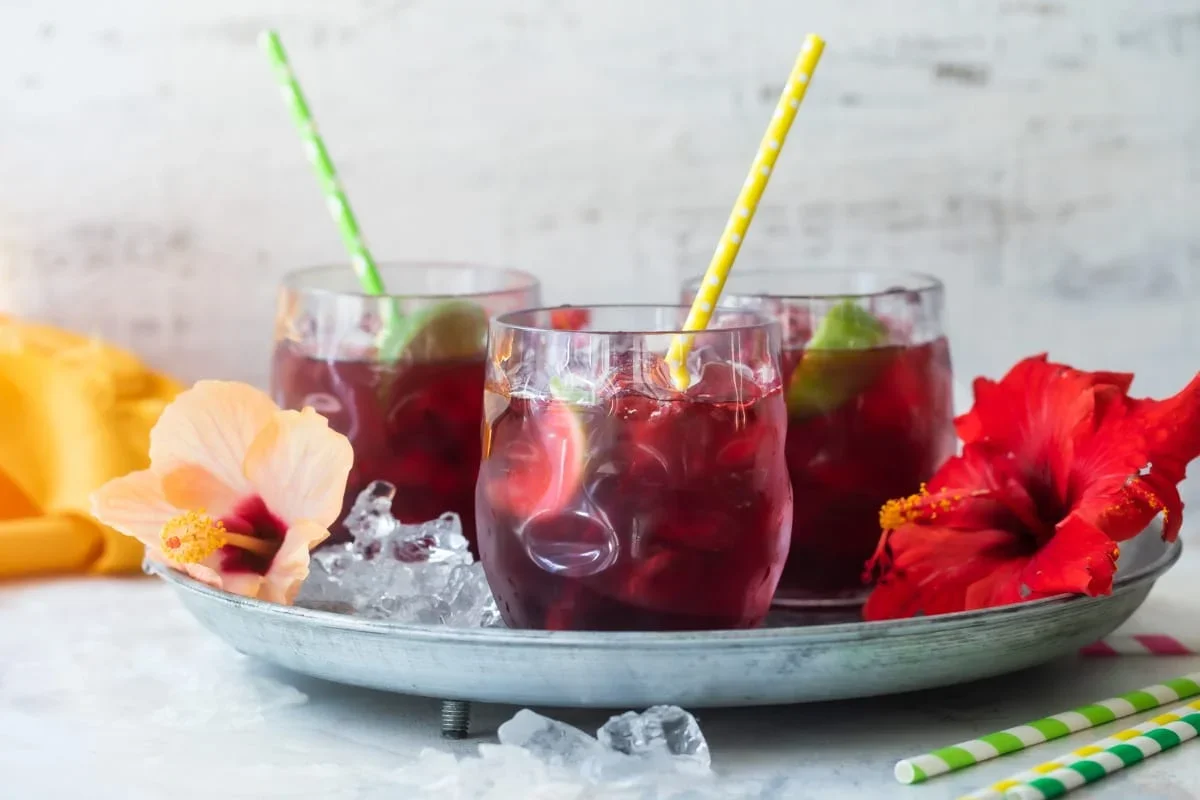
Agua de Jamaica is a chilled hibiscus flower infusion: dried roselle calyces (flor de jamaica — the vivid burgundy petals of Hibiscus sabdariffa) steeped in hot water, sweetened, then diluted with cold water and finished with lime. It is one of the most popular aguas frescas (aguas frescas are Mexico’s beloved fruit-and-flower chilled beverages, distinct from sodas and juices) in Mexico, sold at street stalls, restaurants, and in home kitchens from Tijuana to the Yucatán. Three ingredients. Twenty minutes. Ready.
What makes this version better than any hibiscus tea bag you’ve tried: the whole dried flowers deliver a brightness and floral depth that tea bags simply cannot match, and the fresh lime squeeze at the end takes it from very good to extraordinary. This recipe has become the most-requested thing I bring to summer gatherings in the Hill Country. Once you make it from scratch, the store-bought stuff will never cut it again. Here’s how.
Recipe at a Glance
• Prep time: 5 minutes
• Cook time / Steep time: 15 minutes
• Total time: 20 minutes active + 1 hour chilling (optional but recommended)
• Difficulty: Beginner
• Yield: 8 servings (about 2 quarts / 2 liters)
• Course: Beverage / Agua Fresca
• Region/Origin: Nationwide Mexico; especially prominent in central and southern regions
Ingredients
For the Concentrate
• 1 ½ cups (45 g) dried flor de jamaica (dried hibiscus calyces / roselle flowers)
• 4 cups (950 ml) water, for steeping
• ¾ cup (150 g) granulated sugar — adjust to taste (see substitution notes)
Optional spiced variation additions: - 1 cinnamon stick (canela) - 3–4 whole cloves - A 1-inch piece of fresh ginger, sliced
For Finishing
• 4–6 cups (950 ml–1.4 L) cold water, for diluting
• Juice of 1–2 limes (about 3–4 tablespoons) — the blogger’s essential finishing touch
• Ice, for serving
Key Ingredient Notes
• Where to find flor de jamaica in the U.S.: Latin grocery stores, the Hispanic foods aisle at most H-E-B locations (Texas readers, you already know), Whole Foods, online retailers, or any well-stocked Mexican market. Look for whole, deeply colored burgundy calyces — not fine ground powder. The darker and more vibrant the color, the fresher the flowers.
• Substitution — hibiscus tea bags: In a pinch, 8–10 hibiscus tea bags per quart will work, but the flavor will be noticeably thinner and less complex than whole dried flowers. If you can find the whole flowers, use them.
• Sugar substitutions:Piloncillo (unrefined cane sugar sold in cone or block form at Mexican markets) gives the drink a deeper, slightly molasses-like sweetness that is more traditional and wonderful — use about ½ cup (100 g), broken into pieces. Honey dissolves beautifully when added while the liquid is warm. Agave syrup keeps it vegan and integrates smoothly without heating.
We offer catering services in and around Austin, TX and Texas Hill Country. Inquire HERE.
Step-by-Step Instructions
1. Rinse the flowers. Place the dried jamaica flowers in a fine-mesh strainer and rinse briefly under cool running water. The dry flowers have a faintly earthy, almost cranberry-like smell at this stage — once they hit the hot water, that transforms entirely. This removes any dust or debris from storage and noticeably improves the clean, bright flavor of the finished drink. A small step, but worth it.
2. Bring water to a boil. Pour 4 cups of water into a medium saucepan and bring to a full rolling boil over medium-high heat.
3. Steep the flowers — do not continue boiling. Remove the saucepan from heat. Add the rinsed jamaica flowers (and any spices, if using). Cover with a lid and steep for 10–15 minutes. The liquid will turn a stunning deep crimson — your kitchen will fill with a tart, floral, almost cranberry-like scent that is unmistakably jamaica. Longer steeping yields deeper color and more intense tartness — 15 minutes is my sweet spot. Do not continue to boil the flowers; sustained boiling makes the drink bitter and muddy.
4. Sweeten while hot. Add your sugar (or piloncillo, honey, or agave) directly to the hot concentrate and stir until completely dissolved. Taste the hot concentrate — it should be intensely tart, almost puckering, and very sweet. That’s right. It mellows beautifully once diluted. Taste it — remember this is a very concentrated, quite tart base, so it should taste slightly more sweet than you want the final drink to be. It will mellow considerably once diluted.
5. Strain the concentrate. Set a fine-mesh strainer over a large pitcher (at least 2-quart capacity). Pour the concentrate through, pressing the spent flowers gently with the back of a spoon — they’ll be swollen and deep purple, soft as velvet — to extract every last drop of color and flavor. Discard the flowers — or compost them. I sometimes use them blended into a simple syrup for cocktails.
6. Dilute with cold water. Add 4–6 cups of cold water to the strained concentrate. Start with 4 cups, stir, and taste. If you want a more intense, tarter drink (my preference), stop there. If you prefer something lighter, add the remaining 2 cups. The right dilution is entirely yours to decide.
7. Finish with lime — don’t skip this. Squeeze the juice of 1–2 limes directly into the pitcher. Stir well. Taste again. This single step is the difference between good agua de jamaica and the kind people ask for the recipe. The lime doesn’t make it taste citrusy; it brightens the hibiscus flavor and lifts the whole drink.
8. Chill and serve. Refrigerate until cold, at least 1 hour, or pour directly over plenty of ice for immediate service. Stir well before pouring — the sugar can settle slightly at the bottom. Serve in tall, clear glasses so the color can do its work. The fully chilled drink should smell bright and floral with a clean tartness the moment you lift the glass. ### Critical Technique Tips - Never boil the flowers. Steep only in just-boiled water that has been removed from the heat. Continued boiling = bitterness.
• Calibrate sweetness after dilution. The concentrate will taste intensely sweet — that’s correct. Adjust the final sweetness level after you’ve added all the cold water.
• Make a double batch. The concentrate keeps in the refrigerator for up to 5 days. Store just the concentrate (before diluting), then dilute glasses to order — it’s fresher and more versatile that way.
Tips, Variations & Substitutions
Regional Variations Across Mexico
• Oaxacan warm jamaica: During cold months, agua de jamaica is served hot as a tea in Oaxaca, sweetened with piloncillo and spiced with canela — deeply warming and soothing.
• Yucatán style: Sometimes prepared with a splash of fresh orange juice alongside the lime, giving it a brighter, fruitier finish.
• Mexico City street style: Street vendors often serve it with a chile-salted rim and a dusting of chile piquín or Tajín powder — the sweet-tart-salty-spicy combination is genuinely addictive and one of my favorite warm-weather drinks.
Spice Level & Flavor Adjustments
Jamaica itself has no heat whatsoever. To add a kick, muddle a thin slice of fresh jalapeño or serrano in the glass before pouring, or rim the glass with Tajín. For the sparkling version — very Texas-appropriate — substitute still water with Topo Chico mineral water when filling individual glasses. Do not mix sparkling water into the whole pitcher, or you’ll lose all the fizz.
Texas Sourcing
Flor de jamaica (dried hibiscus calyces) is one of the easiest specialty ingredients to find in Texas — nearly every H-E-B carries it in the Hispanic foods aisle, usually in clear cellophane bags near the dried chiles. Latin markets throughout Austin, San Antonio, and Houston stock it year-round, often in larger quantities and at better prices. Piloncillo (unrefined cane sugar, the most traditional sweetener) is also standard at H-E-B.
Dietary Adaptations
• Naturally vegan, gluten-free, and caffeine-free as written.
• To reduce sugar: cut the quantity by half and use monk fruit sweetener or erythritol. The tartness of jamaica actually masks the absence of sugar better than most drinks — it holds up remarkably well with very little sweetener.
The Cocktail Upgrade
Mix 2 oz of tequila blanco or mezcal with 4 oz of chilled jamaica concentrate (undiluted) over ice for a Jamaica Margarita — finish with a squeeze of lime and a Tajín rim. This has become my signature contribution to every Hill Country backyard gathering.
Serving Suggestions
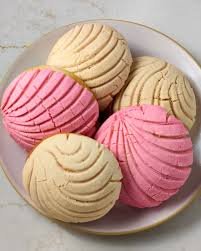
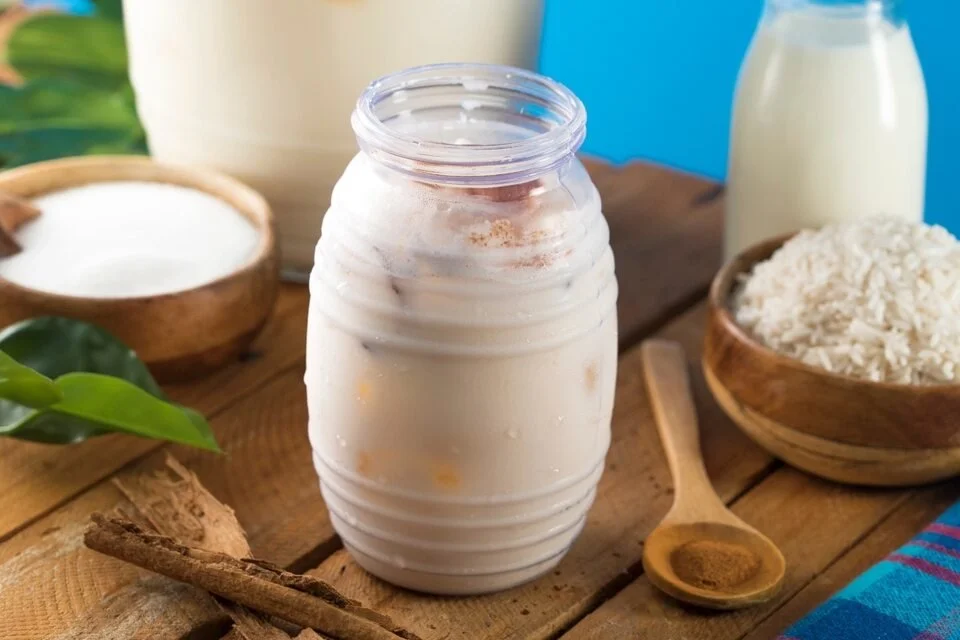
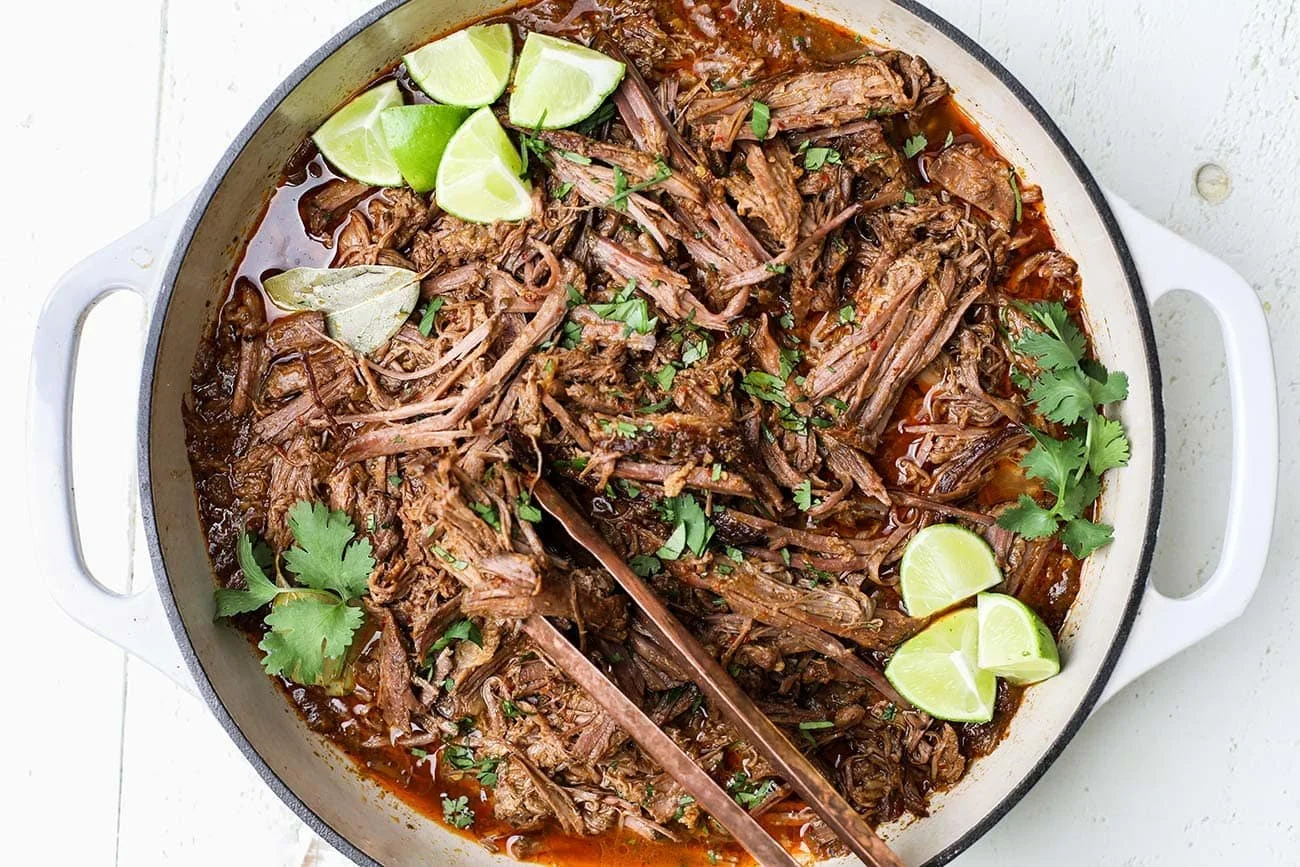
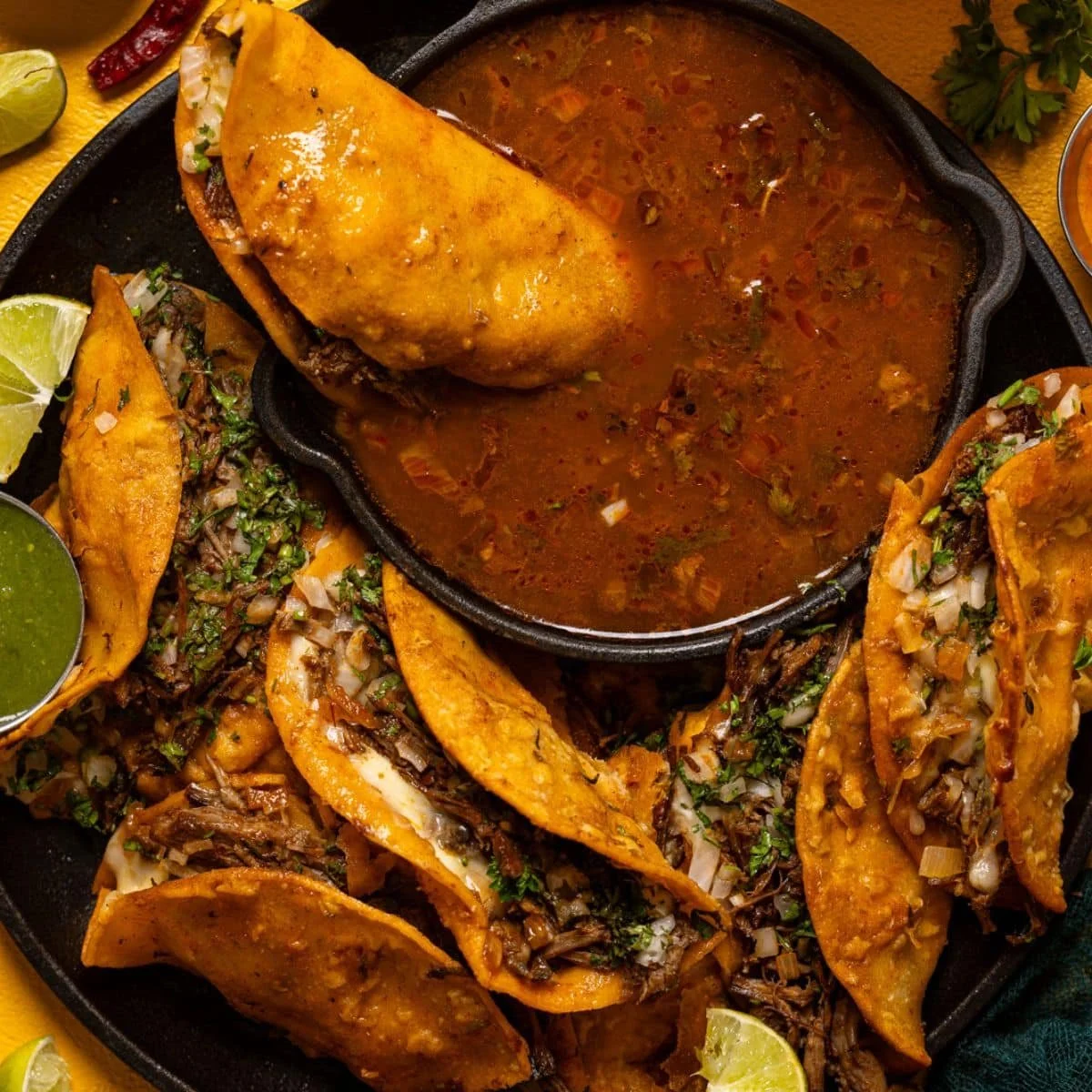
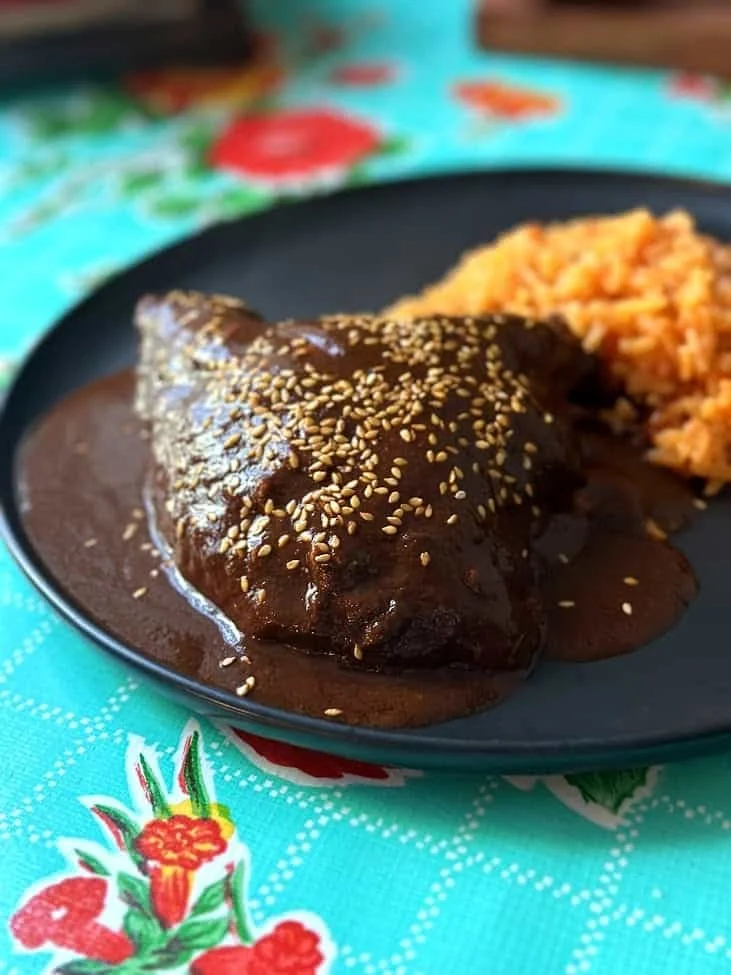
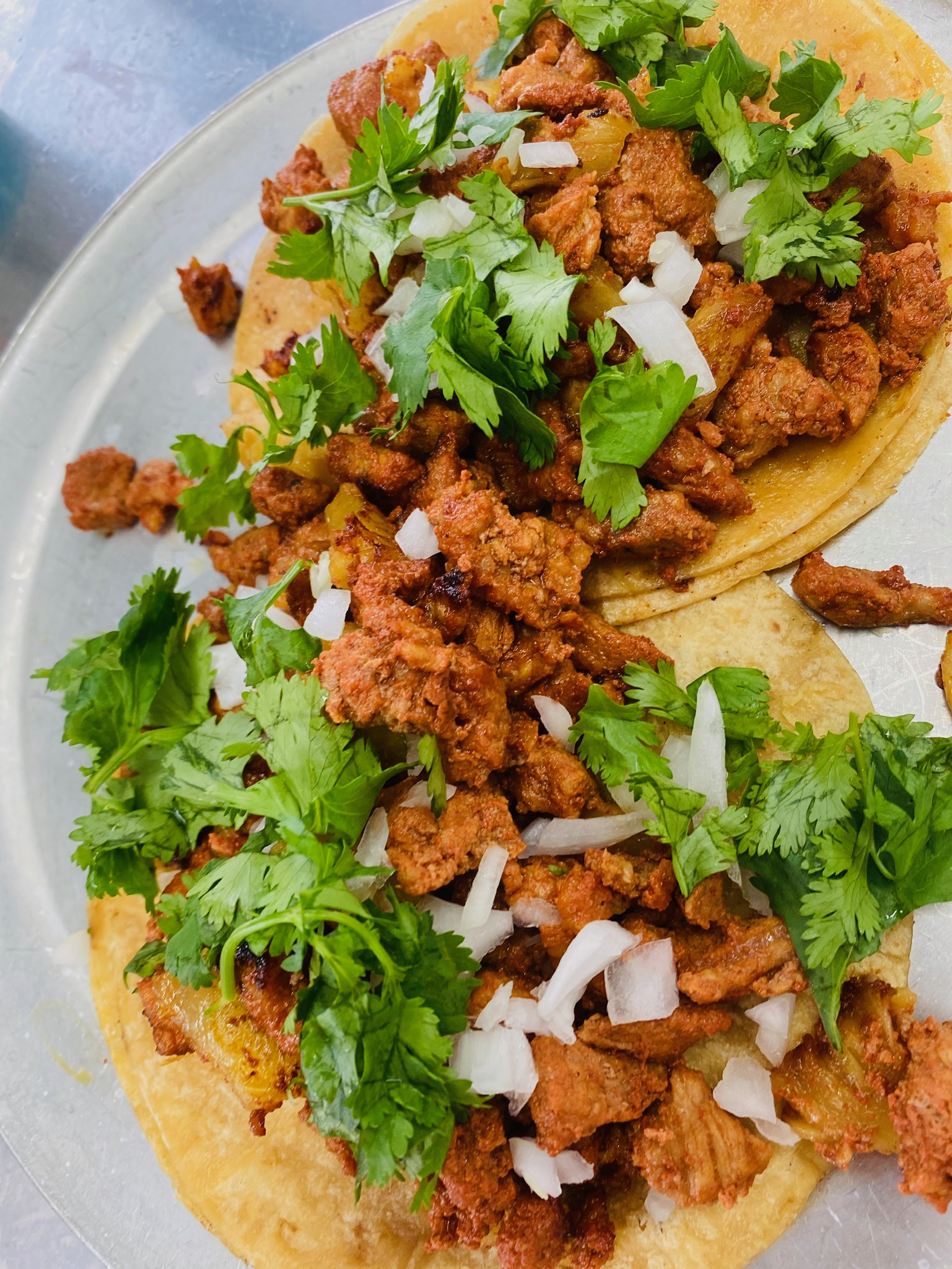
Traditionally, agua de jamaica is the drink at the taquería table — poured alongside tacos al pastor, carnitas, or barbacoa. It is equally at home next to tamales, pozole, or any spread of antojitos (Mexican street snacks). In Texas, it pairs beautifully with carne asada, and the tartness cuts through the richness of any grilled or braised meat. At a full taquería table, jamaica sits next to horchata and tamarindo — the classic three-drink spread that covers every mood, from creamy to tart to sweet.
For presentation: serve in tall, clear glasses — the deep jewel-red color is half the experience, and you want it fully visible. A thin round of lime on the glass rim adds a polished touch with zero effort. For a party, serve in a large glass vitrolero (the classic clear barrel-shaped dispensers you see at Mexican restaurants) — instantly festive, completely authentic. Fresh hibiscus flowers floating in the pitcher, if you can find them, make for a stunning presentation.
Cultural & Historical Notes
The hibiscus plant (Hibiscus sabdariffa) is not native to Mexico. According to the tea and food history resource The Tea File, the most widely accepted theory holds that the plant originated in West Africa and migrated to the West Indies by the 16th century, carried by the transatlantic trade routes. From there it made its way to Mexico, likely arriving via the island of Jamaica — which is how it earned its Mexican name. Other food historians, as Business Insider’s exploration of the hibiscus “red drink” tradition notes, connect the plant’s spread directly to the knowledge of enslaved Africans who carried it across the Atlantic.
Interestingly, Tridge’s report on jamaica flower production in Mexico notes an alternate arrival story: that the plant came via the Nao de China trade route, arriving at the port of Acapulco from the Philippines as early as 1565. Whatever its precise route, once it arrived in Mexico, it adapted completely — becoming so embedded in Mexican culinary culture that most people assume it was always there.
Today, Mexico is one of the world’s leading producers of flor de jamaica, with the state of Guerrero accounting for a remarkable 73.6% of national production as of 2019. Agua de jamaica is a cornerstone of the aguas frescas tradition — that beautiful category of lightly sweetened, water-based drinks made from fruits, grains, and flowers that has existed in Mexico since pre-colonial times (though this particular version is colonial in origin).
In recent years, “hibiscus tea” has exploded as a global wellness trend, celebrated for its antioxidant content and potential cardiovascular benefits. I find this both amusing and satisfying. Mexicans have been drinking this for centuries — not as a health trend, but because it tastes extraordinary. The cultural knowledge was always there, long before the wellness world caught up.
Jamaica appears at Día de los Muertos ofrendas (offering altars) as a traditional beverage for the departed, and is a fixture at posadas, quinceañeras, baptisms, and ordinary Tuesday lunches alike. It is a drink without a specific occasion because it belongs to all of them.
Frequently Asked Questions
Where can I buy flor de jamaica (dried hibiscus flowers) in the United States? Your best bet is any Latin grocery store or Mexican market — in Texas, nearly every H-E-B carries it in the Hispanic foods aisle, typically in clear bags near the dried chiles and spices. Whole Foods and natural food stores often stock it labeled as “dried hibiscus flowers” or “roselle.” It is also widely available on Amazon and from specialty spice retailers. Look for whole, deep burgundy calyces — avoid fine powder, which is not the same product.
How long does agua de jamaica last in the refrigerator? The diluted drink keeps well for about 3–4 days, though the flavor is best within the first 2 days. The undiluted concentrate (before adding the cold water) keeps up to 5–7 days. Stir or shake well before serving — the natural sugars settle. Do not freeze the finished drink, as the texture changes unfavorably.
Can I use hibiscus tea bags instead of whole dried flowers? Yes, in a pinch. Use 8–10 tea bags for each quart of water, steeping for the same 10–15 minutes. The flavor will be noticeably thinner, less floral, and less complex than using whole dried calyces. If you can find the whole flowers (and you really can — they’re widely available), they are always worth the upgrade.
Is agua de jamaica good for you? What are the health benefits? Hibiscus has been studied for its high antioxidant content, particularly anthocyanins (the same compounds that give it that vivid red color). Some studies suggest regular consumption may support healthy blood pressure levels. It is also naturally caffeine-free, low in calories when lightly sweetened, and rich in vitamin C. These benefits are real — but honestly, I drink it because it tastes wonderful, and that’s reason enough.
Why does my agua de jamaica taste bitter — what went wrong? Almost certainly, the flowers were boiled rather than steeped in just-boiled water. Sustained boiling pulls bitter compounds from the calyces that don’t emerge with gentle steeping. Start over: remove the water from heat completely before adding the flowers, cover, and steep. The other common culprit is flowers left steeping for more than 20 minutes — longer than that and bitterness starts to creep in.
Can I make agua de jamaica ahead of time for a party? Absolutely — it’s actually better made ahead. Prepare the concentrate (steps 1–5) up to 5 days in advance and store in a sealed jar in the refrigerator. The day of the party, dilute with cold water and finish with lime juice, then pour over ice or into a vitrolero. This is how most Mexican restaurants and street stalls operate: concentrate made in large batches, diluted to order.