

Huevos Rancheros Recipe (Step-by-Step Guide)
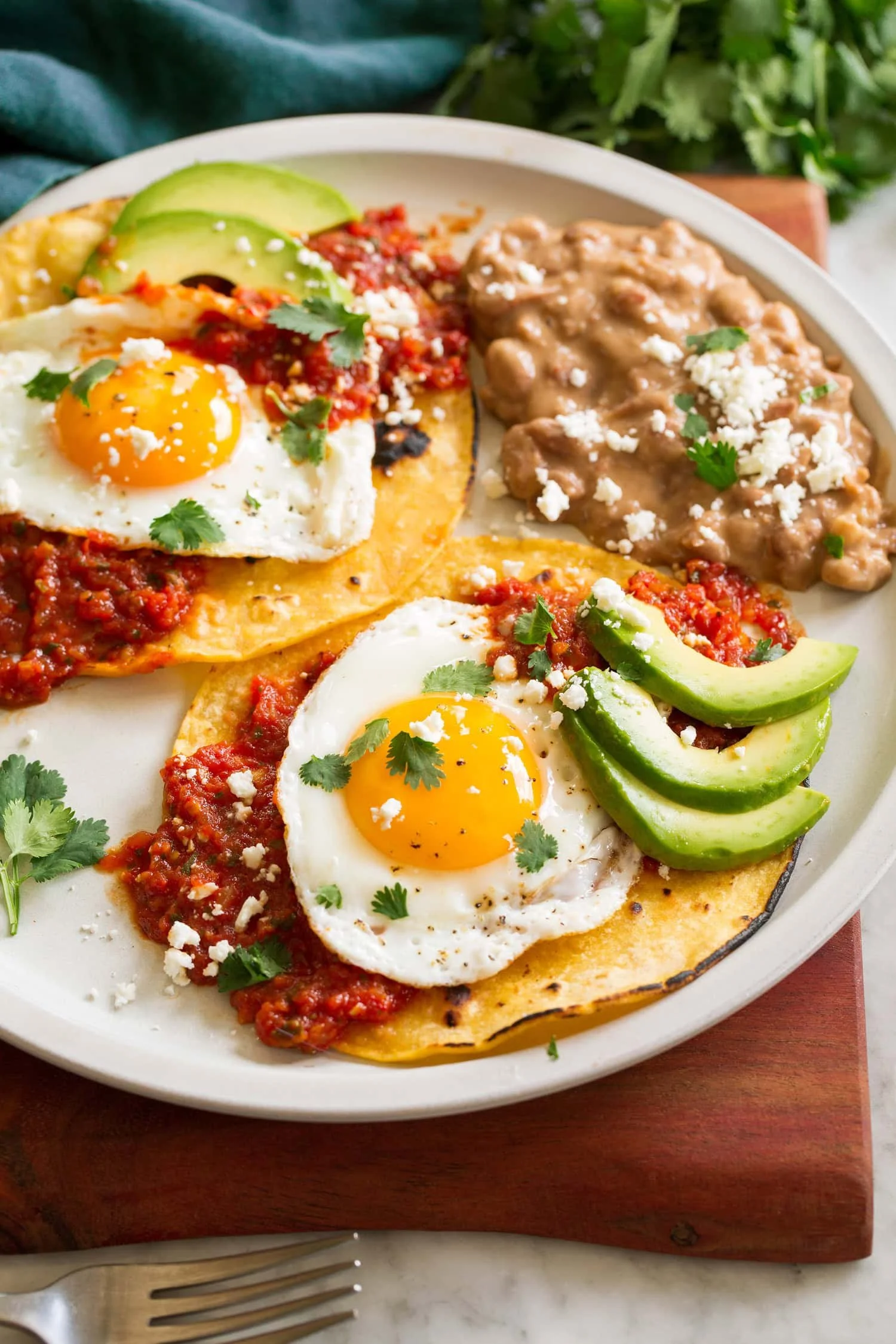
Huevos rancheros — literally “ranch-style eggs” — is one of the most recognizable Mexican breakfast dishes in the United States, and also one of the most misunderstood. The version most Americans have encountered at brunch spots or Tex-Mex chains tends to be a mild, cheese-smothered affair built on a crispy tostada. That’s not wrong, exactly. But it’s a long way from the original: a working-class breakfast born on the ranchos of rural Mexico, designed to fuel a morning of hard labor and built around a sauce that deserves to be the star of the show.
The soul of this dish is salsa ranchera — a chunky, deeply flavored cooked tomato-chile sauce made by charring tomatoes and peppers directly on a dry pan, then frying the blended salsa in hot oil until it darkens and concentrates. That step — frying the salsa — is what separates a homemade huevos rancheros from anything you’ve ever had in a restaurant that reached for a jar. The difference is so significant it’ll make you wonder what else you’ve been settling for.
This recipe is weekday-fast (twenty-five minutes start to finish), uses ingredients you can find at any grocery store, and produces a breakfast that is genuinely, deeply satisfying. Whether you’re making it for yourself on a slow Sunday or feeding a table full of hungry people, this is the dish. Let’s cook.
Recipe at a Glance
• Prep time: 10 minutes
• Cook time: 15 minutes
• Total time: 25 minutes
• Difficulty: Beginner
• Yield: 2 servings (easily scaled)
• Course: Breakfast / Brunch
• Region/Origin: Ranch tradition, Northern and Central Mexico
Ingredients
For the Salsa Ranchera
• 3 roma tomatoes (about 10 oz / 280 g), whole
• 1–2 jalapeños or serrano chiles, whole (see substitution notes)
• 3 garlic cloves, unpeeled
• ¼ white onion, roughly chopped
• 1 tablespoon (15 ml) neutral oil (avocado, vegetable, or lard)
• ½ teaspoon Mexican oregano (or regular dried oregano)
• Salt to taste
• Optional: 1 chipotle pepper in adobo sauce — adds a wonderful smokiness and is highly recommended
For the Eggs and Tortillas
• 4 corn tortillas (6-inch / 15 cm)
• 4 large eggs
• 2–3 tablespoons (30–45 ml) neutral oil, for frying
• Salt to taste
For Serving
• ¼ cup (30 g) crumbled queso fresco or cotija cheese
• ½ ripe avocado, sliced, or a spoonful of guacamole
• 2 tablespoons (30 ml) Mexican crema (substitute: sour cream thinned with a splash of heavy cream)
• Small handful of fresh cilantro leaves
• Refried beans, warmed, for serving alongside
Ingredient notes:
• Corn tortillas: Do not substitute flour. The slightly chewy, earthy bite of a briefly-fried corn tortilla under a runny yolk is non-negotiable. It holds up under the salsa in a way flour simply won’t.
• Salsa ranchera vs. jarred salsa: Jarred salsa is not a substitute here. The difference between a charred, oil-fried homemade salsa ranchera and anything from a jar is enormous. This is the step that makes the dish.
• Cotija vs. queso fresco: Cotija is firmer, saltier, and crumbles like a dry Parmesan. Queso fresco is softer and milder. Both are great here — use whichever you can find at your nearest Latin market, H-E-B, or international grocery.
• Chipotle in adobo: A single chipotle pepper blended into the sauce adds complexity and smokiness that transforms an already-good salsa into something you’ll want to eat with a spoon. Keep the rest of the can in a zip-lock bag in the freezer for future use.
We offer catering services in and around Austin, TX and Texas Hill Country. Inquire HERE.
Step-by-Step Instructions
1. Char the vegetables. Heat a dry cast-iron skillet or comal (flat griddle) over medium-high heat. Add the whole tomatoes, jalapeños, garlic cloves (still in their skin), and onion pieces directly to the dry pan. Don’t add any oil. Cook, turning occasionally, until each piece is deeply blistered and charred on all sides — about 8–10 minutes total. You’ll smell the tomatoes sweeten as they blister and the peppers turn sharp and smoky. The tomatoes should be soft and slightly collapsed; the peppers should have blackened spots. Peel the garlic after charring.
2. Blend the salsa. Transfer all charred vegetables to a blender. If using a chipotle pepper, add it now. Pulse in short bursts until you have a chunky, textured salsa — not a smooth purée. You want visible pieces of charred tomato. This texture is part of the character of the dish.
3. Fry the salsa. Heat 1 tablespoon of oil in a medium skillet over medium-high heat until it shimmers. Pour in the blended salsa all at once — it will hiss and spatter dramatically; stand back. Stir continuously and let the salsa fry in the oil for 3–4 minutes, until it darkens to a deeper red, thickens slightly, and smells incredible. Season with salt and Mexican oregano. Reduce heat to low and keep warm.
4. Fry the tortillas. In a separate skillet, heat a thin layer of oil over medium heat. Add the corn tortillas one at a time and fry for about 20–30 seconds per side. You’re not making tostadas — the goal is a tortilla that is softened, just barely firmed at the edges, and lightly golden. It should flex without cracking. Drain on paper towels.
5. Fry the eggs. Using the same oil (add a touch more if needed), fry eggs over medium heat. Traditional huevos rancheros are sunny-side up with a soft, runny yolk — the whites should be fully set and opaque at the edges while the center of the yolk still jiggles when you shake the pan. Season with a pinch of salt.
6. Assemble and serve. Place two overlapping tortillas on each plate. Lay two eggs on top of the tortillas. Spoon the warm salsa ranchera generously over the eggs and tortillas — let it pool at the edges and flow over the yolks. Top with crumbled queso fresco or cotija, a drizzle of crema, avocado slices, and a few cilantro leaves. Serve immediately alongside warm refried beans. Critical technique tips: - Fry the salsa in hot oil. This sofrito technique — pouring blended salsa into hot oil — is what creates depth and removes the raw edge. Simmer-only salsa will taste flat in comparison.
• Don’t over-blend. The salsa ranchera should have texture. Pieces of charred tomato visible in the finished sauce are a good sign, not a mistake.
• Serve immediately. Ranchero sauce cools fast and fried eggs keep cooking in residual heat. Have your plates warm and your toppings ready before you crack a single egg.
• The tortilla should flex, not snap. If it’s crispy like a chip, it went too long in the oil. You want it soft but structurally sound enough to hold up under the sauce.









Tips, Variations & Substitutions
Texas Sourcing
All the core ingredients for this recipe are staples at Texas H-E-B locations — dried chiles, queso fresco, crema, and cotija are stocked in the Latin foods section. For the best quality chipotle peppers in adobo and a wider variety of dried chiles, Central Market in Austin has an excellent selection, and Latin grocery stores throughout San Antonio and Austin carry everything you’ll need including fresh epazote if you want to try the Oaxacan variation.
Regional Variations
• Northern Mexico: Huevos rancheros is classically served with frijoles charros — whole pinto beans simmered in a brothy, slightly smoky liquid — rather than refried beans. The contrast of a brothy bean alongside the thick salsa is excellent.
• Tex-Mex style: Shredded cheese is often melted over the top, the sauce tends to be milder and thinner, and flour tortillas sometimes appear. A perfectly delicious evolution of the dish, just not the original.
• Oaxacan style: The tortilla is spread with a layer of black bean paste before the egg goes on top. A shred of Oaxacan string cheese (quesillo) is added on top of the egg for good measure.
• Some cooks add epazote — an herbal, slightly medicinal plant used throughout central Mexican cooking — to the salsa during the frying step. If you can find it fresh at a Latin market, a few leaves are worth trying.
Spice Level Adjustments
• Mild: Use a single jalapeño, seeded and deveined before charring. Skip the chipotle.
• Medium: Two jalapeños with seeds, or one serrano, plus a chipotle.
• Hot: Two serranos with seeds plus the chipotle, or add 1–2 dried árbol chiles to the blender.
Dietary Adaptations
• Gluten-free: The recipe as written is naturally gluten-free when made with corn tortillas.
• Vegan: Omit the eggs. Serve the salsa ranchera over crispy tortillas with a generous base of warmed black beans, sliced avocado, and a squeeze of lime. This satisfying plant-based version is sometimes called tortillas rancheras.
How to Serve Huevos Rancheros
What to drink:Café de olla — Mexican coffee brewed with canela and piloncillo — is the traditional pairing, and it is perfect. For something cold, a glass of freshly squeezed orange juice or agua de jamaica balances the heat of the salsa ranchera beautifully.
Traditional huevos rancheros is a complete meal on its own, but here’s how to build it into the full experience:
• Refried pinto or black beans: Either on the side or spread directly on the tortilla before the egg goes on — both work. The beans add richness and balance the acidity of the salsa.
• Fresh orange juice or café de olla:Café de olla is Mexican coffee brewed in a clay pot with cinnamon and piloncillo. It’s the perfect companion to this meal and worth making if you haven’t tried it.
• Sliced avocado: Sliced alongside or spooned as guacamole — adds fat, creaminess, and color.
For plating, stack the tortillas slightly overlapping on the plate to create height. Spoon the salsa so it pools generously around and over the eggs, letting the deep red show at the edges. Then crumble the cheese, drizzle the crema, and add the avocado slices. Photograph before you touch the yolk — the break is the money shot, but it belongs to the person eating, not the camera.
The Story Behind Huevos Rancheros
Huevos rancheros is, at its core, ranch food — rancho food, to be precise. The dish originated as the mid-morning meal (almuerzo) eaten by ranch hands across rural Mexico after their first few hours of hard work, typically between 9 and 11 a.m. It was designed to be sustaining, quick to prepare, and built from whatever was on hand: eggs from the hens, tortillas from the morning’s masa, and a salsa made from chiles and tomatoes growing in the kitchen garden. According to food historians, the dish dates back as far as the 16th century in rural Mexico, gradually making its way from farm country to city restaurants as agricultural workers migrated to urban centers throughout the 20th century.
What makes the dish so beautiful from a culinary history perspective is the way it bridges two entirely different food traditions. The corn tortilla and the chile salsa come directly from pre-Columbian indigenous cooking — both are ancient, foundational elements of Mexican cuisine. The egg and the dairy (crema, cheese) arrived with Spanish colonists in the 16th century. Huevos rancheros is, in this sense, a daily-life illustration of the cultural fusion that defines Mexican food.
The dish gained particular traction in the United States through the large Mexican and Mexican-American communities of Texas, New Mexico, and California — and food historians note that San Antonio, Texas, was an early and enthusiastic adopter. Despite its humble origins, huevos rancheros has appeared on menus at some of the most acclaimed Mexican restaurants in the world. My dad would find that amusing. To him it was just Saturday breakfast.
Frequently Asked Questions
What is the difference between huevos rancheros and Tex-Mex huevos rancheros?
The core components are the same — eggs, tortilla, salsa — but Tex-Mex versions typically use a milder, sometimes thinner red sauce, add shredded cheese melted over the top, and may use flour tortillas. Authentic Mexican-style huevos rancheros uses corn tortillas (lightly fried, not crisped), a chunky charred-tomato salsa ranchera, and keeps the cheese as a crumbled garnish rather than a melted layer. Neither is wrong; they’re just different dishes.
Can I use flour tortillas instead of corn?
You can, but it changes the character of the dish significantly. Corn tortillas hold their structure under a saucy, heavy topping in a way that flour tortillas don’t — they’ll go soft and doughy very quickly. For the authentic experience, use corn. If flour is all you have, briefly warm them in a dry pan rather than frying them in oil.
How do I make the ranchero sauce less spicy?
Use a single jalapeño and remove the seeds and inner white veins before charring — most of the capsaicin lives there. Omit the chipotle. The charred flavor will still come through beautifully from the tomatoes and garlic, just without the heat.
Can I make the salsa ranchera ahead of time?
Yes — and it actually improves overnight. Make the full batch of salsa, let it cool, and refrigerate in an airtight container for up to 5 days. Reheat in a small saucepan over medium heat before serving. The frying step means the salsa holds its flavor well.
What beans go with huevos rancheros?
Refried pinto beans are the most common choice in Mexican-American kitchens. In northern Mexico, frijoles charros (whole pinto beans in a brothy, sometimes bacon-laced liquid) are traditional. Refried black beans work beautifully too and are the choice in Oaxacan variations. Whichever you choose, make sure they’re warm when they hit the plate.
How do I keep the tortillas from getting soggy under the sauce?
Two things: fry the tortillas (even briefly) rather than just warming them, and serve immediately. A briefly fried corn tortilla has a slightly firmed surface that resists the salsa for a few minutes — long enough to eat without a soggy mess. Serving immediately ensures you’re eating at the right moment, before the sauce fully saturates the tortilla. If you’re serving a crowd, hold the fried tortillas in a 200°F (93°C) oven on a rack while you finish the salsa and eggs.

If you’ve been told you have prediabetes or type 2 diabetes and you feel overwhelmed, this ebook is for you. Written in clear, everyday language, Taking Charge of Type 2 Diabetes – Simple Choices, Real Results breaks down what your diagnosis really means and how small, realistic changes can lead to better blood sugar, more energy, and real long-term results.
Inside, you’ll learn how food, movement, stress, and sleep affect your blood sugar, with simple frameworks you can actually use in real life – whether you’re cooking at home, eating out, or juggling a busy schedule. You’ll find practical tips, and mindset shifts that help you stay consistent without feeling deprived.
This ebook is designed to feel like a supportive conversation, not a lecture. You can read it in short sections, highlight what speaks to you, and start applying one small change at a time so you build habits that stick. Whether your goal is to prevent complications, support weight loss, or simply feel more in control of your health, this guide gives you the foundation to take the next step with confidence.