

Enchiladas Recipe (Step-by-Step Guide)
I’ve been chasing that perfect plate of enchiladas ever since, right here from my kitchen in Dripping Springs. This post is a love letter to both worlds — the authentic Mexican technique of dipping fresh corn tortillas in a hand-crafted chile sauce, and the Tex-Mex baked casserole format that so many of us grew up loving. You deserve to know how to make both. But today, I’m going to start with the real thing, and I’m going to give you a homemade red chile sauce that will permanently change what you reach for on a weeknight. Let’s make them.
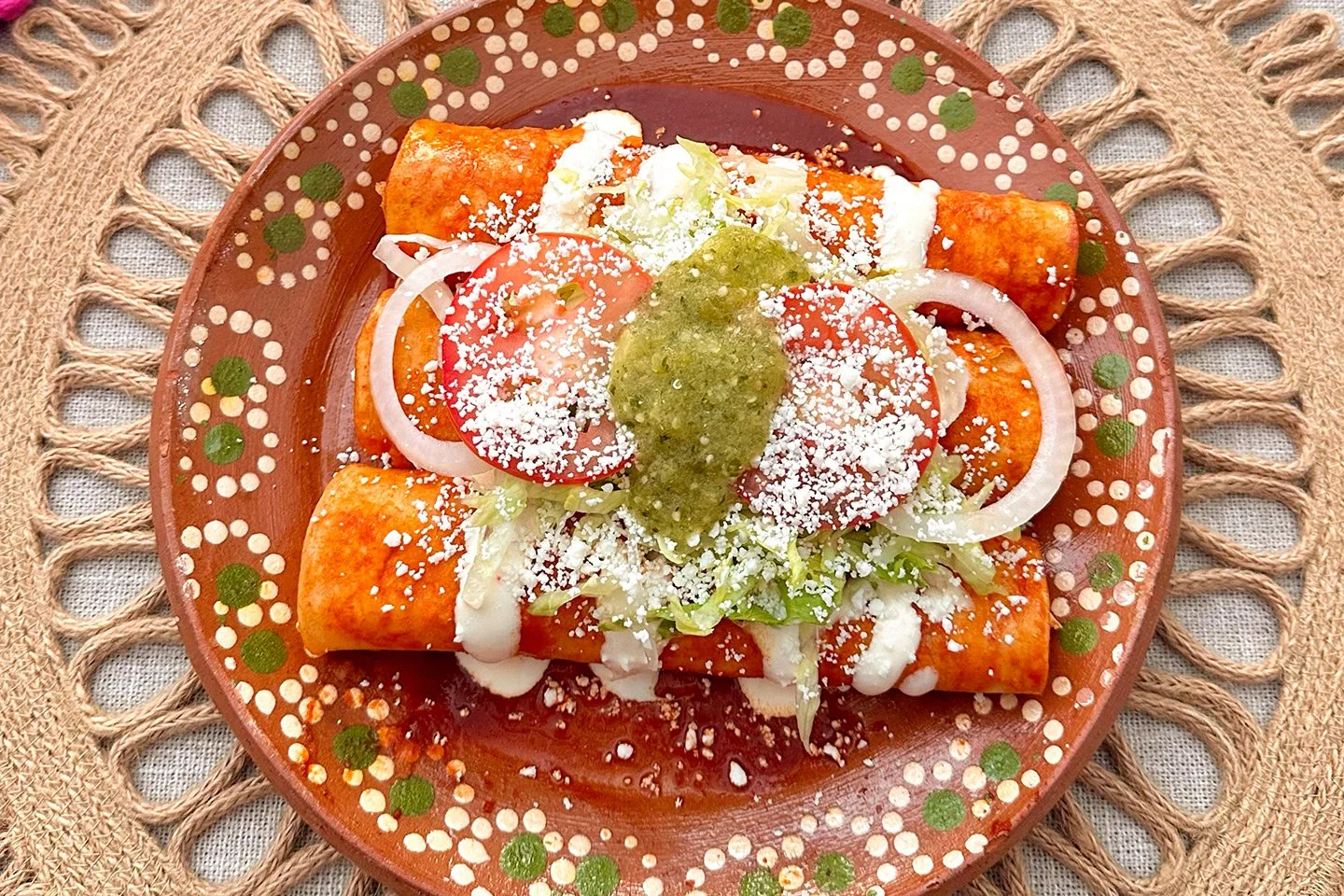
Recipe at a Glance
• Prep time: 15 minutes
• Cook time: 25 minutes
• Total time: 40 minutes
• Difficulty: Beginner
• Yield: 4 servings (12 enchiladas)
• Course: Antojito / Main
• Region/Origin: Nationwide Mexico; distinct regional styles in every state
Ingredients
For the Red Chile Sauce (Salsa Roja)
• 4 dried guajillo chiles (mild, fruity, earthy)
• 2 dried ancho chiles (mild, chocolate-sweet, deep)
• 3 garlic cloves, peeled
• ¼ white onion, roughly chopped
• ½ teaspoon ground cumin
• 1½ cups (355 ml) low-sodium chicken broth (or vegetable broth)
• 1 tablespoon apple cider vinegar
• 1 teaspoon kosher salt, plus more to taste
• 1 tablespoon neutral oil (vegetable or canola)
For the Filling
• 2 cups (about 300 g) shredded cooked chicken — rotisserie is perfect here
• 1 teaspoon of the red chile sauce (to lightly season the filling)
• Salt to taste
Filling variations: Shredded beef barbacoa, sautéed mushrooms and spinach, or seasoned refried black beans all work beautifully. Keep the filling simply seasoned — the sauce is carrying the flavor.
For the Tortillas
• 12 fresh corn tortillas, 6-inch (the best quality you can find)
• 2 tablespoons neutral oil, for warming
Critical note: You must warm these tortillas before dipping. A cold corn tortilla will crack the moment it touches the sauce. This step is non-negotiable.
For Topping
• ¾ cup (90 g) queso fresco, crumbled (or cotija for a saltier bite)
• ¼ cup (60 ml) Mexican crema (or sour cream thinned with a splash of milk)
• ½ white onion, very thinly sliced
• ¼ cup (15 g) fresh cilantro, roughly chopped
• 1 ripe avocado, sliced, or a small bowl of guacamole
We offer catering services in and around Austin, TX and Texas Hill Country. Inquire HERE.
Step-by-Step Instructions
1. Toast and Soak the Chiles. Remove the stems and shake out most of the seeds from the guajillo and ancho chiles. Heat a dry cast-iron or stainless skillet over medium heat. Press each chile flat against the hot surface for about 15–20 seconds per side — you want them fragrant and slightly pliable, not charred. A few dark spots are fine; black and bitter means start over. Transfer the toasted chiles to a bowl and cover completely with boiling water. Let them soak for 20 minutes, until fully softened and swollen.
2. Blend the Sauce. Drain the soaked chiles (reserve ½ cup of the soaking water — it adds depth). Add the chiles to a blender along with the garlic, onion, cumin, broth, vinegar, and salt. Blend on high for 90 seconds until as smooth as possible. Strain through a fine-mesh strainer into a bowl, pressing on the solids to get every drop of sauce out.
3. Fry the Sauce. This step is where most home cooks skip straight to the enchiladas — don’t. Heat 1 tablespoon of oil in a saucepan or skillet over medium-high heat. The moment the oil shimmers, pour in the strained chile sauce. It will hiss and splatter dramatically — this is good. Stir constantly and let it fry for 5–7 minutes, until the sauce darkens slightly in color and thickens to the consistency of a light gravy — it will smell rich and earthy rather than sharp and raw when it’s ready. Taste and adjust salt. Keep warm on the lowest heat setting.
4. Season the Filling. Toss your shredded chicken with a spoonful of the warm sauce and a pinch of salt. The filling should taste good but not overseasoned — the sauce will add the dominant flavor once the enchilada is assembled.
5. Warm the Tortillas. Set a dry skillet over medium heat. Warm each corn tortilla for about 10–15 seconds per side, until pliable and slightly fragrant. Alternatively, brush them very lightly with oil and heat the same way — this creates a thin, protective coating that helps them hold up to the sauce. Stack them under a clean towel to keep warm.
6. Dip the Tortillas in the Sauce. This is the moment that defines an authentic enchilada. Using tongs, dip a warm tortilla into the simmering red sauce, turning to coat both sides. Let the excess drip off for a second or two — the tortilla should be coated, tinted a deep red-orange, but not saturated and dripping. If the sauce is too thick, stir in a splash of broth to loosen it.
7. Fill, Fold, and Plate. Lay the sauce-dipped tortilla flat on a plate. Add about 2–3 tablespoons of the seasoned filling down the center. Fold the tortilla over the filling or roll it loosely, and place it seam-side down on the plate. Repeat with two more tortillas per plate, nestling them together.
8. Sauce the Top. Ladle a spoonful of warm sauce directly over the assembled enchiladas. Not a flood — a generous coat.
9. Add Toppings and Serve Immediately. Scatter queso fresco across the top, drizzle with crema, and lay the sliced white onion and cilantro over everything. Fan avocado slices alongside. Serve immediately — enchiladas wait for no one. > Tex-Mex baked variation: If you prefer the baked casserole style, fill and roll your tortillas in a greased baking dish, ladle sauce over the top, and scatter 1½ cups shredded Monterey Jack or cheddar cheese over everything. Bake at 375°F (190°C) for 20 minutes, then broil for 3–4 minutes to get the cheese golden and bubbling. Completely valid — just a different dish entirely.
Tips, Variations & Substitutions
Texas Sourcing
Dried guajillo and ancho chiles are stocked at most H-E-B locations in the Latin foods or produce section — and Central Market in Austin carries an excellent range of dried chiles and house-made red chile sauce if you want inspiration alongside ingredients. For queso fresco and Mexican crema, any Latin grocery in San Antonio, Austin, or Houston will have fresh local options that beat the national brands.
Regional Variations Worth Knowing
• Enchiladas verdes: The same technique using a bright, tangy tomatillo-serrano green sauce instead of red. Associated with Mexico City and central Mexico; topped with crema and queso fresco.
• Enchiladas suizas: Rolled enchiladas topped with a tomatillo-cream sauce and melted cheese. The name — “Swiss” enchiladas — refers to the generous use of dairy; they’re associated with Sanborns restaurants in Mexico City and are indulgently delicious.
• Enchiladas mineras: A Guanajuato style where enchiladas are served open-face with red sauce and a garnish of carrots, potato, and chorizo. Earthy and rustic.
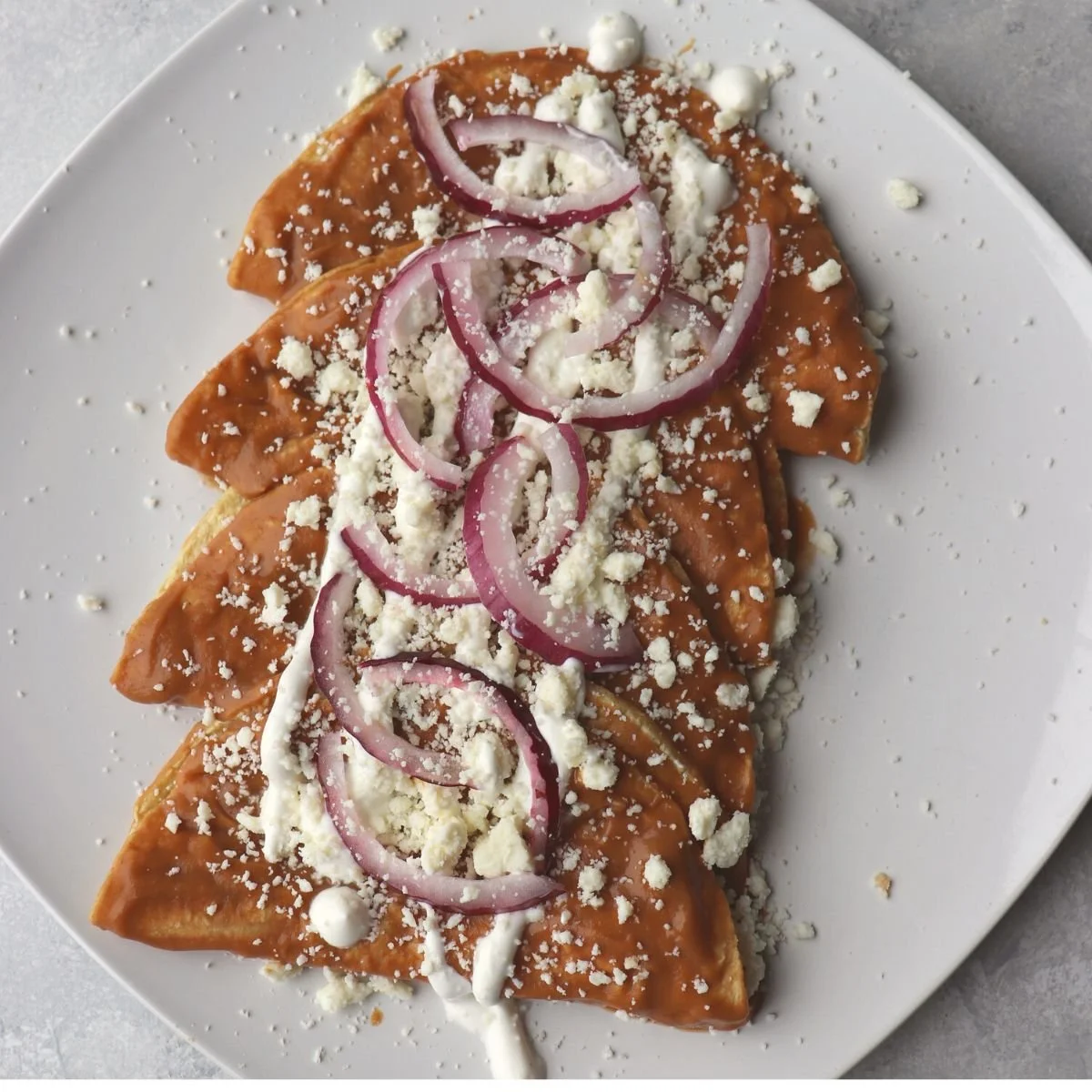
• Enmoladas: Enchiladas dipped in leftover mole poblano instead of chile sauce. If you have mole in the freezer, this is what Sunday morning was made for.
• Enfrijoladas: Dipped in pureed black or pinto bean sauce — simple, earthy, deeply satisfying.
Spice Adjustments
• Mild: Use only ancho chiles (very low heat) and remove all seeds.
• Medium: Guajillo plus ancho, seeds left in the guajillos.
• Hot: Add 2–3 dried chiles de árbol to the sauce blend; serve with pickled jalapeños on the side.
Dietary Adaptations
• Vegetarian: Mushroom-and-cheese filling, or roasted zucchini and black bean.
• Vegan: Mushroom filling; replace crema with cashew crema; skip queso fresco or use a plant-based alternative.
• Gluten-free: Corn tortillas are naturally gluten-free; verify that your broth is as well.
Serving Suggestions
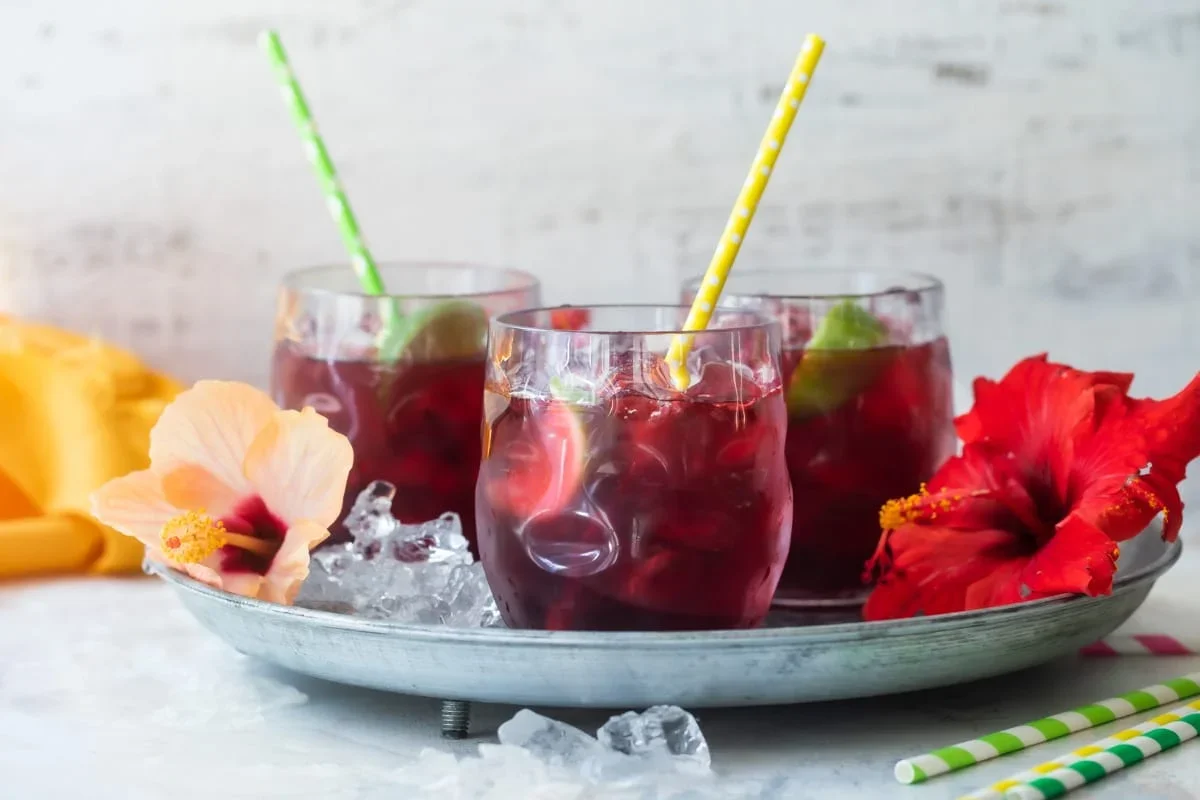
A proper enchilada plate in Mexico comes with three enchiladas, a scoop of arroz rojo (Mexican red rice), and a spoonful of refried beans — either on the side or spread underneath the enchiladas for extra richness. A cold agua fresca or a light Mexican beer finishes the meal.
If you want to serve these the way a Mexico City comedor would, add a fried egg right on top of the enchiladas. The yolk breaks into the sauce and creates something extraordinary. I make them this way on Saturday mornings and consider it one of the great privileges of knowing how to cook.
For a family-style presentation, line a large platter with the enchiladas, sauce them generously, and let everyone scatter their own toppings. Keep extra warm sauce on the side for anyone who wants more.
Cultural & Historical Notes
The concept of coating a tortilla in chile sauce is genuinely ancient. According to food historians, the technique of enchilar — flavoring food with chile — predates Spanish colonization, and the practice of dipping corn tortillas in chile sauce appears in early post-Conquest codices. The first recorded written recipe for enchiladas in Mexican culinary literature appears in the 1831 cookbook El Cocinero Mexicano, formally establishing them in the national culinary canon during the early post-independence period.
The word itself tells you everything: enchilar means to season or coat with chile, and enchilada simply means “chile-coated.” Not baked, not smothered — dipped. The Larousse Gastronomico de México lists dozens of regional enchilada variations, each defined by its local chiles, local cheeses, and local proteins. Enchiladas are, in this sense, a perfect map of Mexican food geography — the same technique, endlessly reinterpreted across thirty-two states and thousands of years of cooking history.
Tex-Mex enchiladas represent a genuinely separate and valid culinary tradition shaped by the intersection of Mexican cooking technique and the ingredient realities of the Texas-Mexico border region in the 19th and 20th centuries. The use of processed cheese, canned sauce, and flour as a thickener reflects what was available to Mexican-American cooks in that era — not a failure of authenticity, but a legitimate adaptation. Both traditions deserve respect. I grew up eating both.
Frequently Asked Questions
What is the difference between authentic Mexican enchiladas and Tex-Mex enchiladas? The core difference is technique and sauce. Authentic Mexican enchiladas involve dipping tortillas in a warm, chile-based sauce and serving them immediately — they are not baked. Tex-Mex enchiladas are typically rolled, covered in cheese, and baked in a casserole dish. The sauces also differ: Mexican enchilada sauces are made from dried chiles blended with broth; Tex-Mex versions often use a roux-thickened chile powder sauce. Neither is wrong — they’re just different dishes that share an ancestor.
How do I keep my corn tortillas from cracking when I roll them? Warm them first. A corn tortilla that goes cold becomes brittle. Heat each one in a dry skillet or brush lightly with oil before warming — the heat and the tiny bit of fat makes the tortilla pliable and cooperative. Work quickly after warming; they cool fast.
Can I make enchiladas ahead of time? The sauce can be made 5 days ahead and refrigerated, or frozen for 3 months. However, assembled enchiladas do not hold well — the sauce softens the tortillas quickly. If you need to prep ahead, have all components ready (sauce warm, filling made, tortillas warmed) and assemble them to order. For a baked Tex-Mex version, assembly a few hours ahead is fine since they’re going into the oven anyway.
What is the best cheese for enchiladas? For authentic Mexican enchiladas: queso fresco (crumbled on top) or Oaxacan cheese (quesillo, for melting into the filling). For Tex-Mex baked: Monterey Jack melts beautifully and has a mild flavor that doesn’t overpower the sauce; sharp cheddar is the classic Tex-Mex choice.
What sauce is best — red, green, or mole? Depends on the filling and your mood. Red sauce (salsa roja) is the most versatile and pairs with chicken, beef, or cheese. Green sauce (salsa verde) is brighter and tangier — perfect with chicken or vegetables. Mole is the most complex and works best with chicken or turkey as a special-occasion dish. Try all three over the course of a month — it’s a delicious education.
Can I use flour tortillas for enchiladas? You can, but it fundamentally changes the dish. Corn tortillas have the flavor and structure that makes an enchilada what it is — the slight chew, the earthiness, the way they absorb the sauce without dissolving. Flour tortillas go limp and gummy quickly in sauce. If that’s all you have, they’ll work, but your enchiladas will taste more like burritos in sauce than actual enchiladas.