

Chilaquiles Recipe (Step-by-Step Guide)
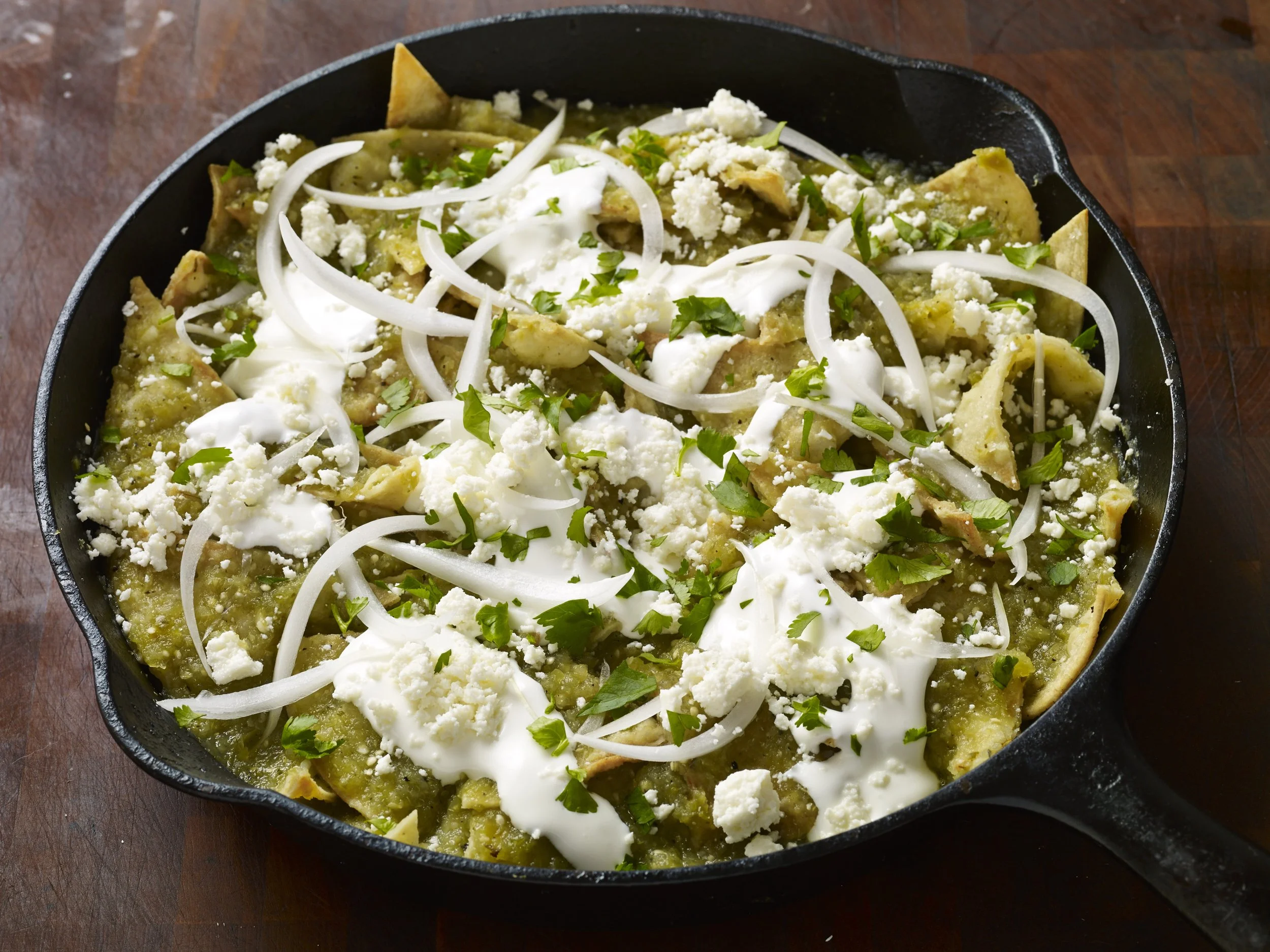
Chilaquiles (pronounced chee-lah-KEE-lehs) are one of Mexico’s most beloved breakfast dishes, and in this house, we eat them year-round. The name comes from the Nahuatl language — the word chīlāquilitl roughly meaning “something covered in chile,” as documented by The Takeout’s food history coverage. The Spanish word was first written in an 1821 recipe book, cementing the dish’s place in the Mexican culinary canon. At their core, chilaquiles are fried corn tortilla chips simmered briefly in salsa — either roja (red, tomato and dried chile based) or verde (green, tomatillo based) — then topped with crema, queso fresco, onion, and whatever protein your heart desires. They are ready in 30 minutes, they use up stale tortillas brilliantly, and they will ruin you for American brunch forever.
Make it once and you’ll understand why. Here’s how.
Recipe at a Glance
• Prep time: 10 minutes
• Cook time: 15–20 minutes
• Total time: 25–30 minutes
• Difficulty: Beginner
• Yield: 4 servings
• Course: Breakfast / Brunch / Antojito
• Region/Origin: Nationwide; roots trace to central Mexico and Nahuatl-speaking cultures
Ingredients
For the Salsa Roja (Red Version)
• 4 Roma tomatoes (about 1 lb / 450 g)
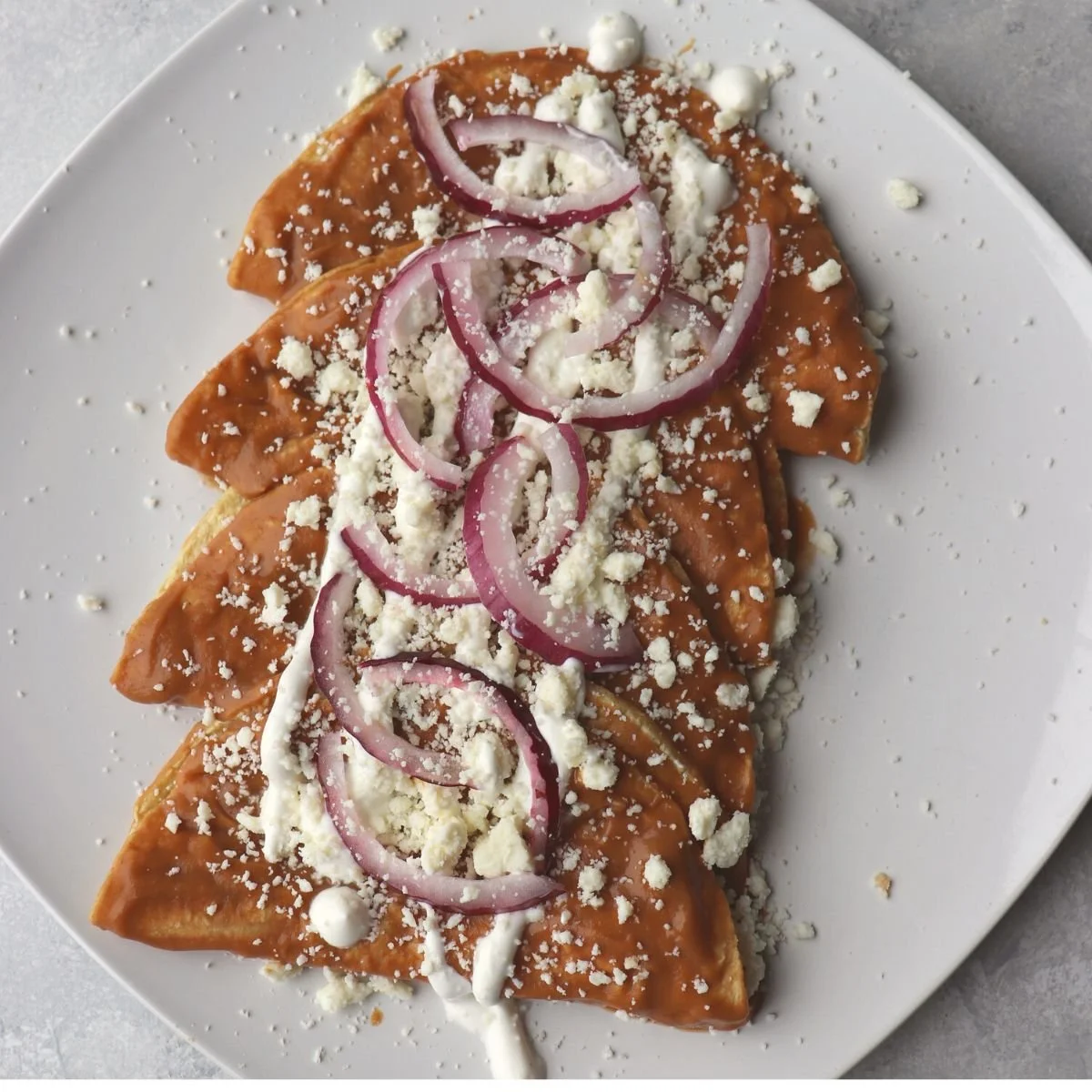
• 3 dried guajillo chiles, stems and seeds removed (low heat, fruity, deep red color)
• 1 dried ancho chile, stem and seed removed (adds smokiness and depth)
• 3 garlic cloves, unpeeled
• ¼ white onion
• 1 cup (240 ml) chicken or vegetable broth
• 1 tablespoon (15 ml) vegetable oil
• Salt to taste
Note: For authentic salsa roja depth, use dried chiles rather than chile powder — the guajillo gives the salsa its signature brick-red color and mild, tangy heat that powder simply cannot replicate.
For the Salsa Verde (Green Version)
• 1 lb (450 g) fresh tomatillos (about 8–10 medium), husked and rinsed
• 2 serrano chiles (or 1 jalapeño for milder heat), stems removed
• 3 garlic cloves
• ¼ white onion
• ½ cup (8 g) fresh cilantro
• 1 cup (240 ml) chicken or vegetable broth
• 1 tablespoon (15 ml) vegetable oil
• Salt to taste
Tip: Tomatillos should feel firm under their papery husk. They’re available fresh at most U.S. grocery stores and are always at Latin markets.
For the Chips
• 12 corn tortillas (day-old preferred), cut into quarters
• Vegetable oil for frying (about ½ inch / 1.2 cm in the pan)
• Kosher salt
OR 4 cups (about 4 oz / 115 g) thick restaurant-style tortilla chips
Substitution: In a pinch, thick tortilla chips from the store work — but avoid the thin, delicate kind, which disintegrate the moment salsa touches them. Day-old tortillas fried at home hold their texture best.
For Toppings
• ½ cup (120 ml) Mexican crema(or sour cream thinned with a squeeze of lime juice)
• ½ cup (60 g) queso fresco, crumbled
• ¼ white onion, thinly sliced into rings
• Fresh cilantro leaves
• 1 avocado, sliced, or a spoonful of guacamole
• Optional proteins: 2 cups (about 300 g) shredded cooked chicken, 4 fried eggs (one per serving), or shredded carnitas
We offer catering services in and around Austin, TX and Texas Hill Country. Inquire HERE.
Step-by-Step Instructions
1. Make the salsa. For roja: Place tomatoes, chiles, garlic, and onion under the broiler on a foil-lined baking sheet. Broil 8–10 minutes, turning once, until charred and blistered — the tomatoes should have collapsed and smell sweetly smoky, and the chiles should be fragrant rather than sharp-bitter. Alternatively, char them directly in a dry cast-iron skillet over high heat, turning occasionally, until blackened on all sides. Transfer to a blender with the broth and blend smooth. For verde: Do the same with tomatillos, serrano, garlic, and onion — broil or char until blistered. Blend with cilantro and broth until smooth.
2. Fry the salsa — this step is everything. Heat 1 tablespoon oil in a wide, deep skillet over medium-high heat. When the oil shimmers, carefully pour in the blended salsa — it will splatter, so step back and have a lid nearby. Stir constantly and cook 5–7 minutes until the salsa darkens in color, thickens slightly, and the raw edge mellows into something rich and savory. This technique — sofreír (frying the sauce in oil) — is non-negotiable. It concentrates the flavors and removes the harsh raw taste from the tomatoes or tomatillos.
3. Fry the tortilla chips (if making from scratch). Heat ½ inch of vegetable oil in a separate skillet to 350°F (175°C). Fry quartered day-old tortillas in small batches 2–3 minutes until golden and crisp. Drain on paper towels and salt immediately while hot. Work quickly — you want them out and salted before they cool.
4. Season and thin the salsa. Taste the fried salsa and adjust salt. It should coat a spoon but pour easily — if it’s too thick, add a splash more broth and stir through.
5. Add the chips. Reduce heat to medium-low. Add all the chips to the bubbling salsa at once. Fold gently with a spatula or tongs to coat every chip — you’ll hear the sizzle settle as the chips absorb the salsa, and the color of the pan will shift from bright red-orange to a deeper, earthier brick. Work carefully, not aggressively, so the chips stay mostly intact.
6. Cook to your preferred texture. This is the most personal part of chilaquiles:
– Firmer chips (more textural contrast): fold and immediately plate after 60–90 seconds.
– Softer, more traditional texture: let the chips absorb the salsa for 2–3 minutes, stirring gently once. Watch carefully — the line between perfecto and mush moves fast.
7. Plate immediately. Chilaquiles wait for no one. The moment they hit the right texture, they go on the plate.
8. Add toppings and serve. Drizzle crema in a zigzag. Scatter queso fresco, onion rings, cilantro, and avocado. Add your protein of choice. Serve hot.
Critical Technique Tips
• Always fry the salsa first. Pouring raw blended salsa directly over chips produces a muddy, harsh-tasting dish. The frying step caramelizes the sugars and deepens every flavor.
• Don’t let chips sit off-heat. Carryover cooking continues in the residual heat of the skillet even after you turn off the burner. Serve directly from stove to plate.
• Use day-old or stale tortillas for homemade chips. Fresh tortillas absorb oil during frying; day-old ones fry drier and crispier, which means they hold their texture longer in the salsa.
Tips, Variations & Substitutions
Texas Sourcing
For the freshest tomatillos and dried guajillo chiles, check your nearest H-E-B Latin foods section or any Latin market in Austin or San Antonio. Central Market carries both the dried chiles and excellent fresh tomatillos, and several Austin-area stores keep a wide selection of dried chile varieties alongside good-quality queso fresco and crema.
Regional Variations
• Mexico City style: Topped with a fried egg (sunny-side up) and shredded chicken; eaten for breakfast or almuerzo (the late-morning meal).
• Guadalajara (Jalisco): Sometimes served with a cup of birria consommé on the side — dip your tostada in it between bites. A revelation.
• Chilaquiles divorciados: Half the plate gets salsa roja, the other half salsa verde, divided by a strip of toppings down the center. Visually stunning and a crowd-pleaser at any brunch table.
• Oaxacan influence: Black bean paste spread on the plate before the chips go on — it adds a creamy, earthy base layer to every bite.
Spice Level Adjustments
• Mild: Use only guajillo chiles (seed completely); omit serrano entirely from the verde.
• Medium: The recipe as written.
• Hot: Add 2–3 dried chiles de árbol to the roja blend; add an extra serrano to the verde; finish with a drizzle of chile oil on the plated dish.
Dietary Adaptations
• Vegetarian: Use vegetable broth; top with a fried egg instead of chicken.
• Vegan: Skip crema and queso fresco; substitute cashew crema (blended soaked cashews + lime juice + salt) and vegan cotija or nutritional yeast.
• Gluten-free: Naturally gluten-free as long as you use corn tortillas or certified GF chips.
How to Serve Chilaquiles
What to drink:Chilaquiles pair naturally with café de olla (Mexican cinnamon coffee brewed in a clay pot) for a classic breakfast, or with freshly squeezed orange juice. For a late-morning brunch version, a cold agua de jamaica (hibiscus iced tea) alongside cuts right through the richness of the salsa and crema.
Traditional accompaniments: - Refried black or pinto beans — served on the side or spread on the plate beneath the chips - Mexican red rice for a heartier plate - Café de olla (Mexican spiced black coffee with cinnamon) or fresh-squeezed orange juice - Sliced mango or papaya for a fresh, sweet contrast
Plating notes: - Use a wide, shallow bowl or a deep plate — toppings need room and won’t slide off. - Drizzle crema in a zigzag and arrange toppings in distinct sections for a restaurant-worthy presentation. - A perfectly fried egg placed in the center of the plate turns a simple breakfast into a proper brunch centerpiece. - Serve at the table immediately after plating — this dish does not wait.
The Story Behind Chilaquiles
As Secret Food Tours notes in their history of chilaquiles, this dish traces its roots directly to the Aztec reliance on maize as a sacred, central food. Corn tortillas were not just a staple — they were culturally inviolable. Letting them go stale and useless was unthinkable. Simmering leftover tortillas in chile-based broths was an act of ingenuity and respect, transforming yesterday’s staple into today’s meal.
The word chilaquiles comes from the Nahuatl language — chīlāquilitl, meaning roughly “something covered in chile.” As The Takeout’s food history piece notes, the Nahuatl word was first documented in 1571 by a Spanish priest, and the Spanish word “chilaquiles” appeared in an 1821 recipe book describing fried tortillas in a chile-tomato sauce. By 1831, three distinct types of chilaquiles were referenced in the cookbook El Cocinero Mexicano, confirming the dish’s full establishment in the Mexican culinary canon.
The Spanish colonizers introduced dairy — cream, cheese — and new proteins like chicken. These additions enriched the dish without displacing its essential character. Chilaquiles remained what they had always been: resourceful, corn-based, and deeply flavorful. They represent a food philosophy I admire deeply — nothing wasted, every ingredient honored, humble food elevated by care and technique.
Today, chilaquiles are having a genuine moment in U.S. brunch culture, appearing on menus from Austin to New York. But the real thing, made from scratch with a homemade salsa and tortillas you fried yourself, is in a different category entirely. This is the dish my abuela made, and now I hope you’ll make it too.
Frequently Asked Questions
What is the difference between chilaquiles rojos and chilaquiles verdes? The difference is the salsa. Rojos use a sauce based on dried red chiles (guajillo, ancho) and tomatoes — it’s earthy, slightly smoky, and rich. Verdes use tomatillos, fresh chiles (serrano or jalapeño), and cilantro — it’s brighter, tangier, and more herbaceous. Both are equally traditional. If you can’t choose, make divorciados and have both on the same plate.
Can I use store-bought tortilla chips instead of frying my own? Yes — use thick, restaurant-style chips only. Thin chips will dissolve the moment they hit hot salsa. Look for thicker rounds or triangles labeled “restaurant style.” Homemade chips will always hold better, but a good store-bought chip is a perfectly acceptable shortcut.
How do I keep chilaquiles from getting soggy? Two things: fry the salsa (it thickens it so it coats rather than drowns the chips), and don’t let the chips sit in the salsa off-heat. The chips should go in, get coated, and go directly on the plate. If you’re cooking for a crowd and need to stage the dish, undercook them slightly — they’ll continue softening on the plate.
What protein goes best with chilaquiles? Shredded chicken is the most classic. Fried or scrambled eggs are equally traditional and more common in home kitchens. Pulled carnitas or shredded birria add richness. Chorizo (fried and crumbled) is excellent in the roja version. For vegetarians, the fried egg is the move every time.
Can I make the salsa ahead of time? Yes — the salsa can be made up to 5 days ahead and stored in the refrigerator, or frozen for up to 3 months. Reheat it in a skillet with a splash of broth before adding the chips. This makes chilaquiles a genuinely fast weekday breakfast.
Are chilaquiles the same as nachos or migas? No, and the differences matter. Nachos are topped chips — the chips don’t cook in the sauce. Migas (a Tex-Mex staple) are torn tortilla pieces scrambled into eggs. Chilaquiles are chips simmered directly in a cooked salsa until they absorb it and become something entirely different — softer, more integrated, more complex. They are a distinct dish with their own technique, history, and identity.