

Birria Recipe (Step-by-Step Guide)
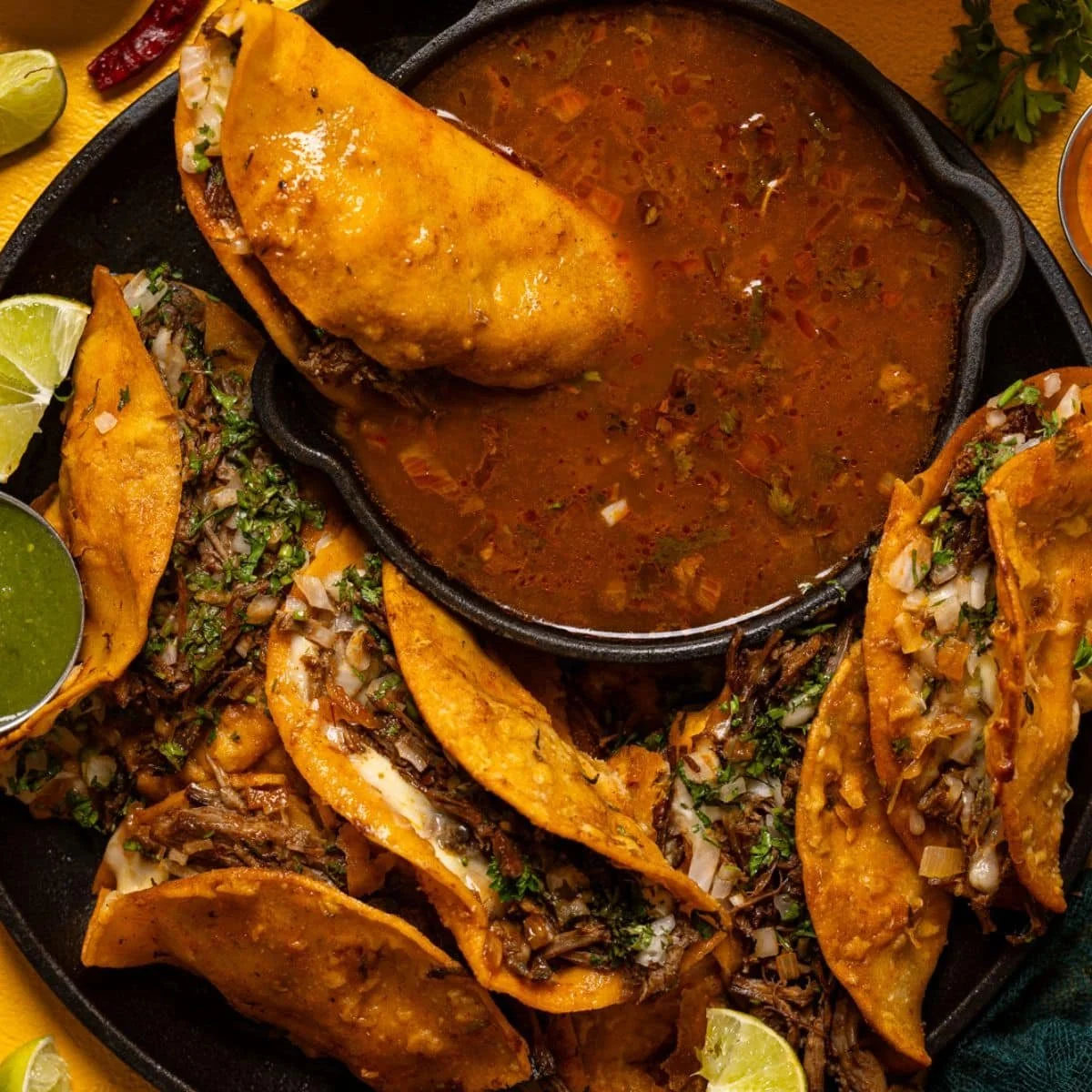
Birria is a slow-braised meat stew from the state of Jalisco, built on a complex dried-chile sauce and cooked low and long until the meat is falling-apart tender and the broth has reduced to a deep, glossy, brick-red consommé. The consommé is not a side effect — it is as important as the meat. And in the quesabirria taco format that exploded in popularity around 2020, that consommé fat becomes the cooking medium for the tortillas themselves, giving them their famous crimson color and shattering crispness.
This is a weekend project. It asks patience. But birria rewards patience in a way that few dishes can match — and the leftovers, if you have any, are arguably better on day two. Let’s build it.
Recipe at a Glance
• Prep time: 30 minutes (plus 1–2 hours marinating, optional but recommended)
• Cook time: 3–4 hours stovetop/oven, or 8 hours slow cooker
• Total time: 4–5 hours active
• Difficulty: Intermediate
• Yield: 8–10 servings
• Course: Soup / Stew / Taco filling
• Region/Origin: Jalisco (Guadalajara), Mexico
Ingredients
For the Chile Sauce (Marinade & Broth Base)
• 5 dried guajillo chiles, stems and seeds removed
• 2 dried ancho chiles, stems and seeds removed
• 3–5 dried árbol chiles, stems removed (adjust for heat preference)
• 4 roma tomatoes, halved
• ½ white onion, quartered
• 6 garlic cloves, unpeeled
• 1 inch (2.5 cm) stick of Mexican cinnamon (canela) — sub: ¼ tsp Ceylon cinnamon, not Vietnamese
• 4 whole cloves
• 1 teaspoon (3 g) black peppercorns
• 1 teaspoon (3 g) ground cumin
• 1 teaspoon (1 g) dried thyme
• 1 tablespoon (3 g) Mexican oregano
• 2 tablespoons (30 ml) apple cider vinegar
• 1–2 cups (240–480 ml) chile soaking water, reserved
For the Meat
• 3 lbs (1.4 kg) beef chuck roast, cut into 3-inch pieces (bone-in preferred)
• 1 lb (450 g) beef short ribs or oxtail (optional, but adds collagen for a richer consommé)
• Kosher salt, generously
• Traditional alternative: Bone-in goat (chivo) — available at Mexican, halal, or Caribbean butchers; gamier and leaner than beef, but the most authentic choice
For the Broth
• 4 cups (960 ml) beef broth or water
• 3 bay leaves
For Quesabirria Tacos
• 12 small corn tortillas (4–5 inch / 10–13 cm)
• 8 oz (225 g) Oaxacan string cheese (quesillo), pulled apart — sub: Chihuahua cheese or low-moisture mozzarella
• The reserved fat from the top of the consommé
For Serving
• Diced white onion
• Chopped fresh cilantro
• Lime wedges
• Small cups of hot consommé for dipping
• Salsa de árbol (a punchy dried-chile hot sauce)
Ingredient notes:
• Guajillo chiles: The backbone of birria’s color and flavor — mild, fruity, and deeply red. Always toast and rehydrate before blending; this is not optional.
• Bone-in meat: The bones release collagen into the broth as they cook, creating the thick, glossy consommé that makes quesabirria dipping transcendent. Don’t skip the bones if you can help it.
• Mexican cinnamon (canela): Softer and more delicate than the harder Ceylon or Vietnamese varieties sold in most U.S. grocery stores. Use a 1-inch stick; it’s subtle but unmistakable. Find it at any Latin market. Sub: a very small amount of regular cinnamon — use less, it’s stronger.
• Goat meat: If you want the fully traditional experience, Mexican, halal, or Caribbean butchers often stock it. The flavor is gamier and leaner than beef. Ask for bone-in pieces.
We offer catering services in and around Austin, TX and Texas Hill Country. Inquire HERE.
Step-by-Step Instructions
1. Toast and soak the chiles. Heat a dry skillet or comal over medium heat. Working in batches, press each dried chile flat against the hot surface for about 20 seconds per side until fragrant and just beginning to darken — you’ll smell a toasty, almost chocolaty aroma. Do not burn them; bitter chiles ruin the sauce. Place toasted chiles in a bowl, cover with boiling water, and soak for 20 minutes until completely softened. Reserve the soaking liquid.
2. Char the vegetables. On the same dry skillet, char the tomatoes, quartered onion, and unpeeled garlic until blistered and slightly blackened on all sides, about 8–10 minutes. Peel the garlic cloves after charring.
3. Blend the chile sauce. Drain the soaked chiles. Add them to a blender along with the charred tomatoes, onion, and garlic, all the spices, the apple cider vinegar, and 1 cup of the chile soaking water. Blend on high for 2 full minutes until very smooth and deep red. Add more soaking water if needed to help the blender move. Taste and add salt.
4. Season and marinate the beef. Season the beef pieces aggressively on all sides with kosher salt. Pour half the chile sauce over the meat in a large bowl or baking dish and toss to coat completely. If time allows, cover and refrigerate for 1–2 hours (or overnight). The marinade deepens the flavor significantly.
5. Sear the beef. Heat a large Dutch oven over high heat with a thin film of oil. Sear the beef in batches — do not crowd the pot — until deeply browned on all sides, about 3–4 minutes per side. You want a hard, dark-mahogany crust and the smell of properly caramelized beef — not gray steamed meat. This step is non-negotiable for flavor. Remove seared beef and set aside.
6. Build the braise. Pour the remaining chile sauce into the Dutch oven, scraping up the browned bits from the bottom. Add the seared beef back in. Pour in enough beef broth to just cover the meat. Add the bay leaves. Bring to a boil, skimming any foam that rises to the surface.
7. Braise low and slow. Reduce heat to the lowest setting, cover, and braise for 3–4 hours until the meat is completely tender and shreds with almost no effort. The broth should smell deeply savory and spiced — smoky chile, warm cinnamon, earthy tomato — and the color in the pot will deepen to a rich brick-red as it cooks. Alternatively: slow cooker on low for 8 hours, or Instant Pot on manual high pressure for 50 minutes with a natural release.
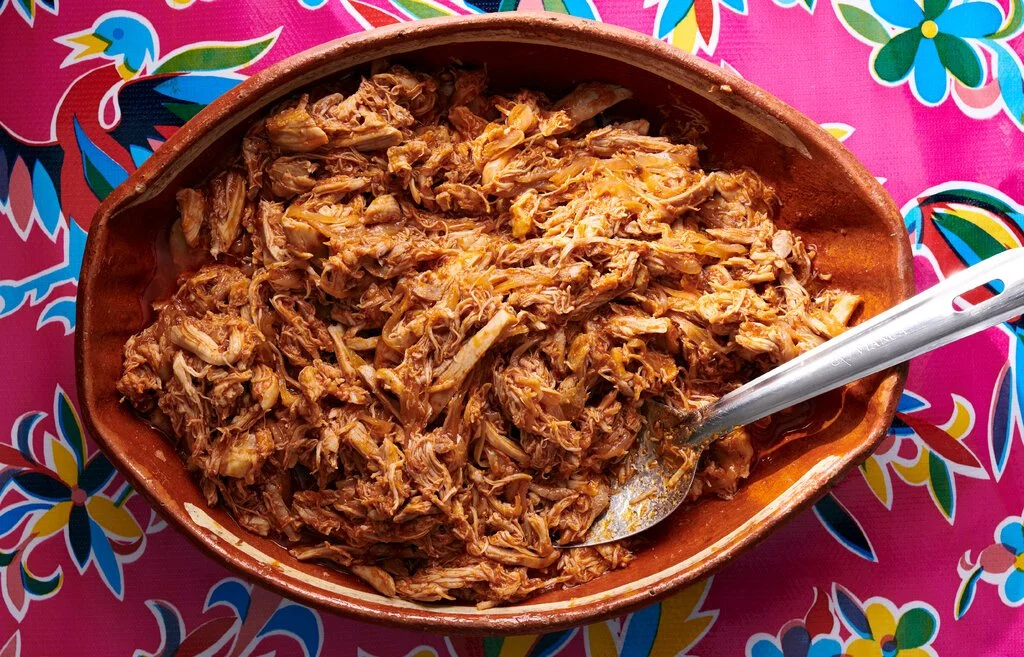
8. Shred and finish. Remove the beef and shred with two forks. Season the consommé, strain if desired, and skim the fat from the surface — but save the fat in a small bowl. You need it for the tacos.
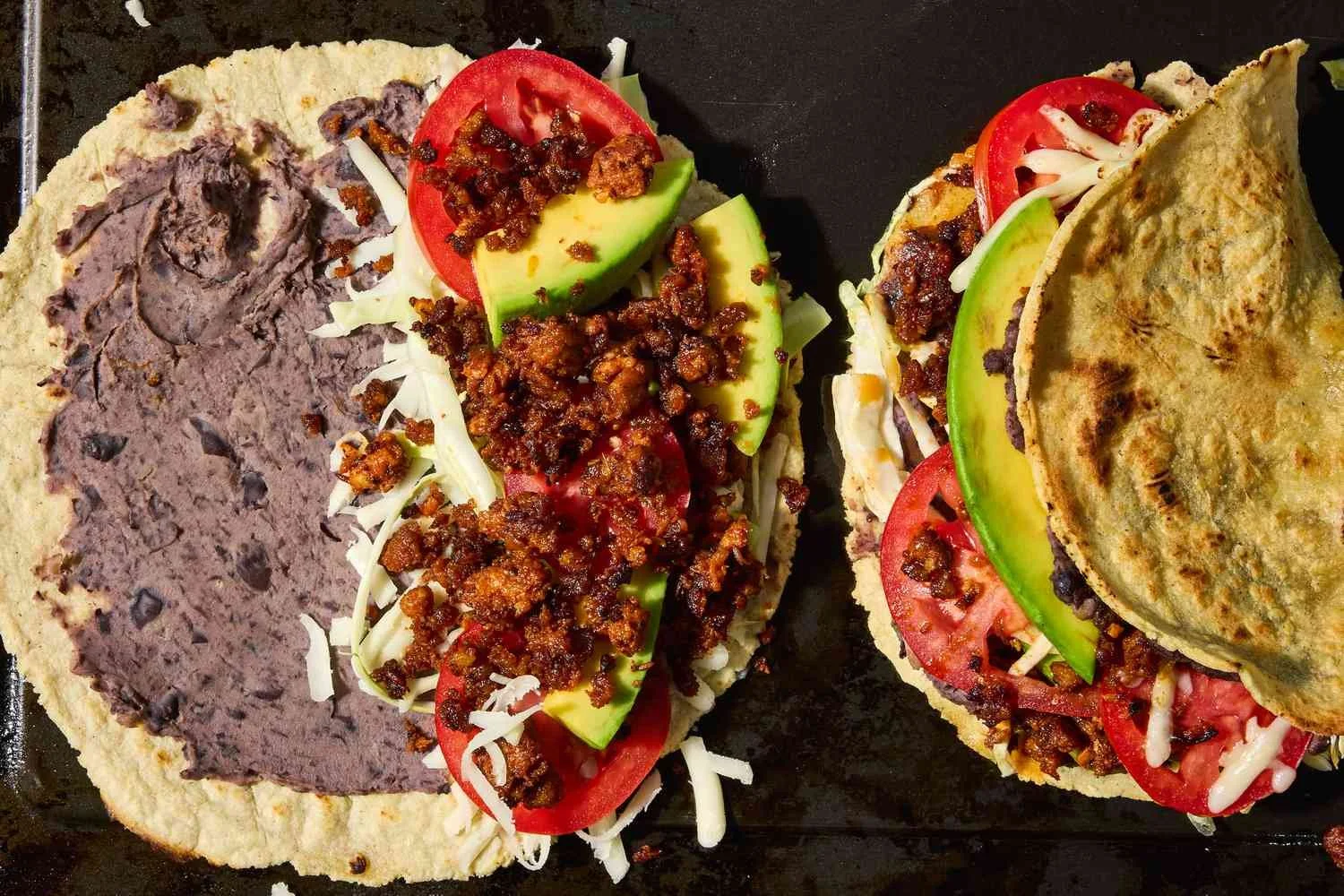
9. Make the quesabirria tacos. Heat a comal or flat skillet over medium-high heat. Dip a corn tortilla into the fat layer of the consommé — the tortilla will turn a vivid orange-red. Lay it immediately on the hot comal. Add a portion of shredded birria meat to one half of the tortilla and a generous amount of cheese. Fold the tortilla over the filling and press lightly. Griddle until the underside is crispy and the cheese has melted, about 2 minutes per side.
10. Serve. Arrange the tacos on a plate alongside a small cup of hot, strained consommé for dipping. Top each taco with diced white onion and fresh cilantro. Squeeze lime into the consommé. Each bite of taco goes straight into that broth. Critical technique tips: - Toast the chiles. Soaking alone does not develop the same flavor compounds as toasting first. This step takes 5 minutes and makes a significant difference.
• The fat is gold. The bright-orange layer of fat floating on the cooled consommé is the secret to quesabirria’s signature color and flavor. Skim it, keep it, use it. Don’t discard it.
• Sear the meat, every time. Pale, un-seared beef produces a flat, watery broth. The Maillard reaction from a proper sear creates the depth and color the finished consommé needs.
• True consommé is thick and glossy. If yours looks thin and pale after the braise, simmer uncovered for an additional 20 minutes to concentrate.
Tips, Variations & Substitutions
Texas Sourcing
Dried guajillo and ancho chiles are carried at most H-E-B stores in Texas in the Latin foods section. For chiles de árbol, Central Market in Austin has a great selection, and any Latin grocery in San Antonio or Houston will stock the full birria chile lineup. If you want the most traditional experience with goat (chivo), look for a Mexican or halal butcher in Austin or San Antonio — several carry bone-in goat cuts. Oaxacan string cheese (quesillo) for the quesabirria tacos is available at H-E-B Plus locations and Central Market.
Regional Variations
• Jalisco original (birria de chivo): Made with goat, served as a stew in a deep bowl with warm corn tortillas on the side for dipping. Tacos came later. This is the version Rosa makes, and it’s spectacular.
• Tijuana-style quesabirria: The viral format — cheese-dipped, fat-griddled tortillas folded over birria meat. Originated in Tijuana in the late 2000s and became one of the most globally recognized Mexican street food trends of the 2020s, according to food writers who tracked its rise.
• Birria de res (beef): Now the dominant version in the U.S. due to availability. Chuck roast, short ribs, and oxtail all work well, with oxtail producing the most collagen-rich consommé.
• Michoacán birria: Uses a slightly different chile blend, sometimes adds tomatoes directly to the broth, and tends toward a lighter, more acidic flavor profile than the Jalisco version.
Spice Level Adjustments
• The árbol chiles carry all the heat in this recipe. Use 2 for a mild, approachable braise — 5 for medium heat — 8 or more for serious spice. Guajillo and ancho are both mild.
Dietary Adaptations
• Poultry version: Bone-in chicken thighs work well; reduce braising time to 1.5 hours stovetop.
• Dairy-free tacos: Skip the cheese in the quesabirria format; the consommé-dipped, crispy tortilla with birria is wonderful without it.
• Bowl format: Serve the stew over white rice with no tortillas for a gluten-free, low-carb presentation.
How to Serve Birria / Quesabirria
Stew-Style (Traditional)
Ladle the birria and consommé together into deep bowls. Squeeze lime directly into the bowl. Top with diced white onion and fresh cilantro. Serve warm corn tortillas on the side for scooping and dipping. A cold agua de jamaica (hibiscus water) or a dark Mexican beer like Negra Modelo is the ideal drink pairing — the acidity cuts through the richness of the broth perfectly. A small bowl of pickled jalapeños on the table is a welcome addition.
Quesabirria Taco-Style (Street Food)
Stand the tacos upright on a rack or prop them against the cup of consommé for the classic street food presentation. Set out diced raw onion, fresh cilantro, and lime wedges. Each guest dips as they go. The contrast of the crispy, orange-red taco shell against the deep crimson broth is one of the most visually striking presentations in all of Mexican street food — it photographs beautifully if you can resist eating it long enough.
The Story Behind Birria / Quesabirria
Birria’s origin story is equal parts colonial history and culinary triumph. In the 16th century, as food historians have documented, Spanish conquistadors introduced goats to Mexico during the Conquista. The goats reproduced rapidly and devastated indigenous crops. The Spanish considered goat meat inferior and showed little interest in it. The indigenous people of Jalisco — faced with hunger and an animal the colonists dismissed — began cooking the goats using their knowledge of spices, dried chiles, and slow-cooking. The result became the most celebrated dish in all of Jalisco.
The very word “birria” offers a window into this history. According to food etymologists, the term originally meant something messy or worthless — the contemptuous colonial nickname for the pungent goat stew. The people of Jalisco wore it as a badge of pride. Today, birria is served at every major life celebration in Jalisco: weddings, baptisms, quinceañeras. It is Sunday food, cold-weather food, familia food.
The quesabirria evolution has a more recent origin: beef birria took hold in Tijuana in the 1950s when goat became expensive. The cheese-dipped-tortilla format emerged from Tijuana taco stands in the late 2000s and exploded worldwide on social media starting around 2019–2020 — moving in reverse from most food trends, from humble regional tradition to global viral fame.
Frequently Asked Questions
What is the difference between birria and barbacoa?
Both involve slow-cooked shredded beef, but they’re different dishes. Barbacoa (from Hidalgo) uses beef cheeks or head, is more simply seasoned, and is steamed. Birria (from Jalisco) is braised in a complex chile sauce, and the consommé is as central as the meat. Birria is saucier and spicier; barbacoa is subtler, with the beef flavor at the forefront.
Can I make birria with beef instead of goat?
Absolutely — most U.S. recipes do. Beef chuck roast is the standard substitute. Bone-in short ribs or oxtail give a more gelatinous consommé. The flavor is less gamey than goat but deeply rich and excellent.
What chiles do I use if I can’t find guajillo or ancho?
Guajillo and ancho are the most widely available dried chiles in U.S. Latin markets and increasingly at mainstream grocery stores (look for them in the produce or international aisle). In a pinch, guajillo can be approximated with a mild New Mexico chile; ancho can be substituted with pasilla negro. Do not substitute with fresh chiles or chili powder — the flavor will be entirely different.
How do I get the consommé to be thick and glossy?
Two things: bone-in meat and time. Bones release collagen as they cook, which turns the broth thick and glossy as it reduces. If your consommé is thin after the braise, simmer it uncovered for 20–30 minutes. You should be able to coat the back of a spoon.
Can I make birria in an Instant Pot?
Yes. Season and sear the meat using the Sauté function (don’t skip the sear). Add the chile sauce and enough broth to just cover. Seal and cook on manual high pressure for 50 minutes, then natural release for 20 minutes. The consommé won’t be quite as deep as the stovetop version, but it’s an excellent weeknight shortcut.
How do I store and reheat leftover birria?
Store meat and consommé together in an airtight container for up to 4 days. The solidified fat cap that forms when cold is your quesabirria taco resource — don’t discard it. Reheat on the stovetop over medium-low. Freezes well for up to 3 months.