

Chiles en Nogada Recipe (Step-by-Step Guide)
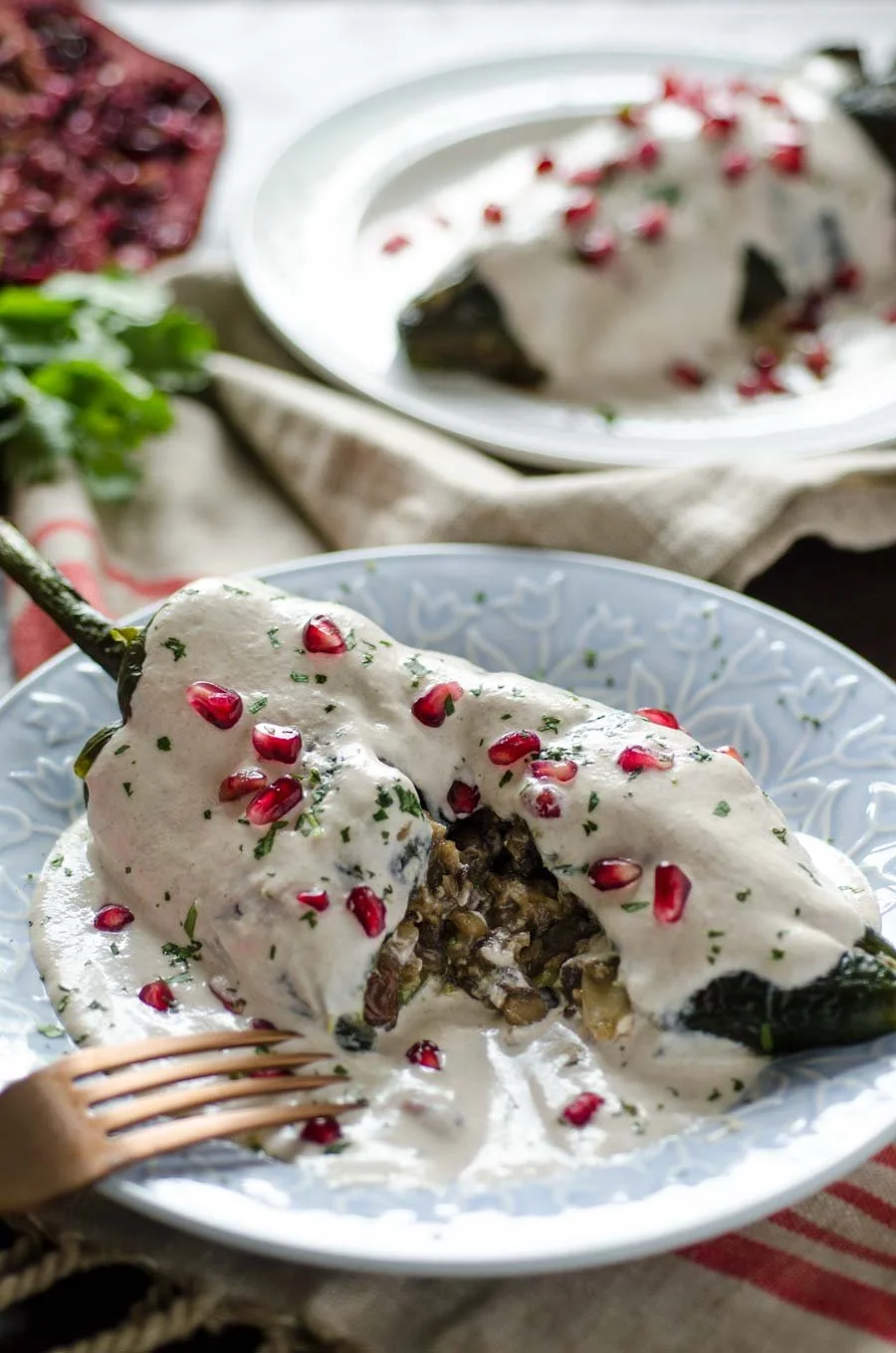
Chiles en Nogada is a poblano pepper stuffed with a sweet-savory picadillo — ground pork, fresh and dried fruits, nuts, and warm spices — then draped in nogada, a luxuriously smooth walnut cream sauce, and finished with pomegranate seeds (arils) and fresh flat-leaf parsley. It originates in Puebla, one of Mexico’s most storied culinary cities, and it is traditionally made during August and September when pomegranates and fresh walnuts align in the same brief window of peak season.
I know this dish looks ambitious. It is. But I promise you: the person who carries this platter to the table will have the room go quiet for a moment. That moment is worth every minute. Let’s make it.
Recipe at a Glance
• Prep time: 45 minutes
• Cook time: 45 minutes
• Total time: Approximately 1 hour 30 minutes
• Difficulty: Intermediate
• Yield: 6 stuffed peppers (serves 6)
• Course: Main course / Celebration
• Region/Origin: Puebla, Mexico
Ingredients
For the Picadillo (Filling)
• 1 tablespoon (15 ml) neutral oil
• ½ white onion, finely diced
• 4 garlic cloves, minced
• 1 lb (450 g) ground pork (or a 50/50 blend of ground pork and ground beef)
• 1 roma tomato, finely chopped
• ½ ripe pear, peeled and diced into small cubes
• ½ ripe peach or 3 dried peach halves, diced (see substitution note)
• ¼ plantain (ripe but not black), diced
• ¼ cup (35 g) raisins
• ¼ cup (25 g) blanched almonds, roughly chopped (or pine nuts — traditional in some families)
• ½ teaspoon (1 g) ground cinnamon
• ¼ teaspoon ground cloves
• ½ teaspoon (1.5 g) ground cumin
• ½ teaspoon (1 g) dried Mexican oregano
• Salt to taste
• 2 tablespoons (30 ml) dry sherry or white wine (optional, brightens the filling)
For the Nogada (Walnut Cream Sauce)
• 1 cup (100 g) fresh walnuts — fresh is essential (see notes)
• 4 oz (115 g) cream cheese, room temperature
• ¼ cup (60 ml) Mexican crema
• 2 tablespoons (30 ml) dry sherry or milk (sherry adds elegance; milk is milder)
• ¼ teaspoon ground cinnamon
• ½ teaspoon (3 g) salt, or to taste
• Pinch of sugar (just enough to balance the walnut’s natural bitterness)
For the Peppers
• 6 large poblano peppers — as uniform and straight as possible for even stuffing
• Neutral oil for charring (if using stovetop)
For Garnish
• Seeds of 1 ripe pomegranate (about ½ cup / 80 g arils)
• Fresh flat-leaf parsley, leaves and small sprigs
• Optional: a few drops of pomegranate molasses drizzled over the platter
Ingredient notes:
• Fresh walnuts — not optional: Dried walnuts from a bag will make the nogada bitter. Fresh walnuts (available at Latin markets, Whole Foods, and farmers markets in late summer) have a sweeter, milkier flavor. If using fresh walnuts, soak them in warm water for 10 minutes and peel the papery inner skin — this is tedious but essential for a white, clean-tasting sauce. Substitute: Macadamia nuts for a milder, creamier nogada (non-traditional but excellent).
• Dried peaches: Sub with dried apricots or a combination of both. Out-of-season fresh peaches can be replaced with canned peaches, well-drained — it works in a pinch.
• Poblanos: These vary enormously in heat level — from barely warm to genuinely spicy. Taste a small raw piece before roasting to gauge the heat. For a milder result, sub Anaheim peppers, which are consistently mild and still hold their shape well when stuffed.
• Mexican crema: Substitute sour cream thinned with a splash of heavy cream to approximate the consistency and tang.
• Pomegranate seeds out of season: Look for jarred pomegranate arils at Trader Joe’s and Whole Foods year-round. Dried cranberries can substitute for color in an emergency.
We offer catering services in and around Austin, TX and Texas Hill Country. Inquire HERE.
Step-by-Step Instructions
1. Roast and peel the poblanos. Char the poblano peppers directly over a gas flame, turning with tongs until blackened on all sides — about 8–10 minutes total. Alternatively, broil on a baking sheet, turning every 3–4 minutes. Place the charred peppers immediately into a sealed plastic bag or covered bowl and let them steam for 10 minutes. The steam loosens the skin. Peel the charred skin off with your fingers — it should slip away easily. Don’t rinse under water; you’ll wash away flavor. Make a single vertical slit down one side of each pepper. Carefully reach in and remove the seeds and membranes, keeping the pepper intact as much as possible. Set aside.
2. Prepare the picadillo base. Heat oil in a large skillet over medium heat. Add the diced onion and cook until soft and translucent, about 5 minutes. Add the garlic and cook 1 minute more — the kitchen will smell warmly of softened onion and just-toasted garlic. Add the ground pork (and beef if using) and cook, breaking up any clumps, until browned and cooked through, about 8 minutes.
3. Add aromatics and fruit. Stir in the chopped tomato and cook for 2 minutes. Add the cinnamon, cloves, cumin, and oregano — stir to coat the meat; the warm spice aroma should bloom immediately, filling the kitchen with something between a Mexican market stall and a holiday kitchen. Fold in the pear, peach (or dried peaches), plantain, raisins, almonds, and sherry if using. Season with salt.
4. Simmer the filling. Reduce heat to low and simmer, stirring occasionally, for 12–15 minutes until all the liquid has been absorbed and the fruit has softened into the meat mixture. The filling should be moist and fragrant but not wet — if it looks soupy, increase heat briefly to evaporate excess liquid. Taste and adjust salt. Let the filling cool for 10 minutes before stuffing.
5. Make the nogada. Place the peeled fresh walnuts, cream cheese, crema, sherry (or milk), cinnamon, salt, and a pinch of sugar in a blender. Blend on high for 2 full minutes until completely smooth and creamy — the sauce should be white to ivory, not brown. If it looks brown, your walnuts weren’t fully peeled. Add a splash more milk or crema if needed to reach a pourable consistency. Taste and adjust for salt and sweetness. Keep at room temperature — do not refrigerate before serving.
6. Stuff the peppers. Working with one pepper at a time, gently open the slit you made and pack the inside with the picadillo filling, pressing it in firmly. The pepper should look plump but the slit should be able to close. If a pepper tears, don’t panic — the sauce will cover it.
7. Plate the dish. Lay the stuffed peppers on a large white platter — white makes the colors of the garnish pop most dramatically. Serve at room temperature (see note below).
8. Dress and garnish. Spoon the nogada liberally over each pepper, covering most of the surface. Then scatter the pomegranate seeds generously across the entire platter. Add sprigs of fresh flat-leaf parsley. If using, drizzle pomegranate molasses lightly over the top. Serve immediately. Critical technique tips: - Nogada is served at room temperature — never heat it. The walnut-cream sauce will separate and break if warmed. If your peppers cooled in the refrigerator, bring them to room temperature before saucing.
• Peel the walnuts. The papery inner skin is astringent and bitter. Even a partial peeling makes a significant difference in the color and flavor of the nogada. Soaking the walnuts in warm water for 10 minutes softens the skin and makes it easier to rub off.
• Cool the filling before stuffing. Hot filling softens the pepper from the inside and makes it more likely to tear. Let it cool to room temperature or warm.
• Make-ahead strategy: The picadillo can be made a day ahead and refrigerated. The peppers can be roasted and peeled a day ahead. Make the nogada fresh, just before serving, for the best color and consistency.
Tips, Variations & Substitutions
Regional Variations
• Capeado (battered and fried) version: Some Puebla families coat the stuffed poblanos in a fluffy egg-white batter and shallow-fry them in oil before topping with nogada — the classic chile relleno technique applied to chiles en nogada. The fried version is richer and more substantial; the un-fried version (en frío, served naked) lets the nogada and garnish take center stage. Both are authentic.
• Fruit variations: The picadillo filling is famously variable. Some families include apple, candied citrus peel, pine nuts, or even biznaga (a type of cactus candy). The principle is the same: a complex sweet-savory filling with warm spices. ### Spice Level Adjustments
Poblanos range from mild to medium heat. For milder peppers, remove all seeds and inner white veins thoroughly before stuffing. The filling itself carries no heat. For slightly more interest, leave a few veins in one or two peppers — the heat is pleasant against the creamy nogada.
Dietary Adaptations
• Vegetarian: Replace the ground pork with a mixture of French green lentils (cooked), finely diced mushrooms (browned first), and extra dried fruit. The spice profile carries the filling beautifully; even confirmed meat-eaters have been surprised.
• Dairy-free nogada: Soak 1 cup of raw cashews in cold water for 2 hours, then drain and blend with ½ cup coconut cream, a splash of apple cider vinegar, cinnamon, salt, and a pinch of sugar. Less traditional, but genuinely delicious and visually nearly identical.
• Gluten-free: The recipe as written is naturally gluten-free. Verify the label on your crema.
Sourcing in Texas
Here in Texas, pomegranates hit peak season in September and October — look for them at H-E-B, Central Market, and Hill Country and San Antonio farmers markets right around the same time you want to be making this dish. Fresh walnuts (the essential ingredient for a white, non-bitter nogada) can be found at Central Market in Austin and San Antonio, Latin grocery stores along Cesar Chavez, and Whole Foods — or order them online in early September when the new-crop harvest comes in.
How to Serve Chiles en Nogada
Chiles en Nogada is one of the most deliberately theatrical dishes in Mexican cooking. It is meant to be looked at before it is eaten. Here is how to honor that:
• White platter: The green of the pepper, the white of the nogada, and the red of the pomegranate seeds only achieve their full visual impact against a white background. A wooden board will make them look muddy.
• Sauce at the table, not in the kitchen: Spoon the nogada over each pepper just before bringing the platter to the table, not in advance. The sauce absorbs color from the pomegranate seeds over time.
• Parsley placement: Fan small parsley sprigs around the base of each pepper and scatter individual leaves across the top. It should look like someone tossed a garden over the platter.
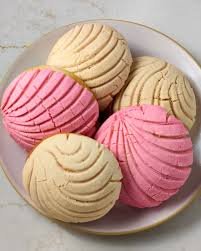
• Traditional accompaniments: Chiles en Nogada is a complete main course. Warm bolillos or corn tortillas on the side are all it needs. A simple Mexican rice rounds out the meal if you want more.
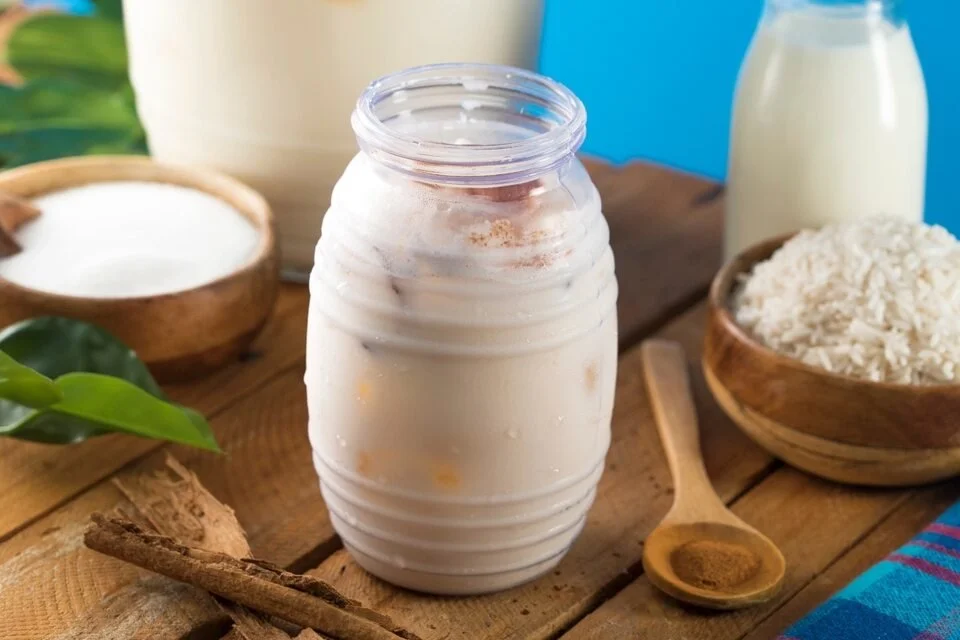
• Drink pairing: A chilled agua de jamaica (hibiscus water) or a dry, crisp white wine balances the richness of the nogada and echoes the dish’s flavors without fighting them. Sparkling Topo Chico with a squeeze of lime is a perfect non-alcoholic option.
• Serve within an hour of assembling. The cold dulls flavors and thickens the sauce unevenly. Store peppers and sauce separately until ready to serve.
The Story Behind Chiles en Nogada
The legend of Chiles en Nogada is inseparable from one of the most dramatic moments in Mexican history. According to Google Arts & Culture, the dish is said to have been served to Don Agustín de Iturbide on August 28, 1821 during his visit to Puebla after signing the Treaty of Córdoba. The nuns of the Puebla convents created a dish whose three colors — green pepper, white walnut sauce, red pomegranate — intentionally mirrored the bandera trigarante, the flag of the newly independent nation.
The story is traditional, beloved, and probably more legend than strict historical record. Mexico in My Kitchen and Un Bocado de Historia both document that walnut-and-chile dishes existed in Puebla as early as 1714, though in earlier forms the dish was a dessert without meat. No recipe matching the modern version appears in Puebla cookbooks until 1858, and the connection to Iturbide in culinary literature dates to the 1940s.
Whether or not the nuns created it that specific afternoon in 1821, the legend is now inseparable from the dish’s identity. NPR reported in 2021 that food historian Ricardo Muñoz Zurita acknowledges 18th-century records of the dish while still honoring the Iturbide story. It is food that carries a flag. This is what my abuela meant: every dish tells a story. This one tells one of the most important stories in Mexico.
Frequently Asked Questions
Can I make Chiles en Nogada ahead of time?
Yes. The picadillo can be made 1–2 days ahead and refrigerated. The poblanos can be roasted and peeled a day ahead. Make the nogada fresh on the day of serving. Assemble and dress the platter within 1 hour of serving.
Why is my nogada sauce bitter — what went wrong?
Walnut skin. The papery inner skin contains tannins that turn the nogada brown and bitter. Soak fresh walnuts in warm water for 10–15 minutes, then peel thoroughly before blending. If using packaged walnuts, toast briefly and rub with a kitchen towel to remove as much skin as possible.
Can I use canned or packaged walnuts instead of fresh?
You can, but the result will be noticeably different. Packaged walnuts have oxidized slightly, which contributes bitterness. Fresh walnuts — available at Latin markets and farmers markets in late summer — have a sweet, milky quality that makes the difference. If unavailable, macadamia nuts are a good substitute.
Should Chiles en Nogada be served hot or cold?
Room temperature. The peppers can be slightly warm, but the nogada must be at room temperature — never heated. Cold dulls the flavors and congeals the sauce. Assemble and serve promptly.
What is the difference between the capeado (fried) and non-fried version?
In the capeado version, the stuffed poblano is dipped in a beaten egg-white batter and shallow-fried until golden and puffy before the nogada goes over. The egg batter creates a rich, crispy exterior. The non-fried (en frío) version lets the nogada and garnish take center stage. Both are authentically Pueblan.
Where can I find pomegranate seeds in the United States if they’re out of season?
Jarred pomegranate arils are sold year-round at Trader Joe’s, Whole Foods, and most major grocery stores. In peak season (September–October), fresh pomegranates are easy to find. Dried cranberries can substitute for color in a pinch.