

Sopa de Lima Recipe (Step-by-Step Guide)
Sopa de lima — Yucatán’s gift to chicken soup lovers everywhere — has been my cold-weather staple, my sick-day remedy, and my first-impression recipe ever since. When the October rains finally break and the air in Dripping Springs gets that first real chill, this is what I make. It tastes, somehow, like being somewhere beautiful.
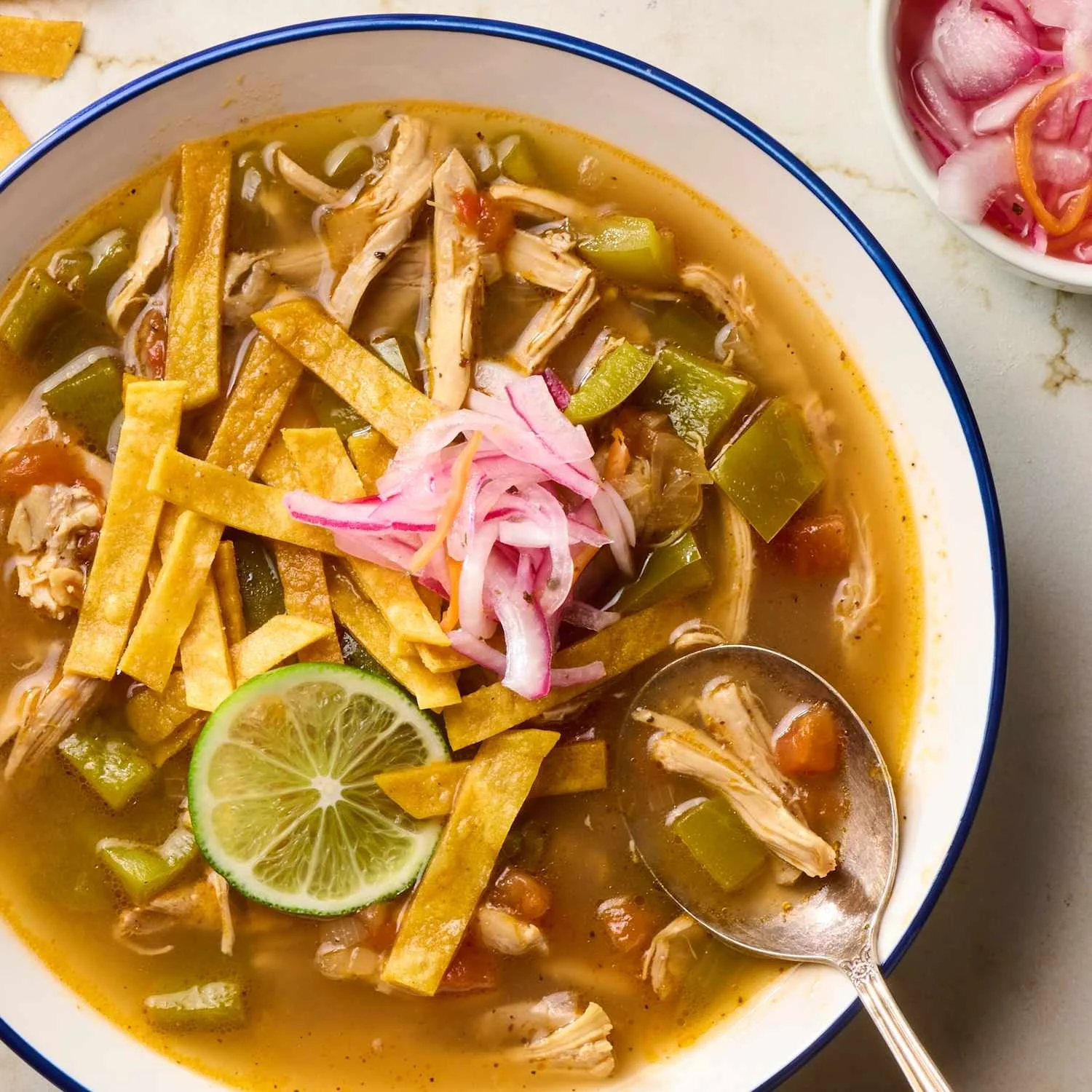
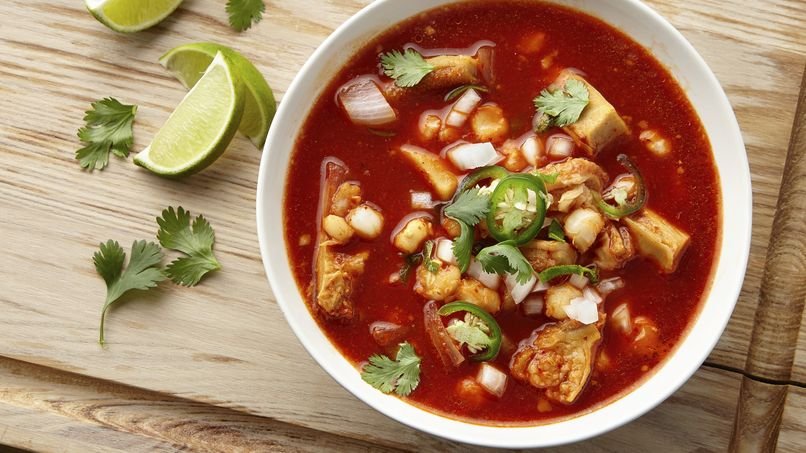
Sopa de lima is a fragrant chicken broth soup from the Yucatán Peninsula, distinguished by the juice and zest of the lima — a floral, slightly bitter citrus native to that region. The broth is built with charred tomatoes, onion, and bell pepper, layered over simmered chicken, and finished with a generous pour of lime (plus a splash of orange juice, which together approximate the real deal here in the States). It is topped tableside with crunchy tortilla strips, ripe avocado, cilantro, and another squeeze of citrus.
What I love most about this recipe is that it delivers genuine regional depth from pantry staples and supermarket produce. The flavors are unmistakably Yucatecan — bright, herbal, faintly smoky. It comes together in under an hour, scales easily for a crowd, and gets better as you eat it because the broth and the garnishes keep talking to each other in the bowl. Once you make it, you’ll understand why I always have limes and habaneros on hand. Let’s get into it.
Recipe at a Glance
• Prep time: 15 minutes
• Cook time: 40 minutes
• Total time: 55 minutes
• Difficulty: Beginner–Intermediate
• Yield: 4–6 servings
• Course: Soup / First course or main
• Region/Origin: Yucatán, Mexico
Ingredients
For the Chicken Broth
• 2 lbs (900 g) bone-in, skin-on chicken thighs or a mix of thighs and drumsticks
• ½ large white onion, left in one piece
• 4 cloves garlic, unpeeled
• 1 whole habanero pepper (do not pierce or cut — see note)
• 1 tsp dried Mexican oregano (substitute: half the amount of Mediterranean oregano in a pinch, but seek out the Mexican variety — it has a citrus-forward, earthy character that matters here; find it at any Latin grocery store)
• 1 tsp black peppercorns
• 2 tsp kosher salt
• 6 cups (1.4 L) water, or low-sodium chicken stock for extra richness
For the Soup Base
• 2 tbsp neutral oil (vegetable or avocado)
• 2 roma tomatoes, roughly diced
• ½ large white onion, diced
• ½ medium green bell pepper, diced
• 3 cloves garlic, minced
For the Lima Finish
• Juice of 3 limes (about ⅓ cup / 80 ml) (see substitution note below)
• Juice of 1 medium orange (about ¼ cup / 60 ml)
• Zest of 1 lime
• Salt to taste
For Serving
• 6 corn tortillas, cut into thin strips
• Neutral oil for frying (about ½ cup / 120 ml), or bake strips at 400°F brushed with oil until golden
• 1 ripe avocado, sliced or diced
• Fresh cilantro leaves
• Extra lime wedges
• Crumbled queso fresco (optional — mild fresh cheese; substitute feta rinsed of excess salt)
Key Ingredient Notes: - Yucatecan lima is a citrus hybrid with a floral bitterness unlike standard lime — it is practically impossible to find in the U.S. The lime-plus-orange combination is the best widely accepted approximation; food writer Diana Kennedy recommends this substitution for home cooks outside Mexico. - Habanero: Simmered whole, it perfumes the broth with its fruity, floral character without releasing serious heat. Do not puncture it. If you want heat, add a minced habanero to the sofrito instead. - Bone-in chicken is not optional if you want deep broth flavor. Boneless thighs produce thin, flat broth. Bone-in is worth the extra step of shredding.
We offer catering services in and around Austin, TX and Texas Hill Country. Inquire HERE.
Step-by-Step Instructions
1. Build the broth. Place chicken, the halved onion, whole unpeeled garlic cloves, whole habanero, Mexican oregano, peppercorns, and salt in a large pot or Dutch oven. Add 6 cups of water or stock. Bring to a boil over high heat, then immediately reduce to a gentle, rolling simmer. Skim any foam that rises in the first 5 minutes. Simmer uncovered for 25–30 minutes until the chicken is completely cooked through and the meat pulls easily from the bone.
2. Retrieve and shred the chicken. Use tongs to remove the chicken pieces and set on a cutting board. Carefully remove and discard the habanero (it has done its job), onion, and garlic — do not squeeze or break the habanero. Strain the broth through a fine-mesh strainer into a bowl and set aside — notice how golden and aromatic it already is, faintly fruity from the habanero. Once chicken is cool enough to handle, pull the meat from the bones and shred into rough pieces. Discard skin and bones.
3. Build the sofrito base. Return the same pot to medium-high heat. Add the oil and let it shimmer. Add the diced tomatoes, diced onion, and green bell pepper. Cook, stirring occasionally, for 7–8 minutes until vegetables have softened and are beginning to caramelize at the edges — you want some color here, not just steaming. Add the minced garlic and cook 1 minute more until fragrant.
4. Combine the broth. Pour the reserved, strained chicken broth into the pot with the sofrito. Bring to a gentle simmer and cook together for 10 minutes, letting the flavors marry. The broth will take on a slightly richer color and a more complex aroma.
5. Add the citrus. This is the defining moment — remove the pot from boiling and reduce to a low simmer, then stir in the lime juice, orange juice, and lime zest. Taste immediately. The soup should be notably bright, with the citrus prominent but not aggressively sour. Add more lime if needed, more orange if the lime is too sharp. Season with salt.
6. Return the chicken. Add the shredded chicken back to the pot. Simmer on low for 5 minutes — the broth should now smell vividly citrusy and warm, like a summer market in Yucatan. Do not let it boil hard after adding the citrus — high heat dulls the bright lime flavor.
7. Fry the tortilla strips. While the soup finishes, heat about ½ inch of neutral oil in a small skillet over medium-high until a strip of tortilla sizzles immediately on contact. Fry the strips in small batches for 1–2 minutes until golden and rigid. Remove with a slotted spoon onto a paper-towel-lined plate and salt immediately. Alternatively, toss with oil, spread on a baking sheet, and bake at 400°F for 10–12 minutes, flipping once.
8. Serve. Ladle the hot soup into bowls. Top with tortilla strips (add them at the table, not in the kitchen), sliced avocado, a handful of fresh cilantro, and a wedge of lime on the rim. Add crumbled queso fresco if using.
Technique Tips: - Add the lime juice after pulling the pot off a full boil. High heat destroys volatile citrus compounds and flattens the flavor. This is the single most impactful technique decision in the recipe. - Keep the habanero whole and intact at all times. A single small crack releases enough capsaicin to make the entire pot fiery — beautiful for some, disastrous for guests with low heat tolerance. - The sofrito + broth base can be made up to 2 days ahead and refrigerated. Add the lime juice and shredded chicken only when reheating to serve, so the citrus stays fresh and bright.
Tips, Variations & Substitutions
Regional Variations
In Mérida’s best restaurants and market comedores (comedores are casual dining counters inside markets), sopa de lima sometimes arrives with a single thin slice of the actual Yucatecan lima floating on the surface — both decorative and functional. In some Yucatecan households, the chicken is replaced with turkey, which has been central to Yucatecan cooking since before Spanish contact. The flavor of turkey broth is earthier and slightly richer — if you ever find turkey legs or bone-in turkey thighs, try it.
Some home cooks in Yucatán use achiote — the earthy, rust-colored paste made from annatto seeds — as a base note in the sofrito, which gives the soup a warm color and a faintly peppery, floral depth. A teaspoon of achiote paste stirred into the sofrito is a wonderful addition if you can find it (most Latin grocery stores and many H-E-Bs carry it).
Spice Level Adjustments
The habanero-in-broth method produces a soup that registers as zero to very gently warm — almost no one notices it unless they know to look. For more heat: dice half a habanero and add it to the sofrito at step 3. For zero heat: omit the habanero entirely. The soup is still wonderful — the citrus carries it.
Dietary Adaptations
• Vegetarian / vegan: Use vegetable broth, skip the chicken, and add one can of drained chickpeas and one medium zucchini cut in half-moons (added in the last 5 minutes). A splash of smoked paprika and an extra hit of lime compensates for some of the depth you lose by removing the chicken broth.
• Lower-carb: Skip the tortilla strips. Add extra avocado for richness and texture. The broth itself is naturally low-carb and deeply satisfying on its own.
• Shortcut: A rotisserie chicken works perfectly here — shred the meat and use the carcass to make a quick 30-minute stock, or simply use good store-bought chicken stock. Start the recipe at step 3 and you are looking at a 25-minute dinner.
Serving Suggestions
In Yucatán, sopa de lima is most often served as a standalone meal — a generous bowl with warm corn tortillas on the side for tearing and dipping. If you want to build it out into a proper dinner spread, the natural companions are:
• Frijoles negros (black beans), either whole or refried, on the side or floating gently in the broth
• Cebollas encurtidas — pickled red onions that are a Yucatecan staple. The sharp, magenta-pink pickles against the golden broth are stunning and the acidity is a perfect counterpoint.
• Fresh habanero salsa on the side for those who want the real heat experience
• A basket of warm corn tortillas or thick tostadas
For drinks: a tall glass of agua de jamaica (hibiscus water) is the classic pairing — its tart sweetness mirrors the citrus in the soup without competing. Topo Chico with lime, or a cold Yucatecan-style cerveza, also works beautifully.
The tortilla strips must go on top at the table, never in the kitchen. This is non-negotiable. Soggy tortilla strips are a tragedy.
Cultural & Historical Notes
Sopa de lima is one of the defining dishes of Yucatecan cuisine, which is, as food scholar Jeffrey Pilcher and others have noted, a genuinely distinct regional tradition within Mexico rather than a variation of a national style. Yucatán’s food culture bears the marks of its Mayan culinary roots, its geographic isolation from central Mexico, and its historical connections to the Caribbean, Cuba, and — notably — to a wave of Lebanese immigration in the late 19th and early 20th centuries that left permanent marks on the local food (think cochinita pibil with its Moorish spice palette, or the Yucatecan kibi, a direct descendant of Lebanese kibbeh).
The lima agria — sour lima — used in this soup is a citrus fruit so specific to the Yucatán region that it is essentially unfindable outside the peninsula. It is this ingredient, more than any other, that makes authentic sopa de lima a dish you can chase but never quite fully replicate outside Yucatán. Part of the joy of traveling to Mérida is eating this soup and understanding, viscerally, why the approximation — however good — is not quite the same.
Chicken soups exist in virtually every food culture on earth, but the Yucatecan approach — the whole habanero in the broth, the citrus finish, the charred sofrito base, the fried tortilla strips — is entirely regional and irreplaceable. According to Mayan culinary historian Lula Bertrán, chicken and turkey soups have been a fundamental part of Yucatecan daily cooking since pre-Hispanic times, with the citrus additions and the fried tortilla topping evolving after colonial contact.
Today, as Yucatecan immigration to the United States has grown — particularly in cities like Houston, Dallas, and Los Angeles — sopa de lima has followed, appearing on restaurant menus and in home kitchens wherever Yucatecan communities have settled. It is, in the best possible way, spreading.
Frequently Asked Questions
What is the Yucatecan lima and where can I find it in the U.S.? The lima agria (sour lima) is a citrus hybrid endemic to the Yucatán Peninsula with a floral bitterness and unique aromatic profile. It is virtually impossible to find in U.S. grocery stores, even in cities with large Mexican populations. The best approximation is a combination of ¾ fresh lime juice and ¼ fresh orange juice — the lime provides tartness and the orange adds the floral, slightly sweet bitterness that the lima contributes. This is the substitution recommended by many Mexican food authorities including Diana Kennedy.
How do I keep my sopa de lima from being too sour? Add the citrus gradually and taste as you go. The orange juice is your balancing tool — if the soup tastes too sharp from the lime, add more orange juice rather than reducing the lime. Also ensure you are not boiling the soup after adding citrus; the heat will concentrate the acids and make the soup sharper. A pinch of sugar can also round out an overly tart batch.
Can I use a rotisserie chicken to save time? Absolutely — this is my weeknight shortcut. Shred the rotisserie chicken meat and use it in step 6. Use the best quality store-bought chicken stock you can find, or simmer the rotisserie carcass in water for 30 minutes for a quick homemade broth. The result is very good. The only trade-off is that the broth won’t be quite as rich as one made from scratch with bone-in chicken.
Is sopa de lima supposed to be spicy? Traditional sopa de lima is not a spicy soup in the tongue-burning sense, even though habanero is involved. The whole habanero simmered in the broth lends floral, fruity notes rather than aggressive heat. The spiciness of any given bowl depends entirely on how the habanero is handled — whole and intact means very little heat, broken or pierced means significant heat. In Yucatán, fresh habanero salsa is always served on the side for those who want more.
Can I freeze sopa de lima for meal prep? Yes, with one important note: freeze the broth and shredded chicken together, but without the citrus juice. Add fresh lime and orange juice only after reheating from frozen — this preserves the bright, fresh citrus character that defines the soup. Tortilla strips, avocado, and cilantro should always be added fresh at serving.
What is the difference between sopa de lima and regular chicken tortilla soup? Chicken tortilla soup (as commonly made in Tex-Mex and American cooking) is typically tomato-based, seasoned with cumin and chili powder, and tends toward a reddish, smoky flavor profile. Sopa de lima is broth-based, citrus-forward, and herb-driven — it is lighter in body and completely different in flavor. The tortilla strips are a shared garnish, but the soups have little else in common. Sopa de lima is specifically Yucatecan; chicken tortilla soup is a Tex-Mex and American interpretation of Mexican flavors.