

The Many Faces of Masa: Beyond Tortillas to Specialty Applications
For many people outside of Mexico, masa begins and ends with the tortilla. That familiar round flatbread—soft, pliable, essential to tacos—represents the most visible face of one of humanity's most remarkable culinary innovations. Yet this narrow view overlooks a universe of applications that span breakfast to dessert, savory street snacks to ceremonial beverages, crispy fried delicacies to pillowy steamed bundles. Masa, the nixtamalized corn dough that has sustained Mesoamerican civilizations for millennia, deserves recognition as one of the world's most versatile ingredients—a nutritional powerhouse that modern cooks are only beginning to fully appreciate.
The Foundation: Understanding Nixtamalization
Before exploring masa's diverse applications, understanding nixtamalization proves essential. This ancient Mesoamerican technique involves soaking dried corn in an alkaline solution—traditionally water mixed with limestone or wood ash—then cooking and grinding the treated kernels into masa. What might seem like a simple processing step actually represents one of humanity's greatest culinary achievements, ranking alongside the discovery of fermentation and the control of fire.
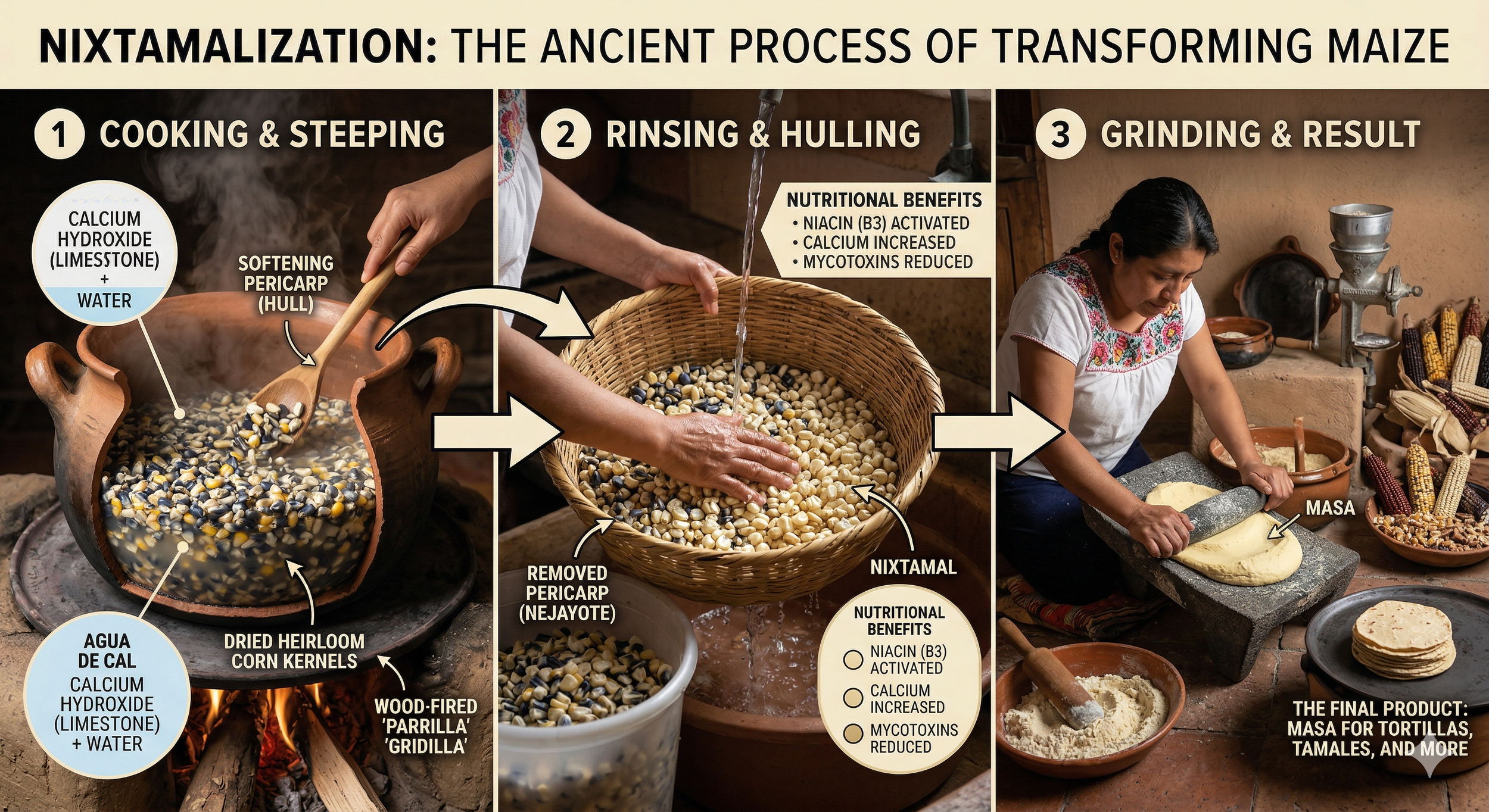
Nixtamalization transforms corn at the molecular level. The alkaline treatment releases niacin (vitamin B3), making it bioavailable for human absorption. Without this process, populations relying heavily on untreated corn developed pellagra, a devastating niacin-deficiency disease that caused dementia, diarrhea, and death. When Spanish colonizers brought corn to Europe and Africa without knowledge of nixtamalization, pellagra became epidemic.
The nutritional benefits extend far beyond niacin. Nixtamalized corn contains 750% more calcium than untreated corn, with 85% of that calcium available for absorption. The process increases iron, copper, and zinc availability, enhances protein digestibility, and improves the amino acid profile. It also reduces mycotoxins by up to 97%, including aflatoxins (reduced 90-94%) and fumonisins (reduced 82%). These are putative carcinogens that contaminate untreated corn, making nixtamalization a crucial food safety measure.
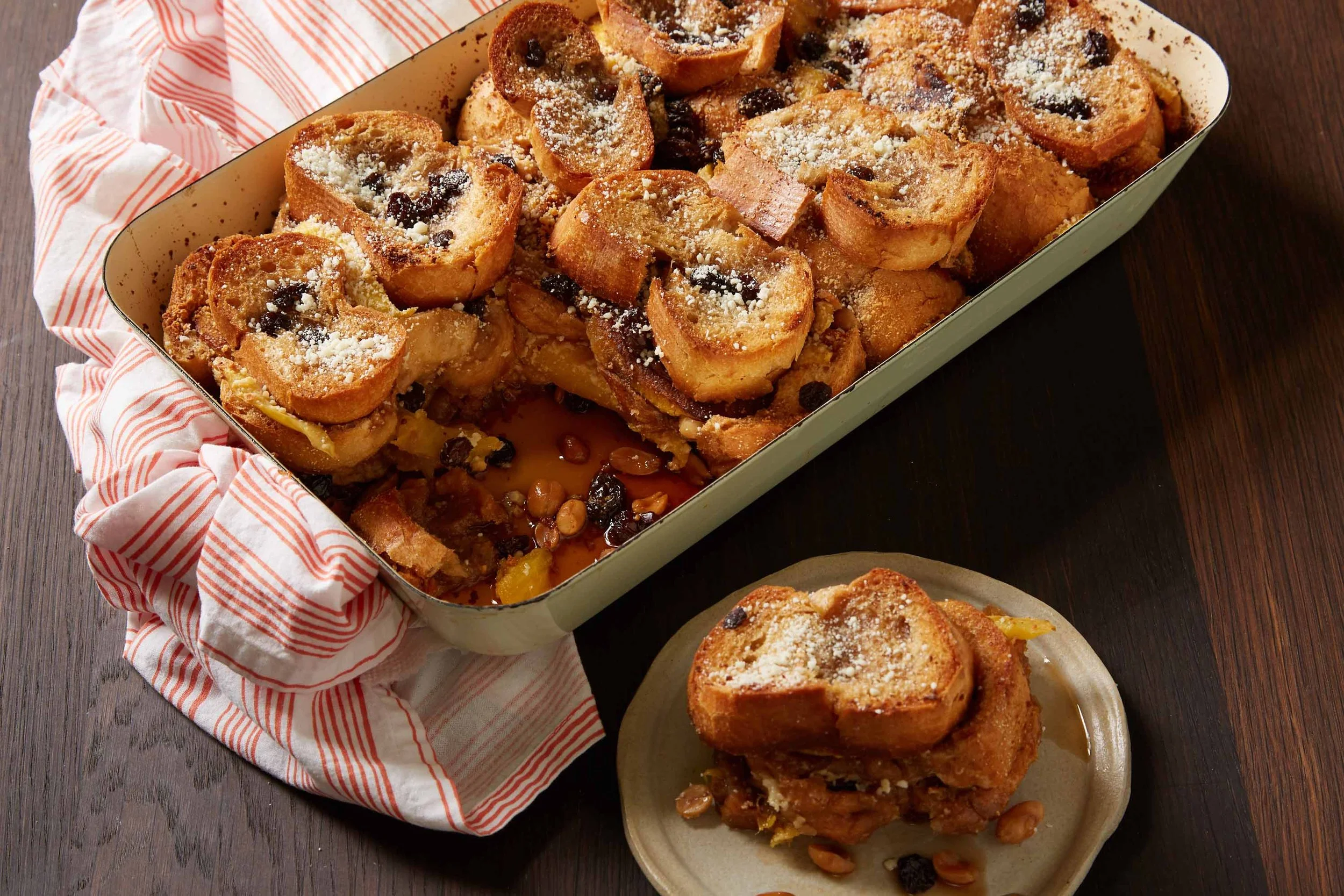
Finally, nixtamalization creates the chemical conditions that allow masa to form dough. Untreated ground corn cannot form cohesive dough when mixed with water—it remains grainy and crumbly. The alkaline treatment gelatinizes starches and modifies proteins, creating masa's characteristic flexibility, elasticity, and ability to hold fillings without breaking.
We offer catering services in and around Austin, TX and Texas Hill Country. Inquire HERE.
Savory Street Foods: Masa's Most Delicious Incarnations
Mexican street food culture showcases masa's versatility through dozens of regional specialties, each with distinct shapes, textures, and flavor profiles. These antojitos (little cravings) represent quick, affordable meals that nourish workers, students, and families across Mexico.
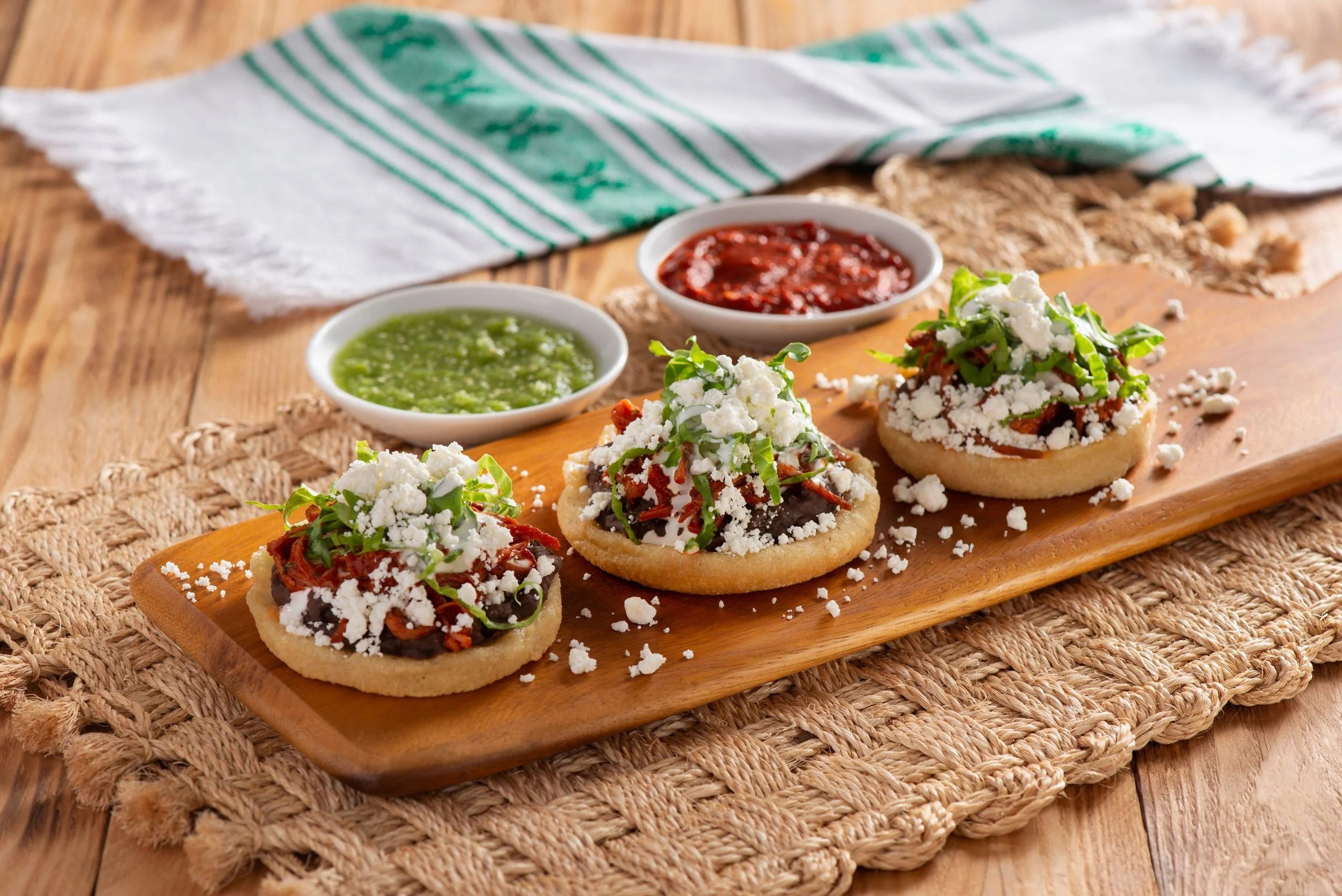
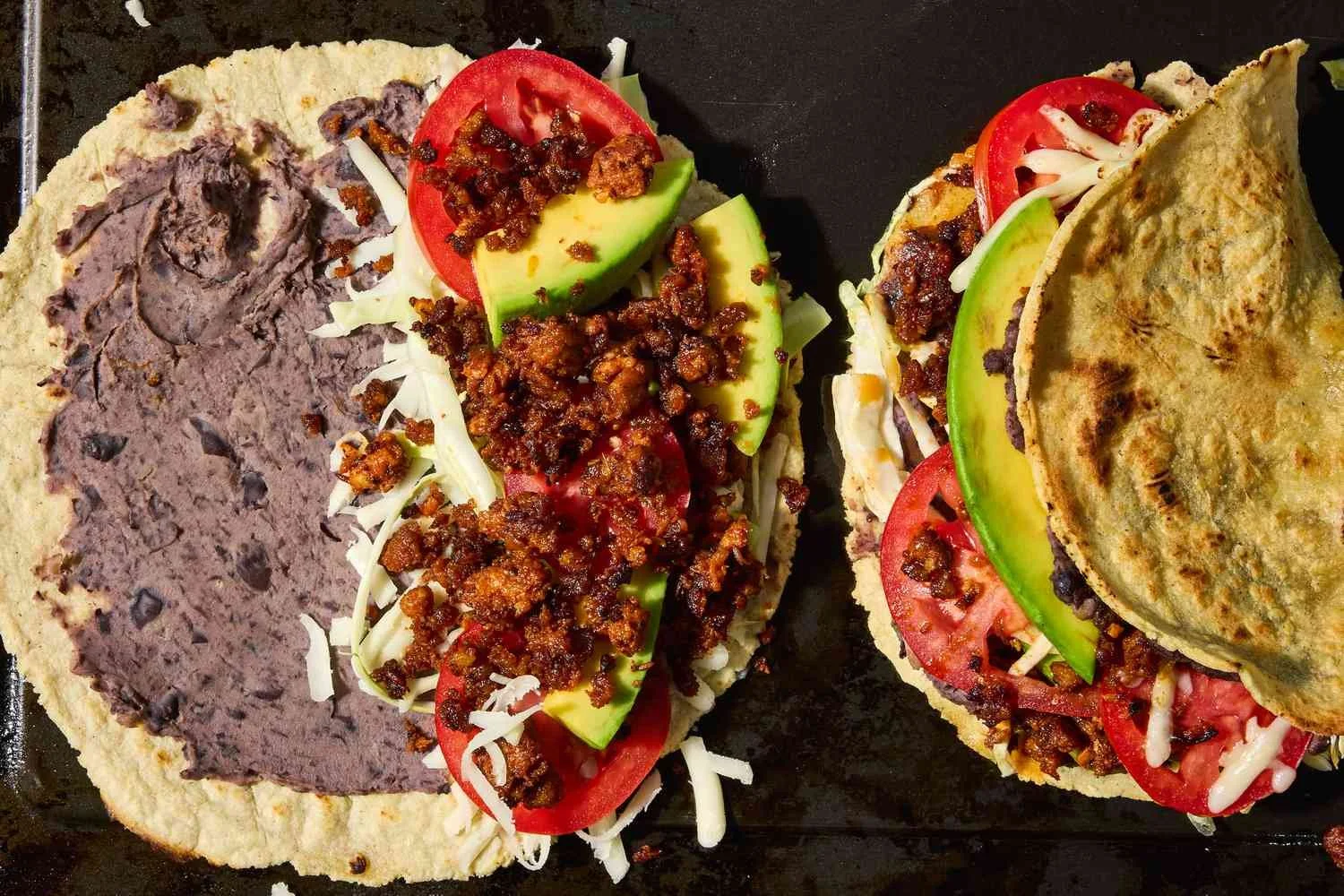
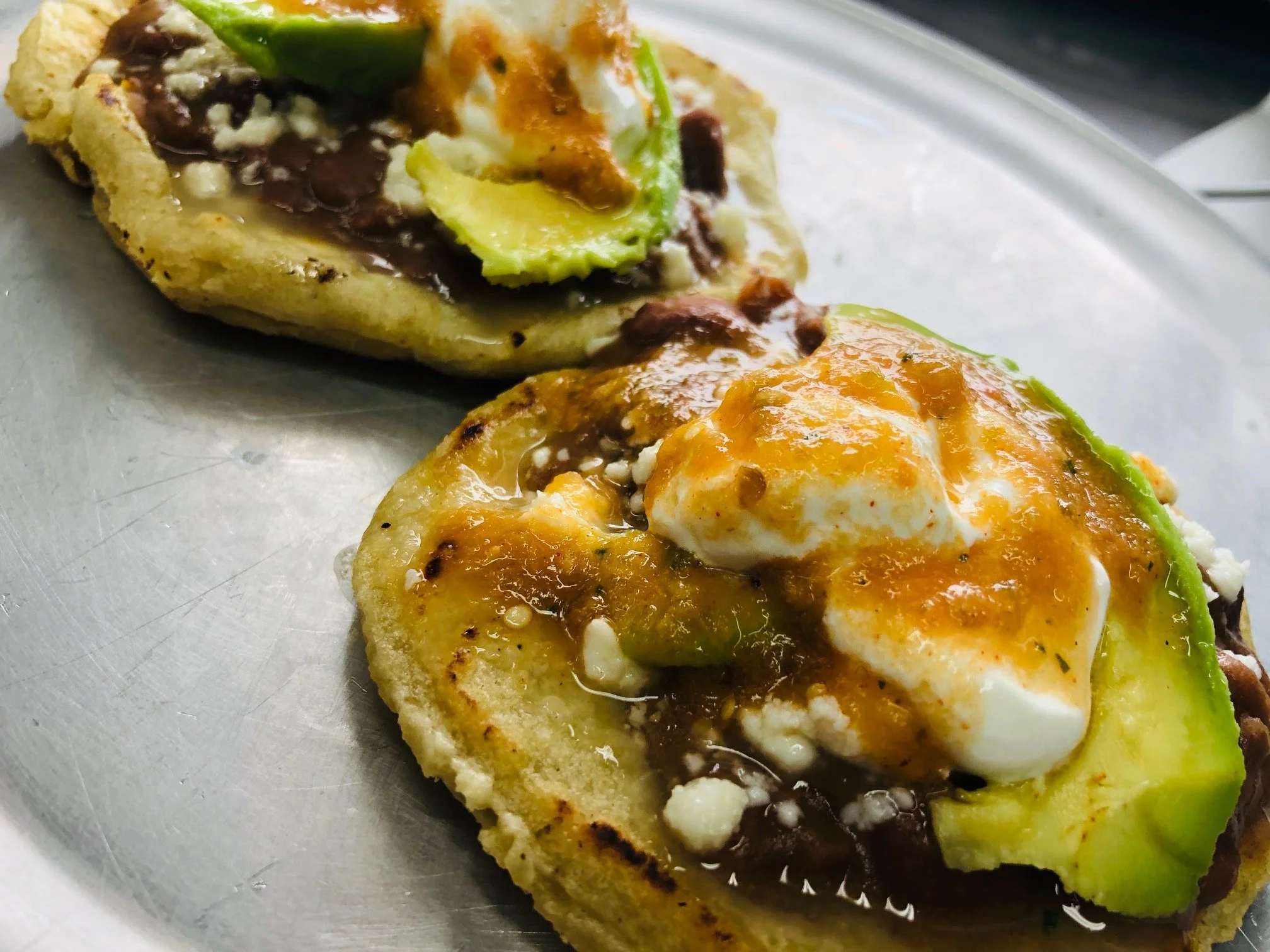
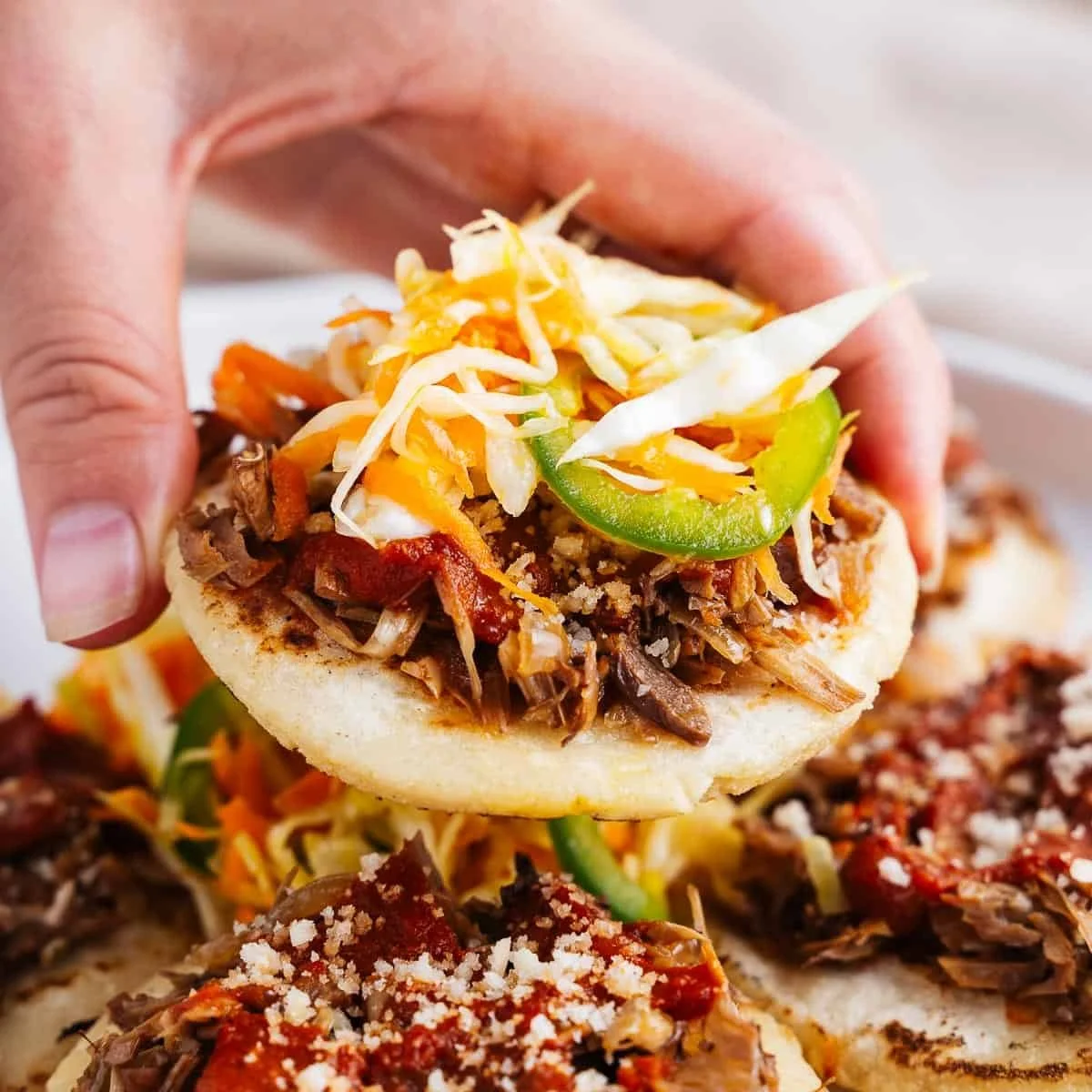
Sopes create edible bowls from masa. Small, thick tortillas are griddled until partially cooked, then the edges are pinched upward to form a shallow bowl shape. This crimped edge prevents toppings from sliding off when the sope is loaded with refried beans, meat, lettuce, cheese, and salsa. The base achieves a satisfying textural contrast—crispy on the bottom from frying while remaining tender inside.
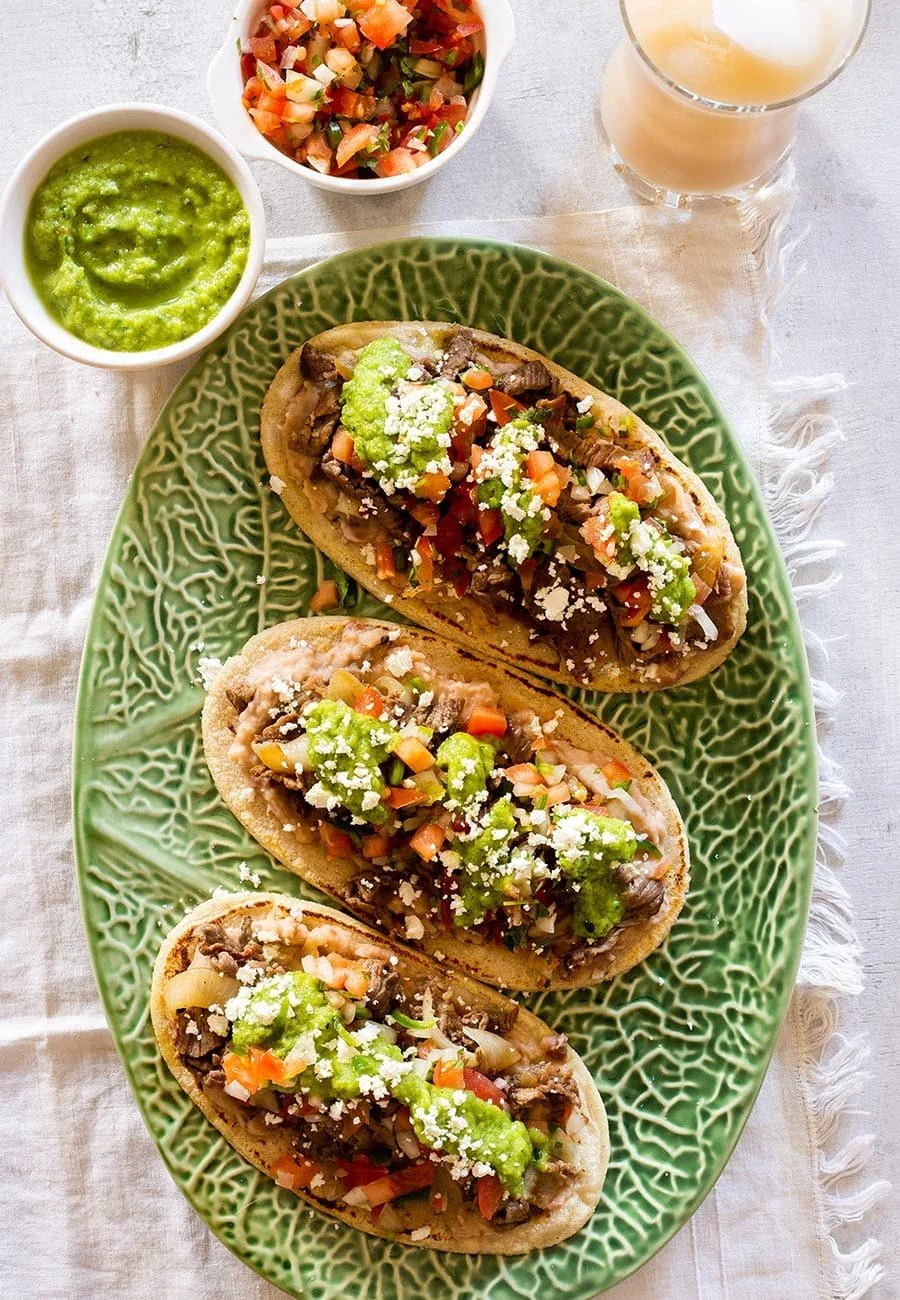
Huaraches, named for their resemblance to traditional Mexican sandals, stretch masa into oblong shapes 7-8 inches long. Unlike sopes, huaraches remain flat rather than bowl-shaped, with toppings piled high on the surface. The thicker masa base provides structural integrity, allowing diners to pick up and eat these loaded creations without utensils. Traditional toppings mirror those of sopes, but the elongated shape creates different proportions in each bite—sometimes more bean-forward, sometimes meat-heavy, ensuring variety throughout the eating experience.
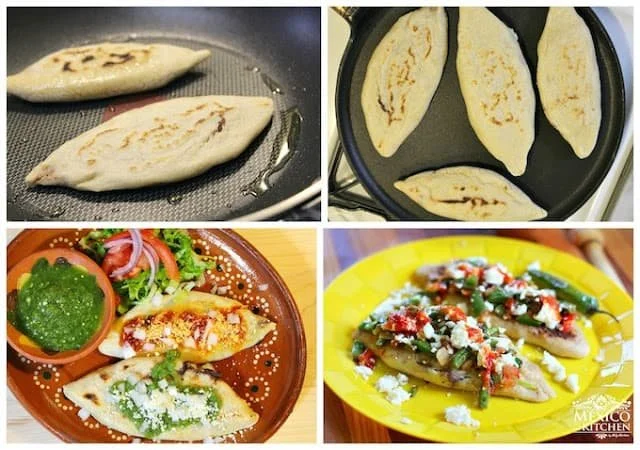
Tlacoyos showcase pre-Hispanic culinary wisdom. These oval or football-shaped masa cakes are stuffed with refried beans or fava beans before cooking, then topped with nopales (cactus paddles), salsa, Mexican crema, and queso fresco. The technique resembles making pupusas—forming a masa disc, adding filling, sealing the edges, then flattening—but tlacoyos achieve a distinct torpedo shape rather than a round one. Blue corn masa frequently appears in tlacoyos, providing a striking visual presentation and slightly earthier flavor. Street vendors in central Mexico prepare these to order on charcoal-heated comales, the traditional flat griddles that have cooked masa for thousands of years.
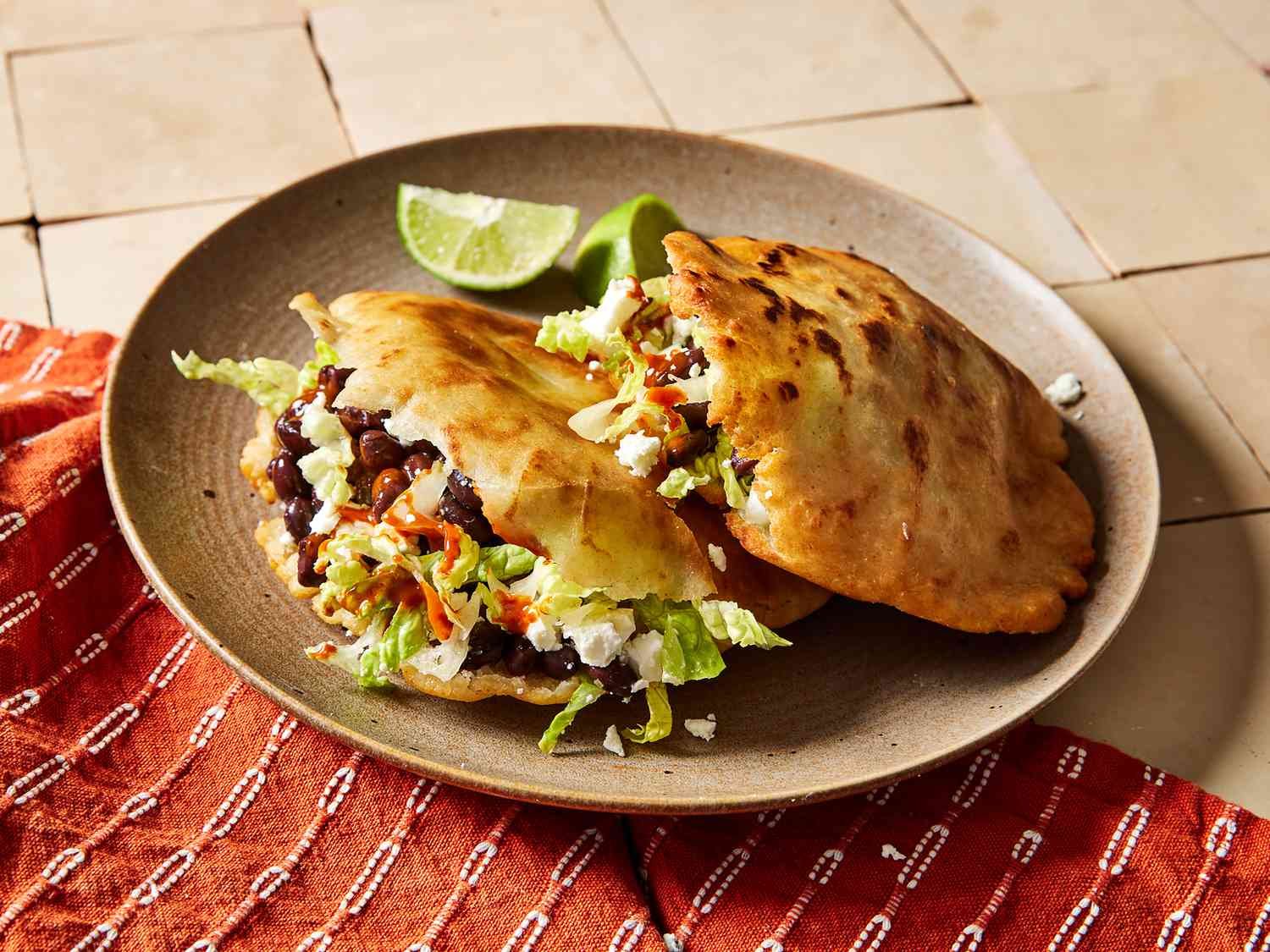
Gorditas—literally "little fat ones"—live up to their name with thick, puffy masa discs that are griddled or fried, then sliced open like pita bread. The pocket created by splitting the gordita holds generous amounts of filling: papas con chorizo (potatoes with spiced sausage), nopales con huevo (cactus with scrambled eggs), lengua guisada (braised beef tongue), or beans with cheese. Regional variations abound, with some gorditas incorporating cheese directly into the masa dough, others adding leavening agents for extra puffiness, and still others using specific local corn varieties that impart distinctive flavors.
Tamales: The Ultimate Masa Canvas
If street snacks represent masa's quick, informal side, tamales embody its ceremonial, celebratory nature. With an estimated 600 to 700 varieties documented across Mexico, tamales demonstrate extraordinary regional diversity. Each variation tells a story about local ingredients, cooking traditions, and cultural preferences.
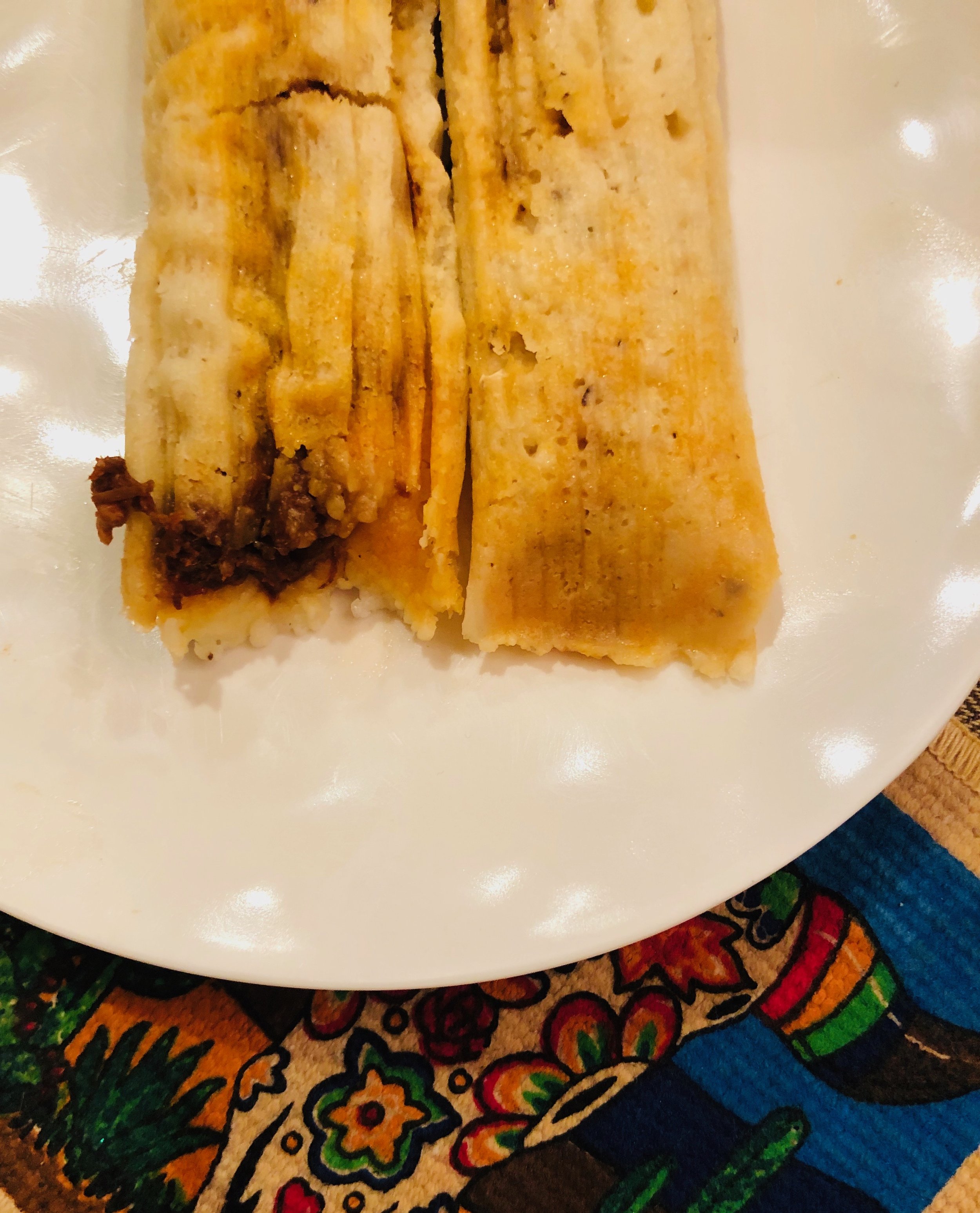
The basic tamal structure remains consistent: masa mixed with fat (lard, butter, or vegetable shortening), moistened with broth or water, seasoned, filled, wrapped in corn husks or banana leaves, and steamed until fluffy. Yet within this framework, creativity flourishes.
Savory tamales dominate most celebrations. Classic pork in red chile sauce—a Christmas staple in many households—fills countless Mexican tables during Nochebuena. Chicken tinga, beef birria, and slow-cooked lamb barbacoa provide rich, spiced fillings. Tamales de rajas con queso combine roasted green chiles and cheese simmered in suero (whey) for tangy, creamy flavor. Vegetarian options showcase beans, cheese, peppers, or vegetables.
Regional specialties reveal local terroir and history. Yucatán's mucbilpollos are massive tamales tinted orange with achiote (annatto), layered in dishes lined with banana leaves, alternating with salsa made from garlic, black pepper, and allspice, plus red onion, sweet chiles, and habanero. Traditionally cooked in underground ovens, mucbilpollos appear during Día de Muertos celebrations, served alongside hot cacao. Chiapas offers tamales de chipilín, with masa mixed with chipilín—an aromatic herb native to the region—wrapped in banana leaves and served with tomato sauce and crumbled cheese.
Sweet tamales deserve equal attention. The classic variety features cinnamon and raisins, often tinted pink for visual appeal. Pineapple, chocolate, peaches in syrup, mango, and strawberry provide fruity alternatives. Pumpkin spice tamales have gained popularity as a seasonal fall treat, filled with pumpkin purée, warm spices, and vanilla, then drizzled with condensed milk and sprinkled with pecans or pomegranate seeds. These sweet versions use the same masa base as savory tamales but incorporate sugar or piloncillo (unrefined cane sugar) for sweetness.
Tamales traditionally pair with atole or champurrado—masa-based beverages that complete the meal. This combination of steamed masa bundle and warm masa drink represents comfort food at its finest, particularly during cold winter mornings or late-night gatherings.
Beverages: Drinking Your Masa
The concept of drinking masa might seem unusual to those unfamiliar with Mexican culinary traditions, yet these beverages have sustained communities since pre-Hispanic times. **Atole**, the foundational drink, combines masa with water and sweetener, boiled until thickened to a consistency between hot chocolate and pudding. The Aztecs considered atole sacred, serving it during rituals and ceremonies. Different regions flavor atole with fruits, grains, spices, or vanilla, creating dozens of variations.
Champurrado elevates atole by adding Mexican chocolate, piloncillo, and warming spices like cinnamon, anise seed, or vanilla. This chocolate-based atole becomes especially popular during Christmas and New Year celebrations, served alongside tamales or churros. The masa provides body and subtle corn flavor that balances the richness of chocolate. Unlike conventional hot chocolate, which can feel one-dimensional, champurrado offers complex layers: the earthy sweetness of piloncillo, the gentle spice of cinnamon, the deep chocolate notes, and the grounding corn base that ties everything together.
The preparation requires patience. Masa harina must be mixed with water until smooth and lump-free—using a whisk or immersion blender helps achieve the right consistency. Meanwhile, piloncillo dissolves in simmering water with cinnamon sticks. Mexican chocolate (which already contains cinnamon and sometimes almonds) is added and stirred until melted. Finally, the masa mixture is gradually incorporated, whisked constantly to prevent lumps, and simmered until the drink thickens. The result is a warming, nourishing beverage that provides sustained energy—perfect for cold mornings or late nights.
Baked Goods and Desserts: Masa's Sweet Side
While less traditional than savory applications, masa shines in contemporary baking, offering unique flavor and naturally gluten-free properties that appeal to modern cooks.
Masa cookies have emerged as a favorite among bakers exploring alternative flours. The basic formula combines masa harina with all-purpose flour (or uses masa alone for gluten-free versions), butter, sugar, eggs, and flavorings. The masa contributes a light, slightly chewy texture distinct from wheat-based cookies, with a subtle corn flavor that pairs beautifully with chocolate, citrus, or warm spices. Orange glaze proves particularly complementary—the bright citrus notes enhance masa's natural sweetness while cutting through its earthy undertones.
More adventurous bakers toast masa harina in a dry skillet before incorporating it into cookie dough, intensifying the nutty corn flavor. Brown butter adds another layer of complexity, while incorporating dark chocolate chunks (66% cacao or higher) and finishing with flaky sea salt creates sophisticated cookies that rival any wheat-based version. The masa provides structure without the toughness that can result from overworking wheat dough, since masa lacks gluten entirely.
Masa cornbread offers a last-minute bread option when you've forgotten to start sourdough or soak traditional cornbread batter. Because nixtamalization has already processed the corn, masa requires no soaking or fermentation—a significant time-saver. The resulting cornbread delivers intense corn flavor and less sweetness than cake-mix versions, serving as the perfect vehicle for butter, honey, or alongside chili and stews.
Creative bakers have pushed masa into unexpected territories: masa pancakes made from eggs, milk, masa, and baking powder provide a hearty gluten-free breakfast. Masa muffins, masa shortbread, and even masa custard demonstrate this ingredient's versatility. The key is understanding that masa behaves differently than wheat flour—it absorbs less liquid, creates denser textures, and contributes distinct flavor that works best when embraced rather than masked.
Regional Specialties: Deep Cuts from Mexico's Culinary Regions
Beyond the well-known applications, regional Mexican cuisine offers lesser-known masa preparations that deserve wider recognition.
Memelas (also called picadas) from Oaxaca and the Isthmus of Tehuantepec are large, thick corn tortillas griddled until lightly crisped, then generously smeared with refried beans. This substantial base becomes a canvas for creativity—topped with meat, cheese, nopales, pickled onions, salsa, and crema. Unlike tacos or tostadas, memelas are eaten leisurely with fork and knife, their size and heft making them a proper meal rather than a quick snack. Market vendors prepare these to order, fanning charcoal embers under metal comales while arranging ingredients like painters working their palette.
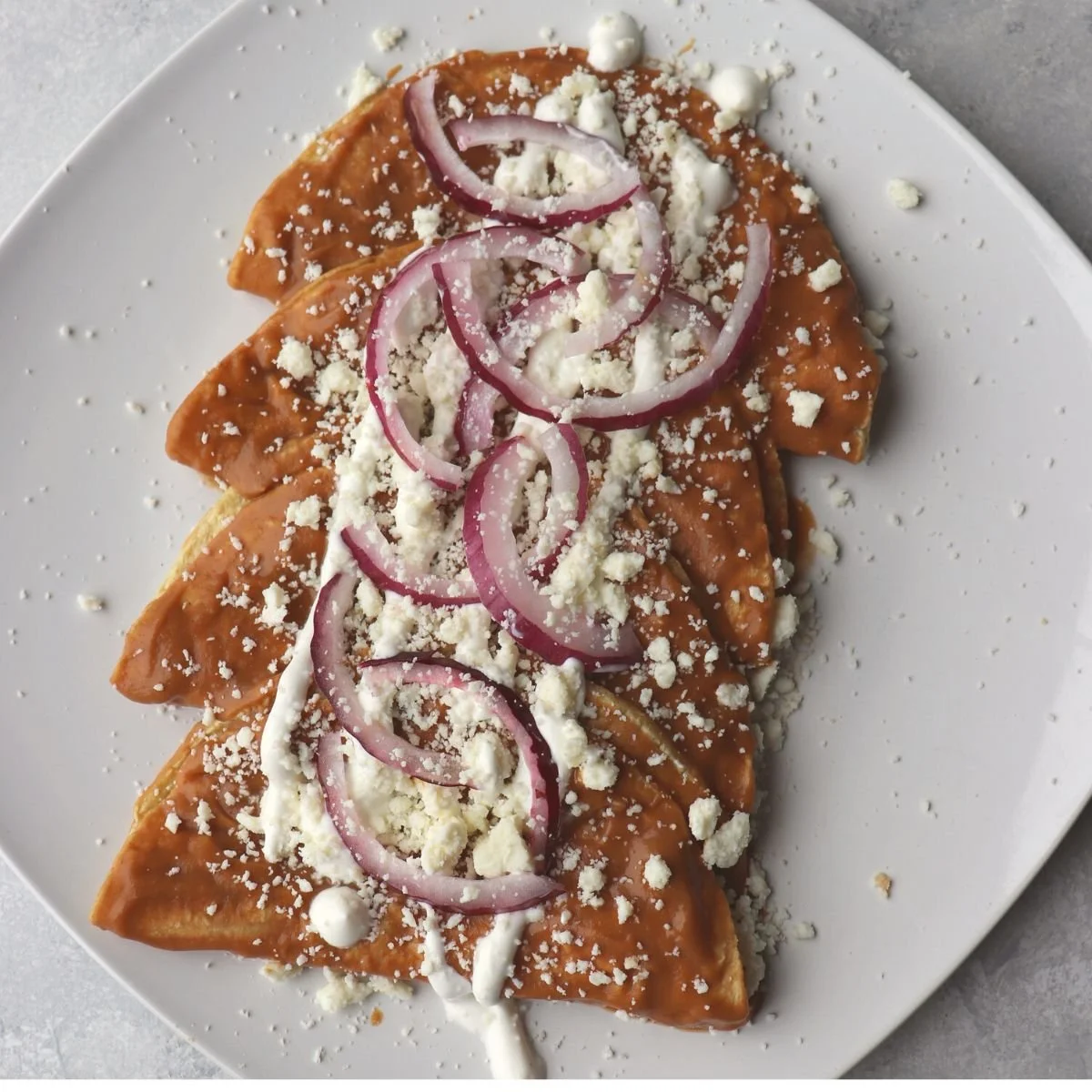
**Garnachas** from Veracruz state are small, thick corn tortillas fried until crispy, then topped with a simple trinity of flavors: salsa roja, finely shredded beef or chicken, and thin-sliced white onion. What makes garnachas special is their balance—each bite delivers the comfort of warm masa, the tang of tomato-forward salsa, and the savory depth of slow-cooked meat in perfect proportion. They're typically purchased by the dozen from street stalls that open at night, where the aroma alone stops pedestrians mid-stride.
Quesadillas in central Mexico bear little resemblance to the cheese-filled flour tortilla versions common in the United States. Authentic Mexican quesadillas use fresh masa folded over fillings that may or may not include cheese. Popular fillings include huitlacoche (corn fungus), squash blossoms, wild mushrooms, rajas con crema (poblano strips in cream), nopales, or chorizo. The masa is often blue corn, providing striking visual appeal. These quesadillas are griddled on a comal until the edges crisp while the filling steams within—a textural masterpiece.
Huitlacoche: Masa's Most Unusual Partner
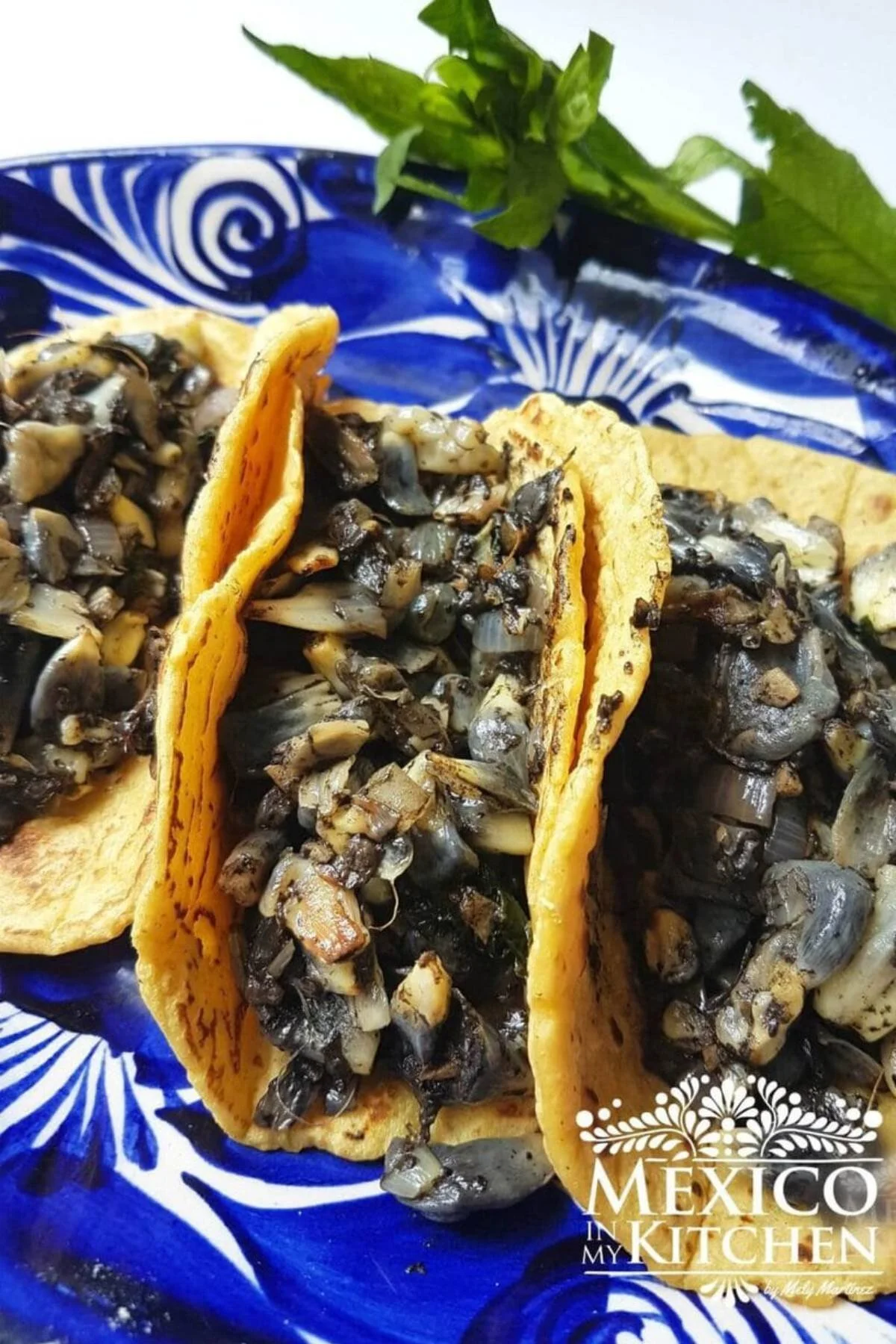
No discussion of masa applications would be complete without addressing huitlacoche, the corn fungus known less flatteringly in English as "corn smut." While American farmers spend thousands destroying fungus-infected corn, Mexicans prize this delicacy, paying premium prices for fresh specimens.
Huitlacoche (Ustilago maydis) transforms infected corn kernels into enlarged, deformed masses that are silver-gray when fresh, turning inky black when cooked. The flavor profile resembles mushrooms with earthy, umami-rich notes. Preparation typically involves sautéing huitlacoche with onions, garlic, poblano chile strips, and epazote until the plump clusters deflate and turn glossy black. This mixture then fills quesadillas, tamales, or serves as a taco filling.
The combination of huitlacoche and masa creates something greater than the sum of its parts. Masa's subtle corn sweetness provides the perfect backdrop for huitlacoche's intense savoriness, while the fungus adds moisture and richness that keeps masa-based dishes from becoming dry. When stuffed into fresh masa quesadillas with melting Oaxaca cheese, huitlacoche elevates simple street food into something extraordinary proof that Mexican cuisine has always understood how to transform humble ingredients into culinary treasures.
The Gluten-Free Advantage
As awareness of celiac disease and gluten sensitivity has grown, masa has gained recognition as a naturally gluten-free alternative to wheat flour. Unlike many gluten-free substitutes that require complex blends to approximate wheat's properties, masa stands alone as a complete ingredient with thousands of years of culinary tradition behind it.
Masa harina ranks high in fiber and magnesium compared to refined wheat flour. It provides substantial niacin (vitamin B3)—essential for converting food into energy, supporting nervous system health, potentially lowering cholesterol, aiding DNA repair, easing arthritis, and boosting brain function. Research comparing nixtamalized tortillas to those made from fresh corn found that commercial masa harina contained 11 to 18 times more B vitamins than tortillas made from untreated corn, due to fortification requirements and the nixtamalization process itself.
The protein quality in masa also deserves attention. While landrace corn varieties contain higher total protein (averaging 10.28%), tortillas made from dry masa flour (DMF) demonstrated the highest protein quality when measured by protein digestibility-corrected amino acid score (PDCAAS)—representing 19-27% more digestible protein than other types. This superior digestibility matters more for nutrition than raw protein content.
Fresh Masa vs. Masa Harina: Understanding the Difference
The debate between fresh masa and masa harina mirrors similar discussions in cooking: fresh versus dried pasta, whole spices versus ground, stone-ground versus commercial flour. Each has advantages depending on context, priorities, and availability.
**Fresh masa** (masa preparada) offers unmatched flavor and texture. The aroma of freshly ground nixtamal is intoxicating even before mixing with water. High-quality fresh masa produces tortillas that are soft, pillowy, and elastic in ways that masa harina struggles to replicate. However, fresh masa has a shelf life of only one to two days and must be frozen for longer storage. Its availability is limited—most people can only access fresh masa from tortillerías in areas with substantial Mexican populations.
**Masa harina** provides convenience, consistency, and shelf stability. Properly stored in a sealed container, masa harina lasts months without refrigeration. It requires only warm water to transform into workable dough. Quality varies dramatically by brand—heirloom masa harina made from single-origin corn using traditional nixtamalization and slow drying processes delivers flavor and texture approaching fresh masa, while industrial versions made from degerminated, bleached corn flash-dried at 750°F for four seconds produce inferior results.
For most home cooks, high-quality masa harina represents the practical choice, offering 90% of fresh masa's performance with vastly greater convenience. Specialty brands that source heirloom corn, maintain traditional processing methods, and avoid shortcuts provide results that satisfy even discerning cooks.
Practical Applications: Getting Started with Masa
For readers inspired to explore masa beyond tortillas, starting with simple applications builds confidence before attempting more complex preparations.
**Pupusas** offer an ideal entry point. The dough requires only masa harina, salt, and warm water mixed to a smooth, pliable consistency. Form a golf ball-sized portion, press into a disc, add a spoonful of cheese or beans, seal the edges, and gently flatten. Cook on a hot griddle for 5-6 minutes per side. Served with store-bought or homemade curtido, pupusas make a satisfying meal that impresses guests while requiring minimal skill.
**Sopes** demand only slightly more technique. Form masa into small discs, cook partially on a griddle, then pinch the edges upward while still warm to create the characteristic bowl shape. Return to the griddle to finish cooking, then load with toppings. The pinching technique requires practice, but mistakes still taste delicious.
**Atole or champurrado** eliminate shaping challenges entirely. Whisk masa harina into water until smooth, add to simmering sweetened water (with chocolate for champurrado), and stir until thickened. The worst-case scenario is lumpy atole, easily fixed with a whisk or immersion blender.
**Masa cookies** leverage familiar baking techniques while introducing new flavors. Follow any recipe for masa harina cookies, understanding that the dough will feel different from wheat-based versions—less elastic, more crumbly when dry, tackier when properly hydrated. The results justify the adjustment period.