

Cheeses of Mexico: From Queso Fresco to Queso Oaxaca
The supermarket cheese aisle in the United States tells a predictable story: blocks of cheddar in various sharpness levels, vacuum-sealed mozzarella, wheels of Gouda, wedges of Brie. Walk down that same aisle in Mexico, and you encounter an entirely different narrative—one written not in centuries-old European traditions but in the culinary fusion that emerged when Spanish colonization brought dairy animals to a land that had never known them. The result is a cheese-making tradition that spans barely 500 years yet has produced between 20 and 40 distinct varieties, each telling stories of regional adaptation, immigrant contributions, and the blending of Old World techniques with New World tastes.
Unlike French or Italian cheese traditions that evolved over millennia, Mexican cheese-making represents something rarer: a fully documented transformation of foodways in real time. Understanding these cheeses means understanding Mexican history itself—from the arrival of conquistadors in 1521 to Mennonite immigration in the 1920s, from colonial hacienda wealth to artisanal family operations that have passed knowledge orally through generations.
The Spanish Conquest: When Dairy Arrived
Before 1521, the Mesoamerican diet contained no dairy whatsoever. Cattle, goats, and sheep simply didn't exist in the Americas. Spanish conquistadors changed this permanently, bringing not only the animals but also their cheese-making expertise. The first cheeses produced in New Spain were direct recreations of Spanish varieties like manchego. Yet these foreign cheeses couldn't remain unchanged. As European and indigenous populations blended—culturally, culinarily, genetically—cheese-making techniques adapted to suit mestizo tastes.
This adaptation varied dramatically by region. Coastal areas with different climates developed different preservation techniques than highland regions. Areas with substantial indigenous populations incorporated different flavor profiles than those dominated by European settlers. The diversity of environments, microbes, pastures, and cultural preferences created the foundation for Mexico's extraordinary cheese biodiversity.
Following Mexican independence in 1821, fresh cow's milk cheeses became more common as domestic production expanded beyond colonial control. Cheese-making evolved from an imposed European practice into something authentically Mexican—techniques refined not in monasteries or Alpine dairies but in the specific conditions of the Mexican landscape.
Fresh Cheeses: The Foundation
Mexican cuisine's relationship with cheese skews decidedly toward fresh varieties—cheeses consumed within days or weeks of production rather than aged for months or years. This preference reflects both climate realities (fresh cheeses spoil less quickly in heat than aged varieties) and culinary traditions that value mild, milky flavors that complement rather than overpower other ingredients.
We offer catering services in and around Austin, TX and Texas Hill Country. Inquire HERE.
Queso fresco—literally "fresh cheese"—represents the archetype. White, soft, and crumbly with a texture resembling feta, queso fresco can be either salty or mild depending on the producer. Traditionally made from raw cow's milk or a combination of cow and goat milk, it delivers a bolder, tangier flavor than mozzarella while remaining smoother and less sharp than goat cheese. As a humble farmers cheese requiring no complex aging techniques, queso fresco democratized cheese-making, allowing small-scale producers to create quality cheese without specialized aging facilities.
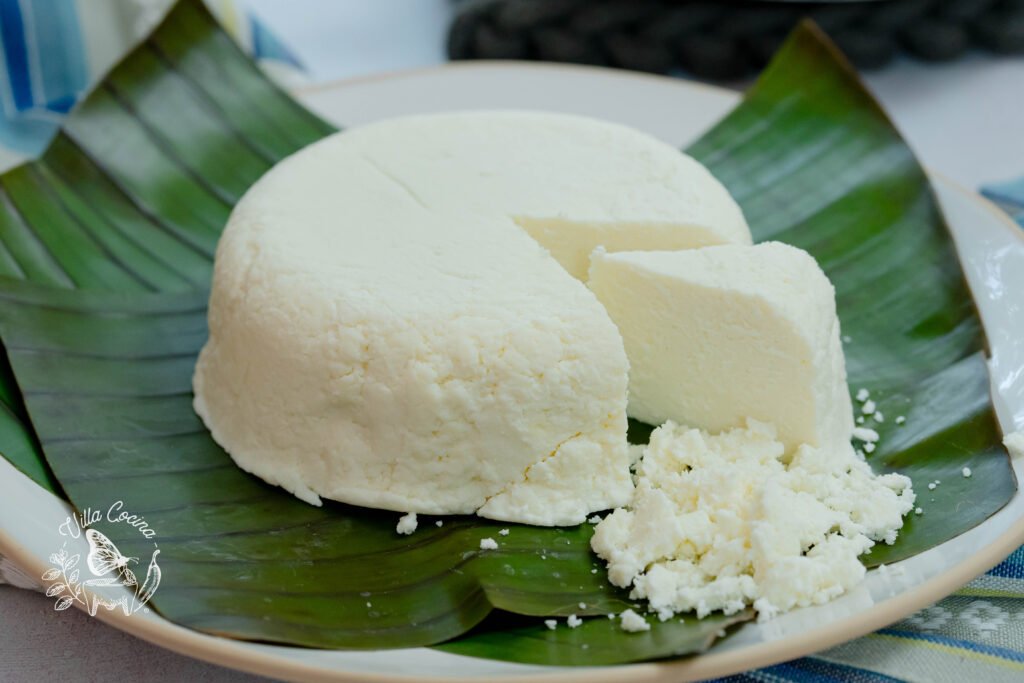
Queso fresco appears everywhere in Mexican cuisine: crumbled over tacos, sprinkled atop refried beans, garnishing guacamole, enriching salads. Its mild, salty character enhances dishes without dominating them, providing textural contrast and a gentle dairy accent.
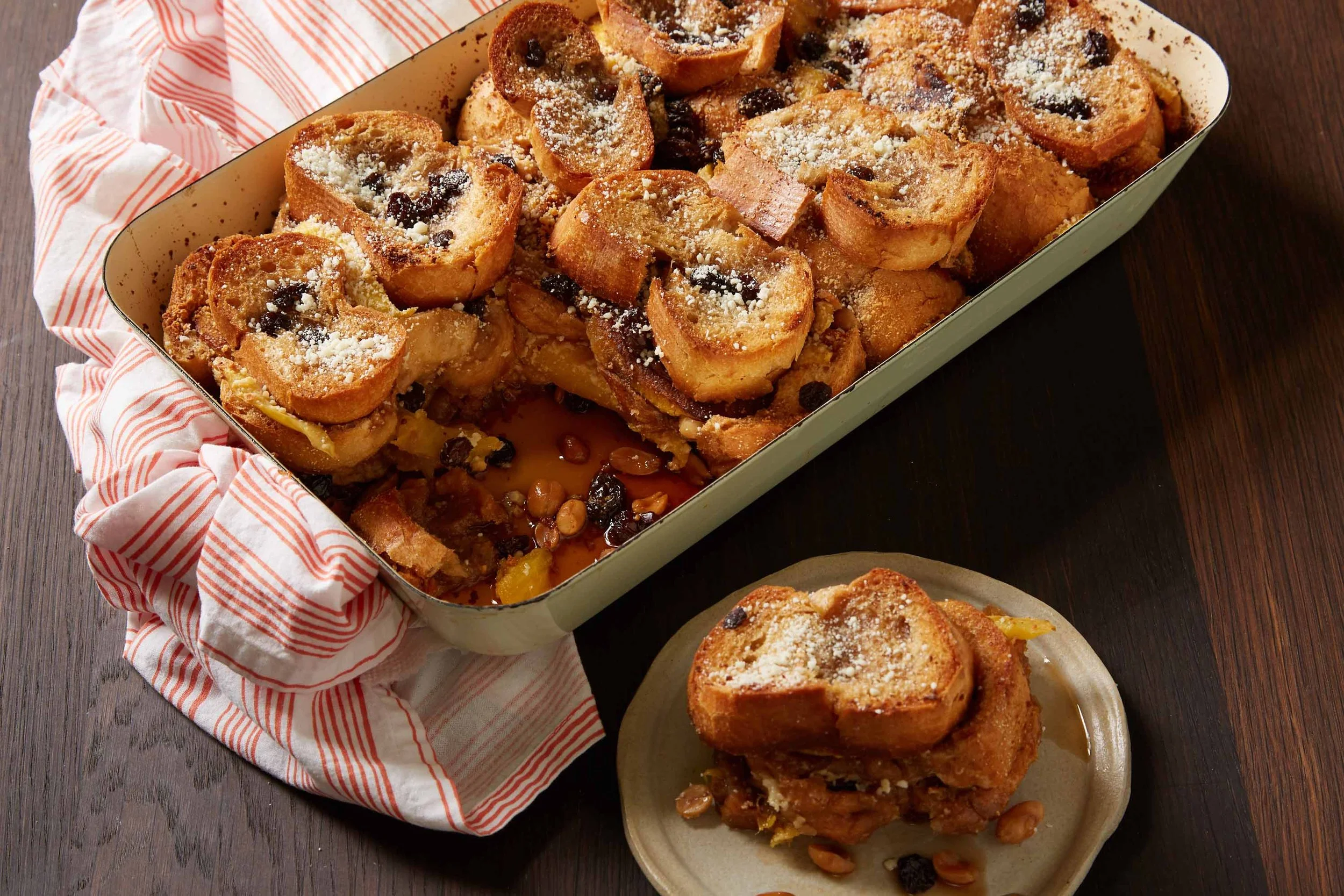
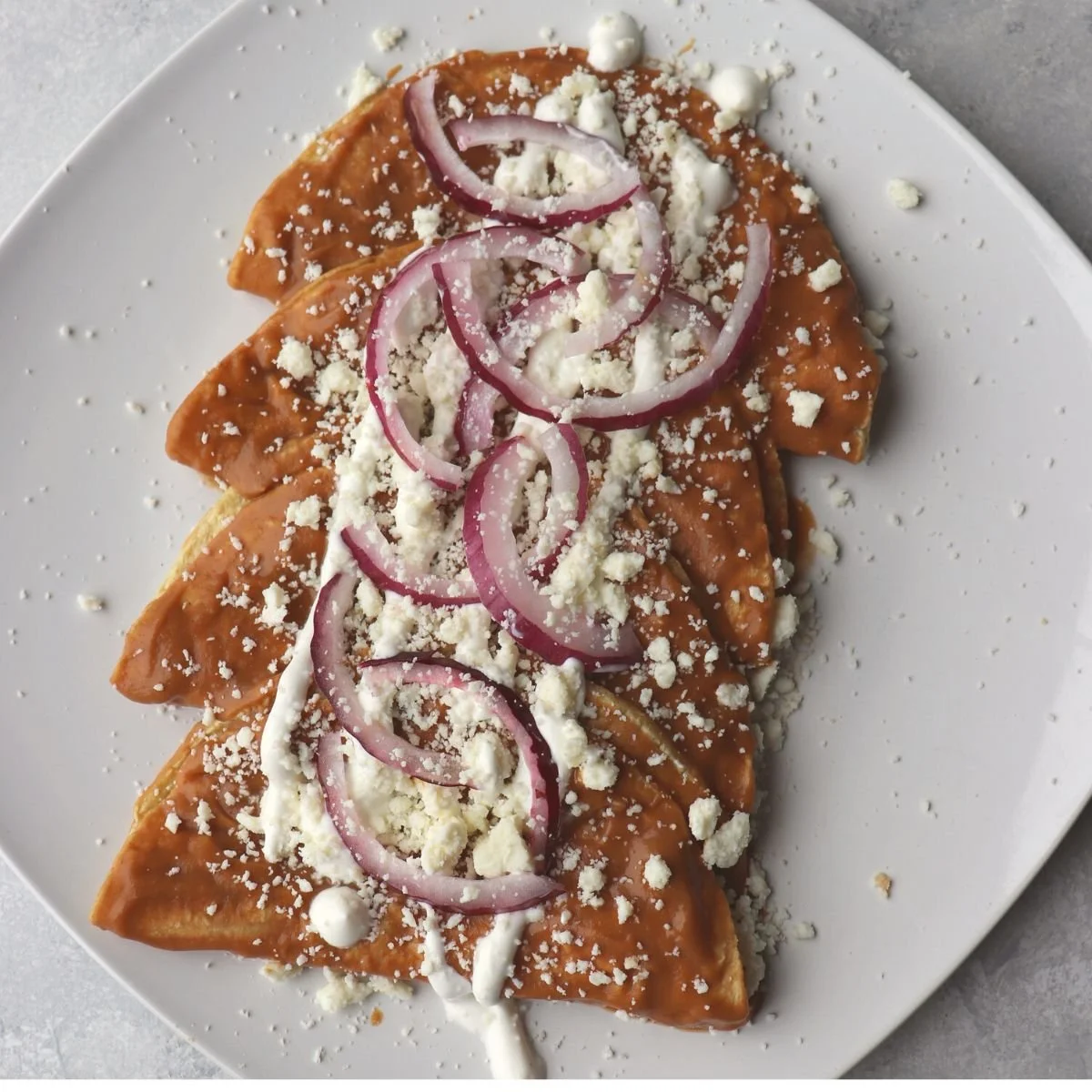
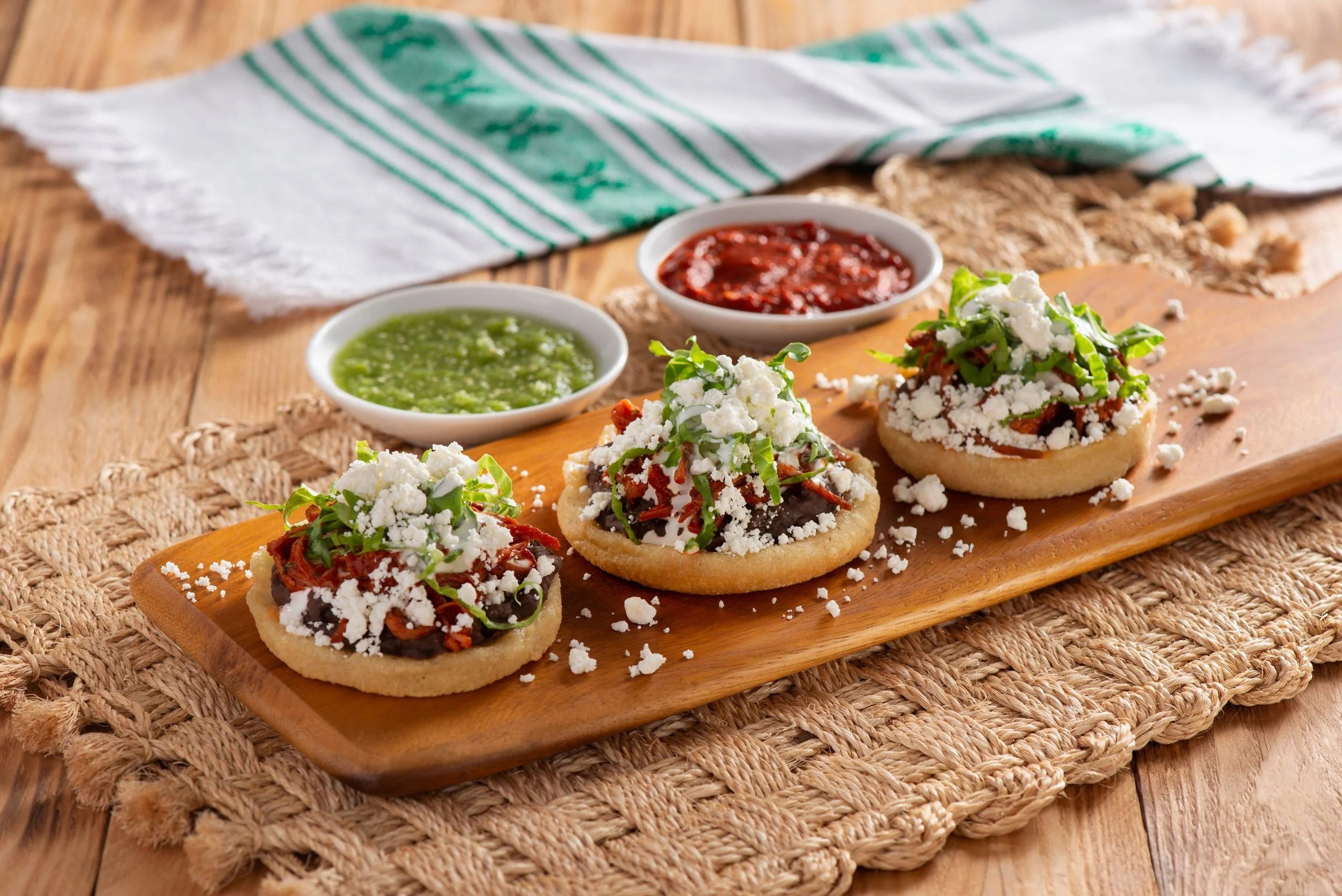
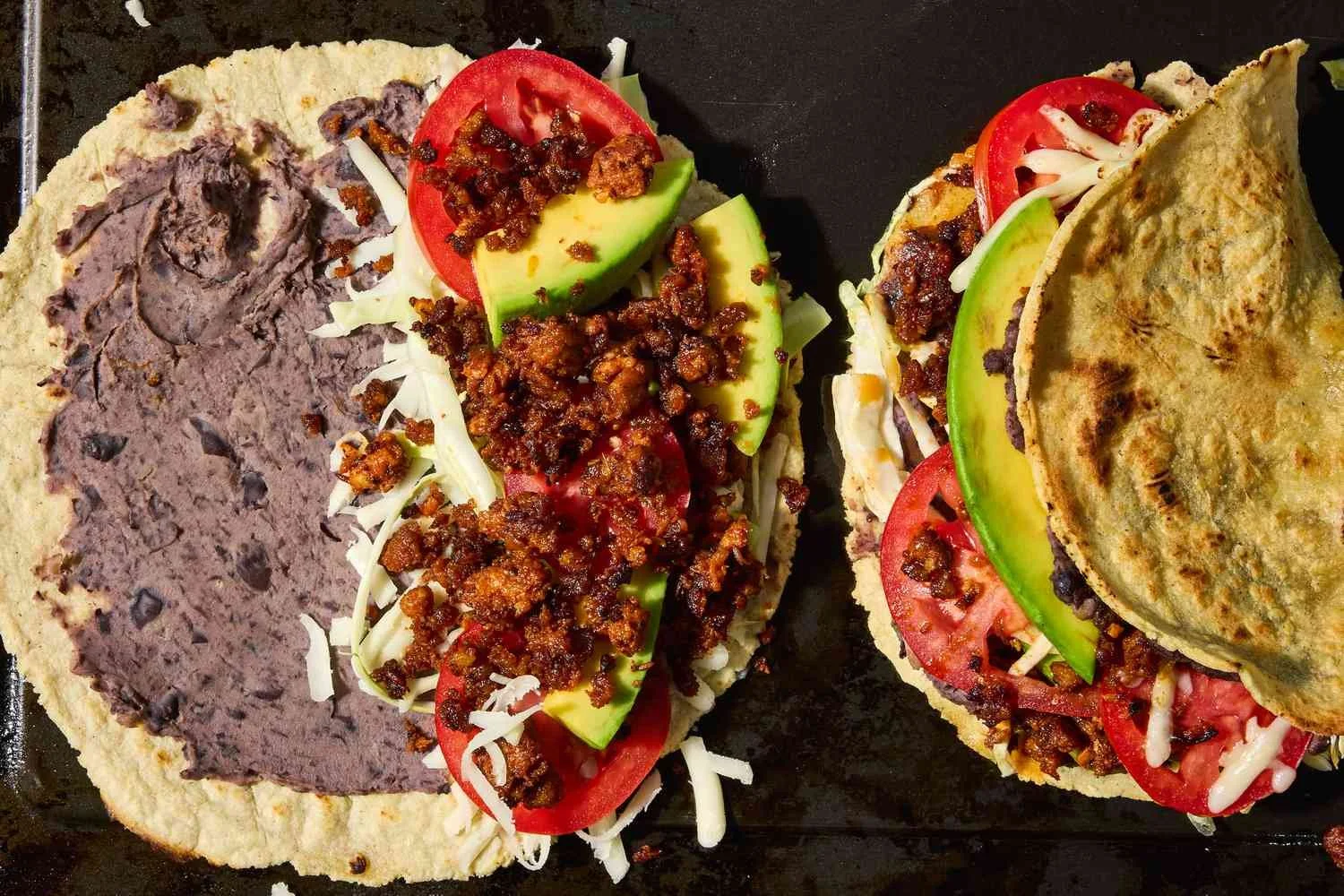
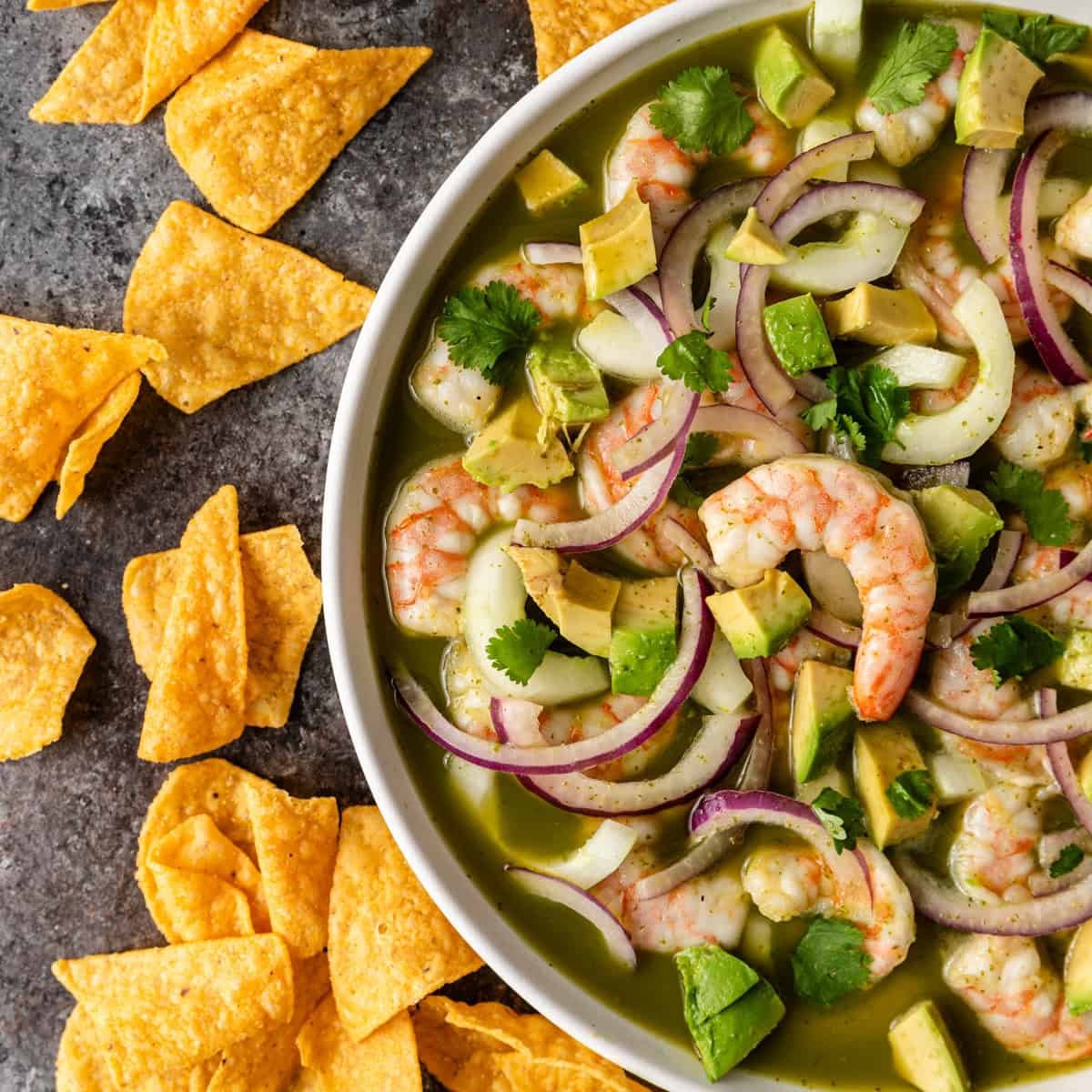
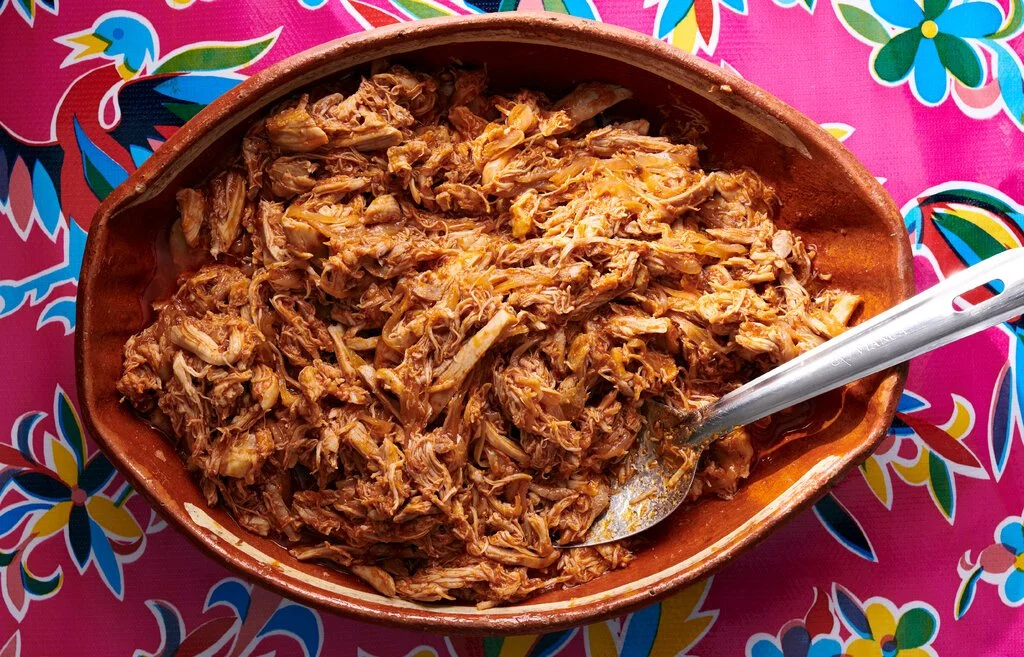
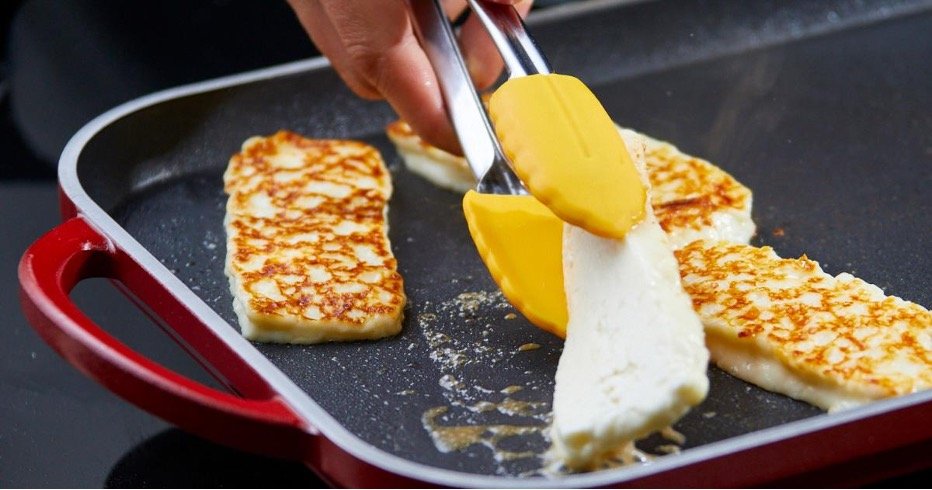
Panela shares queso fresco's fresh character but diverges in production method. Made with skim milk rather than whole milk, panela achieves a firmer, more flexible texture. Most remarkably, panela doesn't melt when heated—a property that makes it ideal for grilling or frying. When bitten, panela "squeaks" against teeth like fresh cheese curds, signaling its freshness. Beyond cooking, many Mexicans enjoy panela plain as a snack or sliced into sandwiches.
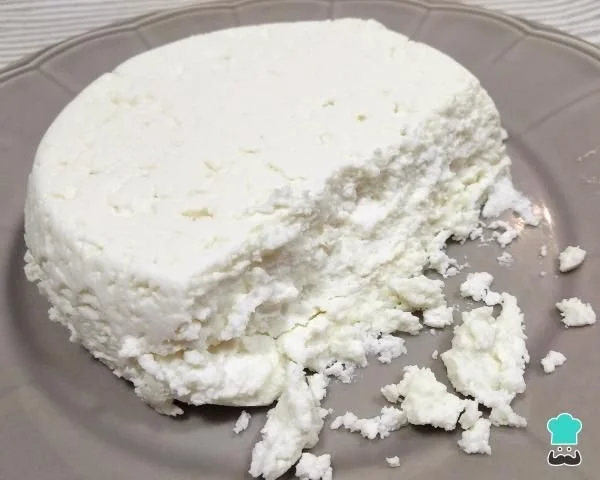
Requesón, Mexico's answer to Italian ricotta, represents the mild, spreadable end of the fresh cheese spectrum. This soft cheese, similar to cottage cheese in appearance, lacks the saltiness of queso fresco and panela. Its creamy, easily spread consistency makes requesón ideal for fillings—stuffed into enchiladas, empanadas, or gorditas, where it provides richness without competing flavors.
Aged Cheeses: Developing Complexity
While fresh cheeses dominate Mexican cuisine, aged varieties provide the sharp, salty, umami-rich notes that certain dishes demand.
Cotija, named for the town of Cotija in Michoacán, has earned designation as "Mexico's Parmesan". This aged, hard cheese develops a dry, crumbly texture and sharp, salty flavor through months of aging. Traditional cotija production remains remarkably specific: made only during the rainy season (July through October) in the Sierra Jalmich mountain region, using raw milk from cows grazing on fresh, rain-fed pastures. This cheese is then aged for a minimum of two months, developing the complex, hay-like flavors and pronounced umami that characterize exceptional cotija.
The production requirements prove demanding: creating just one kilogram of authentic mountain cotija requires 220 liters of milk and 600 liters of water. This labor-intensive process, maintained by small producers based on family networks for approximately 400 years, creates a cheese unlike any other. Regional variations add further complexity—Jalisco's cotija tends toward suppleness and grills beautifully, Querétaro's version features a rind flavored with dried chilis, vinegar, and garlic, while Chiapas produces the firmest, least salty variant.
Like Parmesan, cotija doesn't melt but rather softens when heated, making it ideal for sprinkling over finished dishes: elote (Mexican street corn), refried beans, salads, soups, or pasta. Its concentrated flavor means a little goes far, providing savory depth without overwhelming subtler ingredients.
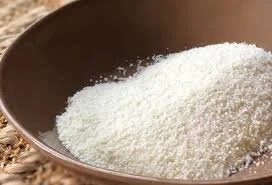
Queso añejo—"aged cheese"—represents the matured version of queso fresco. While sharing queso fresco's crumbly texture, añejo develops significantly more hardness and sharpness through aging. This transformation makes añejo suitable for baking and grilling applications where queso fresco would simply fall apart. Like cotija, añejo commonly appears as a topping for refried beans and salads, providing sharper, more assertive flavor than its fresh counterpart.
Melting Cheeses: The Quesadilla Champions
For quesadillas, queso fundido, enchiladas, and countless other melted cheese applications, Mexican cuisine relies on string cheeses with superior melting properties.
Queso Oaxaca—also called quesillo—represents one of Mexico's most visually distinctive cheeses. Wound into balls resembling skeins of yarn, this soft white string cheese melts beautifully without turning watery or separating. The production method reveals unexpected European origins: queso Oaxaca employs the Italian pasta filata technique, the same method used for mozzarella. Dominican friars brought this technique to Mexico in the early 1500s, where it was adapted to local conditions and preferences.
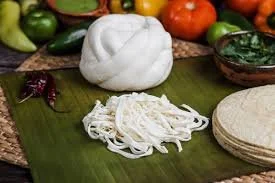
Traditional quesillo production requires exceptional skill. Starting with fresh cow's milk, producers add rennet (traditionally prepared by soaking cleaned cow stomach in lime water and salt) to coagulate the milk. After the curds separate from whey and sit for approximately ten hours, the real artistry begins. Artisan producers knead the curds in hot water, which melts the cheese and makes it elastic. They then stretch it into long, flat ribbons—pulling, dipping in hot water, pulling again—before cooling the ribbons in saltwater. Remarkably, salt is applied to only one side of the cheese during this process. Finally, the ribbons are wound into the characteristic ball shape and allowed to rest briefly without air exposure before sale.
This labor-intensive process yields approximately one kilogram of cheese from ten liters of milk. The result is a mild, buttery cheese with texture similar to young Monterey Jack but with superior melting characteristics. Its gentle flavor makes it a "kid favorite" and the most commonly used cheese in quesadillas, where it provides gooey, stringy texture without overpowering other fillings. Beyond quesadillas, queso Oaxaca excels in enchiladas and chiles rellenos—any application where melted cheese plays a starring role.
Queso Chihuahua—also known as queso menonita—carries a fascinating immigration story. In the 1920s, Dutch and German Mennonite communities relocated to Mexico's northern state of Chihuahua, seeking religious freedom and agricultural opportunity. They brought with them cheese-making traditions that flourished in Chihuahua's cattle country. By the late 1920s, approximately 10,000 Mennonites had settled in the state, and by the 1930s, their signature cheese had become widely available throughout Mexico.
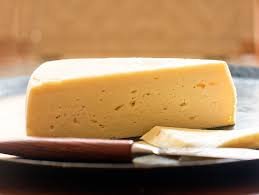
This semi-soft cheese, aged three to six weeks, ranges from pale yellow to white and resembles mild cheddar or Monterey Jack in both flavor and texture. It shreds easily and melts wonderfully, making it ideal for queso fundido (Mexican cheese fondue), choriqueso, quesadillas, chilaquiles, and chile con queso. The flavor varies with aging—younger versions remain quite mild, while longer-aged specimens develop pleasant tanginess. While Mennonite communities in Cuauhtémoc, Chihuahua still produce traditional queso menonita, commercial dairies throughout Mexico now make the cheese, spreading its popularity nationwide.
Queso asadero, sometimes called "queso quesadilla," represents another excellent melting cheese. This soft, white, creamy cheese melts so smoothly that some cooks use it for pizza as well as quesadillas and queso fundido. Its mild taste and reliable melting properties make it a versatile choice when you need cheese that will cooperate under heat without turning greasy or grainy.
Regional Specialties: Cheeses with Stories
Beyond the widely available varieties, Mexico produces numerous regional cheeses that tell specific local stories
Queso de bola describes two distinct cheeses sharing a name. In Ocosingo, Chiapas, queso de bola refers to an unusual artisanal cheese formed from two cheeses bundled together—one wrapped inside the other—creating a hard, spherical form weighing approximately one kilogram. This peculiar production process, passed down through generations since cattle arrived in the region, remains specific to Ocosingo.
In Yucatán, queso de bola refers to something entirely different: Dutch Edam cheese that has become so integral to Yucatecan cuisine that some consider it locally Mexican. The story begins in the late 19th century, when Yucatán exported vast quantities of sisal fiber—"green gold"—to European markets. Ships arriving to collect sisal brought European goods on the return journey, including Edam cheese from the Netherlands. The cheese's red wax coating made it ideal for long voyages and storage in Yucatán's tropical heat.
According to local lore, wealthy hacienda owners would cut a small opening in the cheese ball and scoop out the soft interior with a spoon, discarding the harder rind clinging to the wax. Henequen farm workers salvaged these discarded rinds and discovered that cooking vegetables inside them created delicious results—the birth of queso relleno, one of Yucatán's most iconic dishes. Today, queso relleno features a hollowed Edam sphere stuffed with spiced ground pork, almonds, raisins, olives, and capers, served with k'ool (a traditional Mayan corn-flour sauce) and tomato sauce.
The cheese has become so culturally embedded that anthropologist Steffan Igor Ayora Díaz wrote that "for a dish to be considered 'Yucatecan,' cooks usually choose between Dutch Edam and fresh cheese". When Edam prices spiked over 100% in early 2025 due to supply chain disruptions, Yucatecans experienced it as a cultural crisis, with restaurants scrambling to adapt recipes and home cooks hoarding what little remained.
Queso Poro de Balancán from Tabasco state represents the kind of artisanal regional variety that risks disappearing despite over 50 years of production history. Recently granted collective trademark protection, this cheese employs traditional techniques: milk matures for three to five hours at ambient temperature to develop natural microflora, then rennet initiates coagulation lasting two to eight hours, creating highly acidic curds. The curds drain overnight in suspended cotton bags until reaching pH 4.5, then undergo kneading, salting, molding, and pressing in rustic wooden or metal presses. The finished cheese, sold in rectangular pieces wrapped in distinctive three-layer packaging (plastic film, aluminum foil, and yellow or red cellophane), represents hyperlocal knowledge refined over generations.
Crema: Mexico's Answer to Crème Fraîche
Crema Mexicana—Mexican table cream—occupies an essential place in Mexican cuisine despite being a cream rather than true cheese. Think of it as Mexico's answer to French crème fraîche or American sour cream, but with its own distinct character. Lighter in consistency than heavy cream, crema delivers a rich, creamy taste with natural buttery sweetness and mild tanginess.
Traditional crema combines cow's milk with additional cream, creating a pourable, silky texture that forms an elegant white lace when drizzled over dishes. Home cooks can make excellent crema by mixing heavy cream with sour cream and buttermilk (or lime juice), then allowing the mixture to sit at room temperature for four to six hours until thickened. The result can be flavored with cumin, cilantro, chipotle peppers, or citrus zest to complement specific dishes.
Crema's versatility exceeds that of sour cream. It graces tacos, enchiladas, burrito bowls, nachos, chilaquiles, and street corn. It enriches soups like tortilla soup and white chicken chili, serves as a base for creamy pasta sauces, and even appears in desserts drizzled over berries or pound cake. Its slightly thinner consistency and sweeter, less tangy profile than sour cream make it gentler and more versatile—equally at home on spicy taquitos or fresh fruit.
The Art of Artisanal Production
What sets Mexican cheese apart isn't just the varieties themselves but the production methods that sustain them. Most Mexican cheeses are made with raw, unpasteurized milk—a practice that terrifies American food safety regulators but which artisanal producers defend as essential to flavor development. The natural bacteria in raw milk, combined with ambient temperatures during production and region-specific microflora, create terroir-driven cheeses that genuinely taste of their place.
Knowledge transmission remains primarily oral and observational. Children grow up watching parents and grandparents make cheese, learning through daily interactions rather than written recipes or formal training. They absorb not just techniques but also the subtle cues that indicate when curds have reached the right pH, when whey has drained sufficiently, when stretched cheese achieves ideal elasticity. This apprenticeship model preserves techniques while allowing gradual adaptation and regional variation.
Many artisanal producers operate on a small, family-based scale, increasing production during peak seasons by involving extended family and community members. The social dimension of cheese-making strengthens community bonds while distributing economic benefits throughout local networks rather than concentrating them in corporate hands.
Conclusion: Beyond the Supermarket
The cheeses of Mexico represent far more than ingredients—they encode history, geography, immigration, and cultural fusion in edible form. From the crumbly queso fresco that descended from Spanish techniques adapted to Mexican tastes, to the string cheese traditions that Dominican friars introduced and that now define Oaxacan cuisine, to the Mennonite melting cheeses of Chihuahua and the improbable adoption of Dutch Edam as essential to Yucatecan identity, each cheese tells stories of contact, adaptation, and culinary creativity.
These cheeses deserve recognition beyond the limited "Mexican blend" bags of pre-shredded cheese common in American supermarkets. They merit seeking out at Mexican grocery stores, farmers markets, and specialty cheese shops. They reward home cooks willing to grill panela, stretch their own quesillo, age cotija, or make fresh crema.
Most importantly, Mexican cheeses remind us that culinary traditions need not be ancient to be authentic, that immigration enriches rather than dilutes food culture, and that the best cheeses emerge not from industrial efficiency but from artisans who know their animals, their land, and their craft well enough to taste the difference. The next time you reach for cheese, consider reaching beyond the familiar—toward the white crumbles of cotija, the wound ball of quesillo, or the mild melt of queso menonita. In doing so, you taste not just cheese but centuries of culinary evolution still unfolding.