

Quelites: Mexico's Wild Greens and Their Nutritional Powerhouse
In the verdant agricultural fields and bustling mercados of Mexico, a category of plants has sustained communities for millennia, long before the arrival of Europeans. These plants, collectively known as quelites, represent far more than simple wild greens—they embody a sophisticated understanding of nutrition, ecology, and cultural resilience that modern science is only beginning to fully appreciate.
Understanding Quelites: More Than Just Weeds
The word quelite derives from the Nahuatl term "quilitl," meaning edible herb or green. Much like the English word "potherb," quelite serves as a catch-all designation encompassing anywhere from 250 to 350 different plant species. This vast botanical diversity includes everything from tender leafy greens to aromatic herbs, succulent plants, and even certain flowers—all united by their edibility and deep roots in Mexican cuisine.
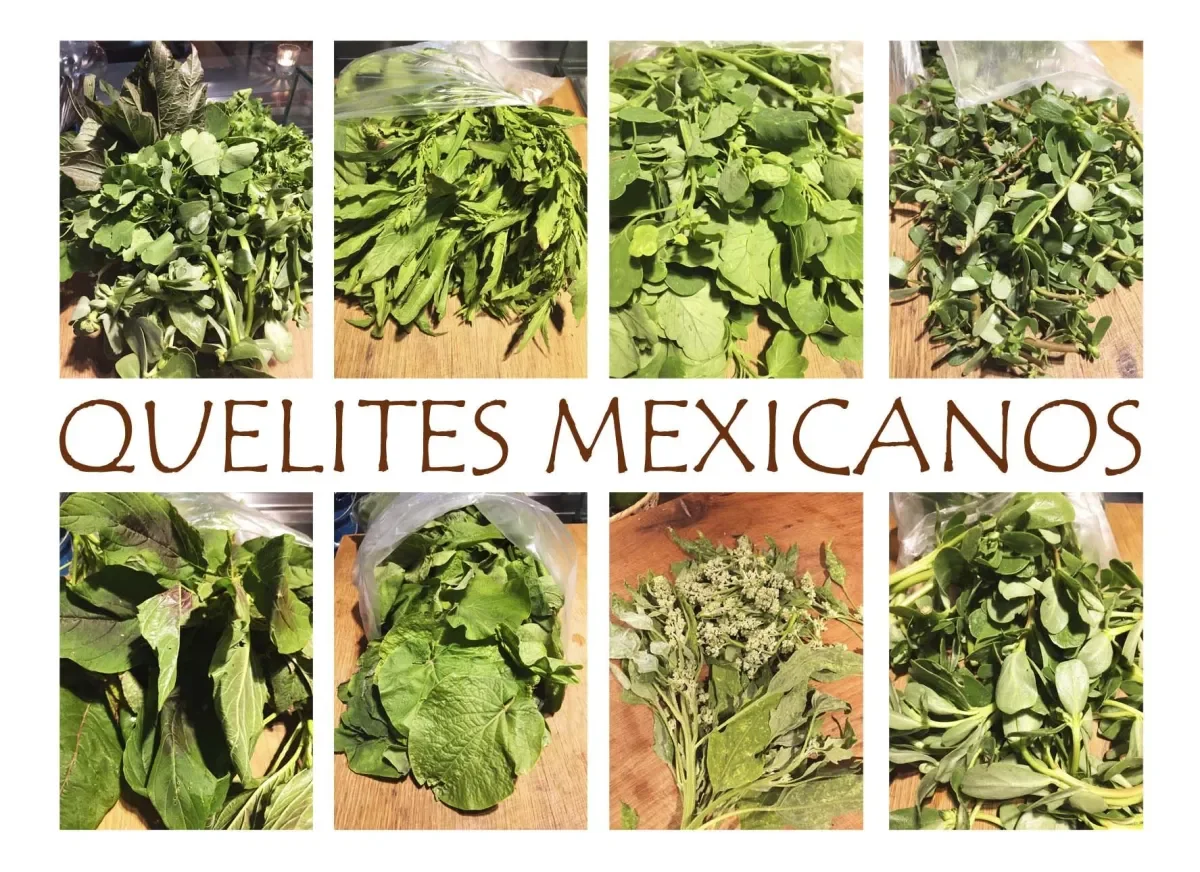
What sets quelites apart is their remarkable dual nature. While many grow wild as "weeds" in agricultural fields, they've been actively managed within Mexico's traditional milpa agroecosystem for thousands of years. Indigenous farmers didn't merely tolerate these plants; they cultivated, selected, and preserved them with the same care given to corn, beans, and squash. This relationship represents a sophisticated form of agricultural biodiversity that predates modern monoculture farming by millennia.
The Nutritional Powerhouses Hiding in Plain Sight
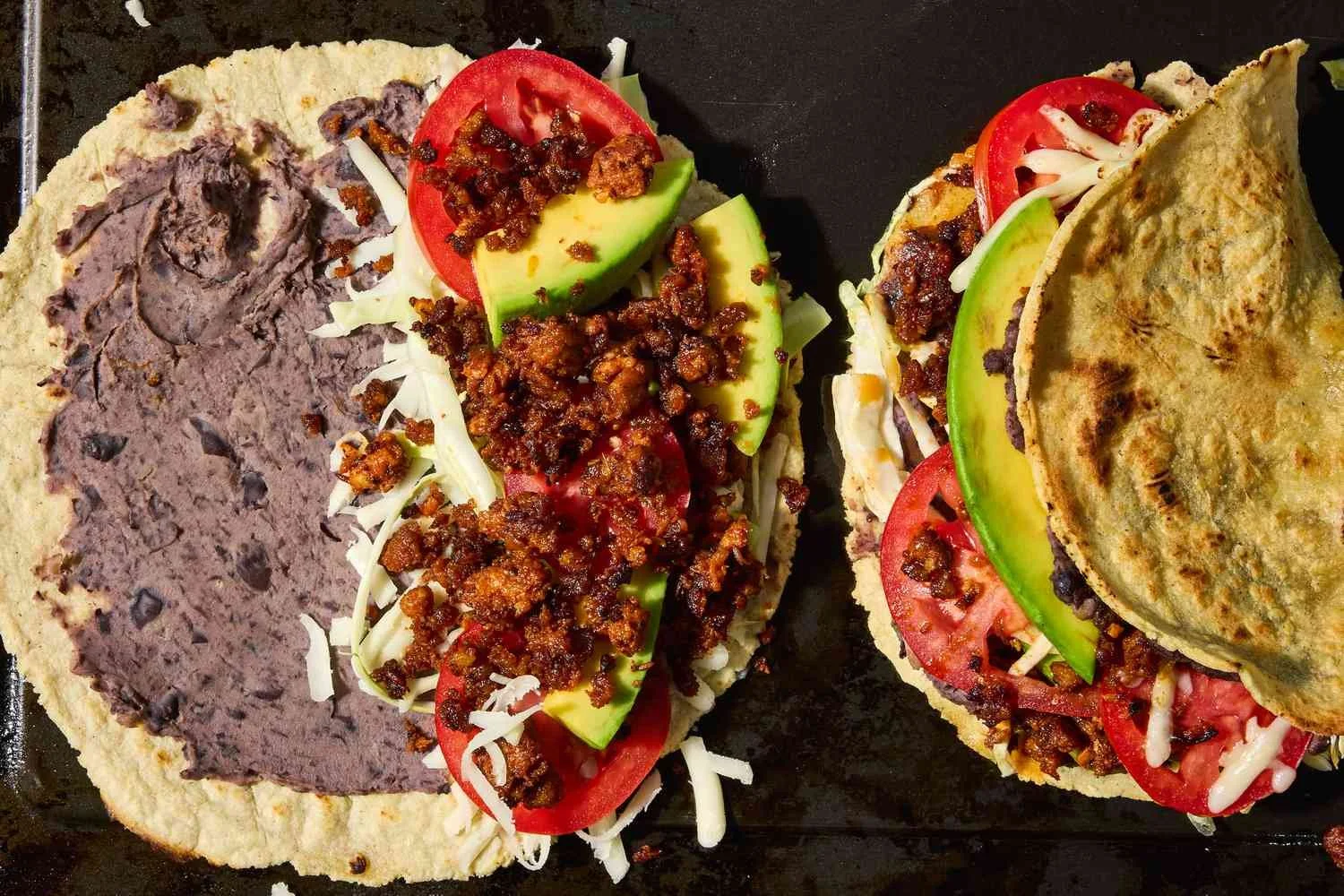
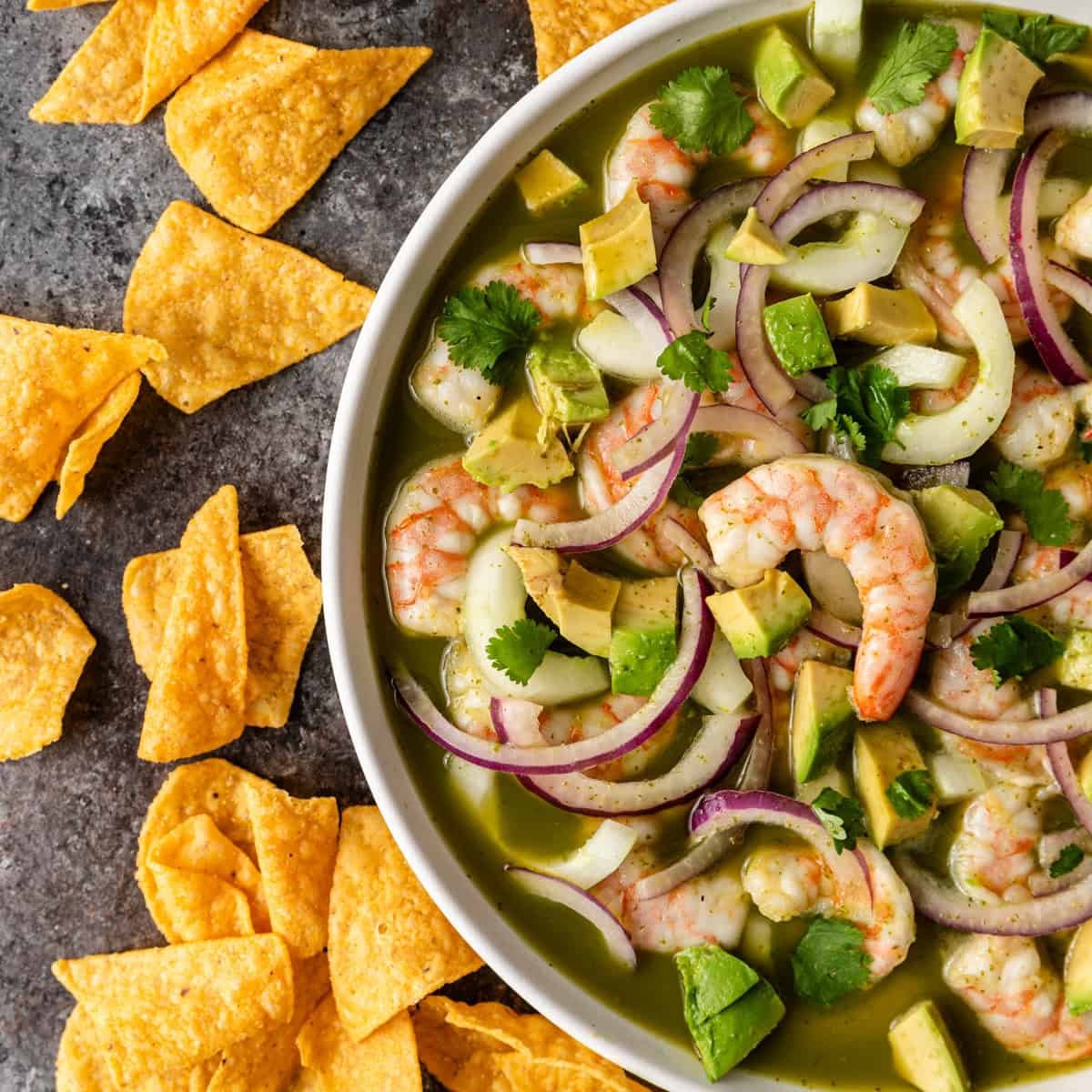
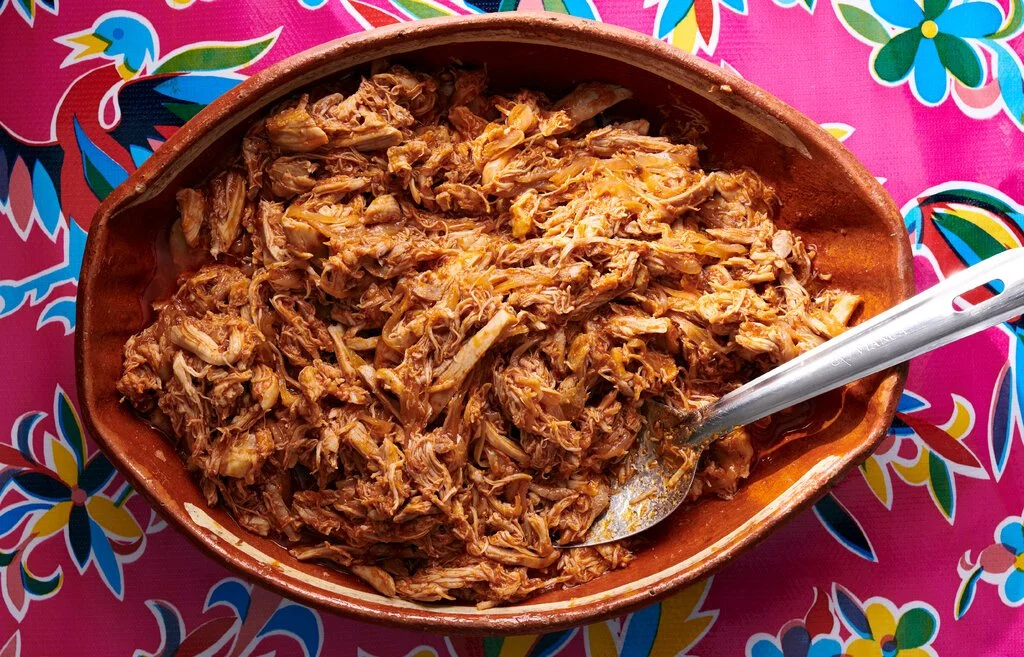
Contemporary nutritional science has revealed what indigenous communities knew intuitively: quelites are among the most nutrient-dense foods available. The numbers are staggering and challenge our assumptions about which foods deserve the label "superfood."
We offer catering services in and around Austin, TX and Texas Hill Country. Inquire HERE.
Verdolagas: The Omega-3 Champion
Common purslane (Portulaca oleracea), known as verdolagas in Mexico, might be dismissed as a garden weed by many North Americans, yet it stands as one of the richest plant sources of omega-3 fatty acids on the planet. Verdolagas contains five to seven times more alpha-linolenic acid (ALA) than spinach, and remarkably, trace amounts of EPA—a more bioavailable omega-3 typically found only in fish and algae. Beyond omega-3s, purslane delivers six times more vitamin E than spinach and seven times more beta-carotene than carrots.
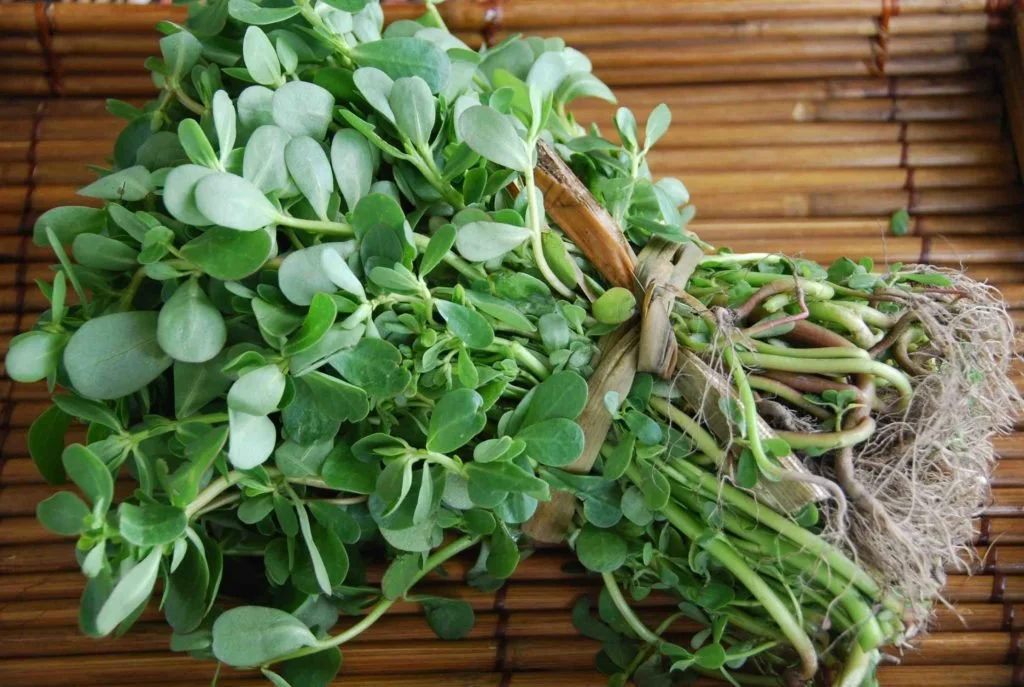
For populations with limited access to fish or flaxseed, verdolagas represents an accessible, culturally appropriate source of essential fatty acids that support cardiovascular health, reduce inflammation, and promote cognitive function.
Quintoniles: Calcium Without the Cow
Amaranth greens, called quintoniles in Mexico, shatter the myth that dairy products are necessary for calcium intake. Per 100 grams, quintoniles provide 215 milligrams of calcium—more than dairy milk—alongside 611 milligrams of potassium and 2.3 milligrams of iron. Perhaps most impressively, these greens contain 1,140 micrograms of vitamin K, representing 950% of the daily value.
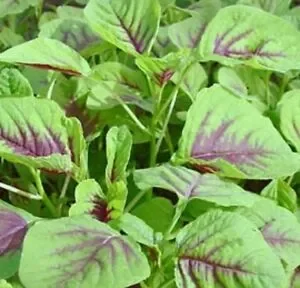
This nutrient profile makes quintoniles especially valuable for populations with lactose intolerance (which affects many people globally) and those seeking plant-based calcium sources. The presence of vitamin K further enhances bone health by facilitating calcium absorption and bone mineralization.
Huauzontle: The Fermentation Wonder
Chenopodium nuttalliae, known as huauzontle, has been a pseudocereal staple since pre-Hispanic times. Its nutritional value rivals that of milk and spinach, providing substantial amounts of calcium, vitamin A, riboflavin, vitamin C, and protein. Recent research has revealed something even more intriguing: when fermented with *Lactiplantibacillus plantarum*, huauzontle's antioxidant capacity increases by 145% according to ORAC (Oxygen Radical Absorbance Capacity) testing.
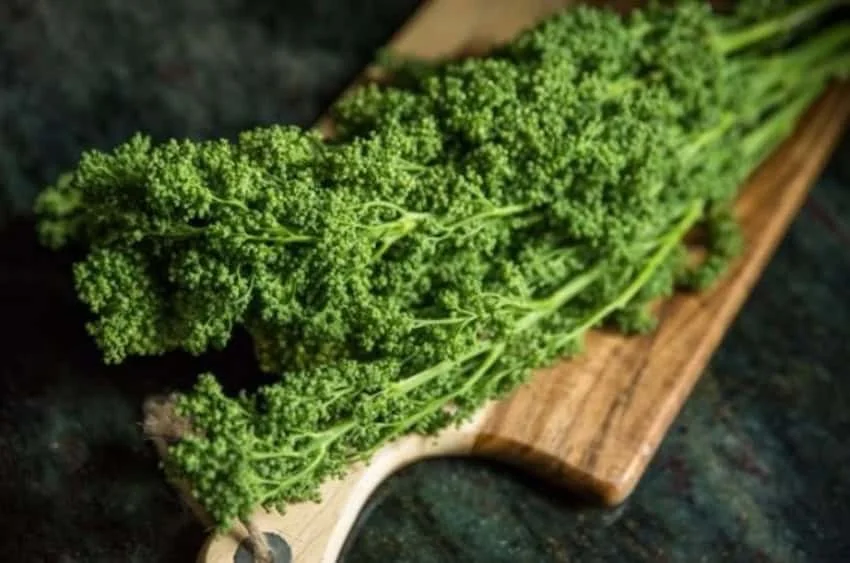
This enhancement through fermentation suggests that traditional food preservation methods weren't just practical—they were nutritionally sophisticated, increasing the bioavailability of beneficial compounds.
Chaya: Tree Spinach's Triple Threat
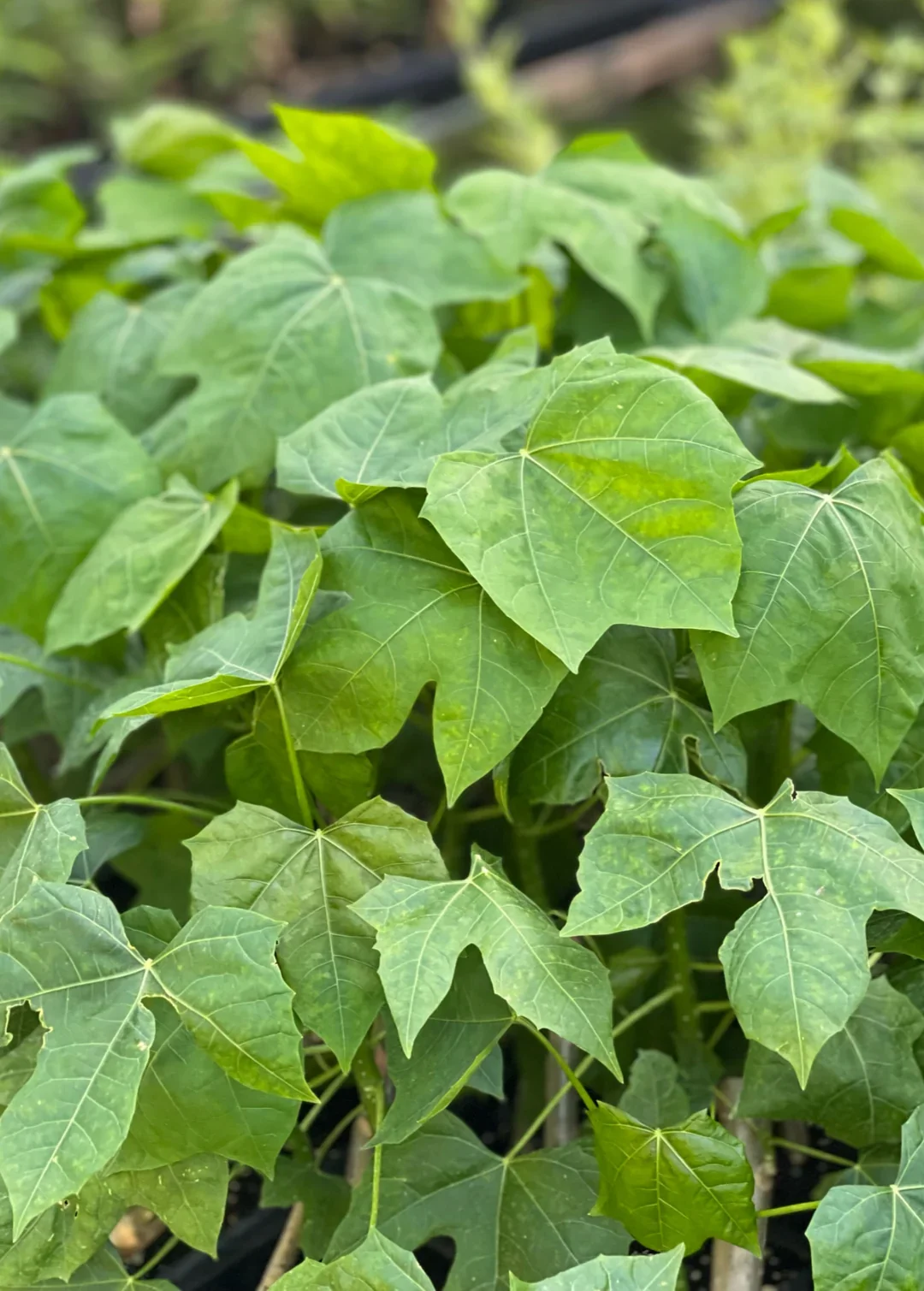
Called "tree spinach," chaya (*Cnidoscolus aconitifolius*) contains two to three times more nutrients than conventional leafy greens. It provides 5.7% protein compared to spinach's 3.2%, alongside exceptional levels of calcium, iron, and vitamins A and C. However, chaya requires proper cooking to neutralize toxic glucosides—a reminder that traditional preparation methods evolved for safety as well as flavor.
Epazote: The Digestive Ally
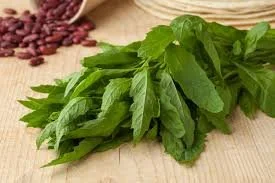
Beyond nutrition, epazote (Dysphania ambrosioides) demonstrates the medicinal dimension of quelites. This aromatic herb contains ascaridole, a compound with anti-parasitic properties that also helps reduce gas and bloating when added to bean dishes. Rich in vitamins A, calcium, and magnesium, epazote serves dual roles as both flavoring agent and digestive aid. Traditional cooks add it to *frijoles* not merely for taste, but to make beans more comfortable to digest—a practice now supported by scientific understanding of its carminative properties.
Pápalo: The Fertility Herb
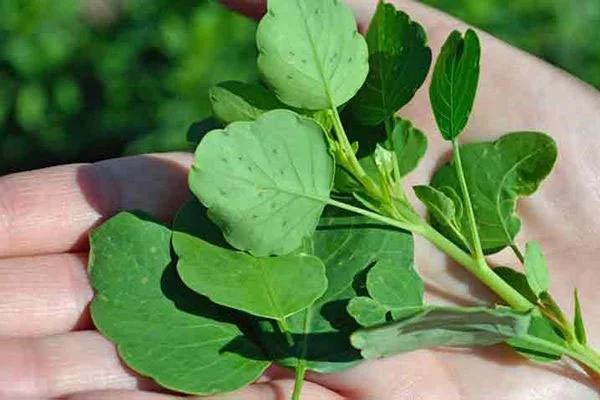
Porophyllum ruderale, known as pápalo or papaloquelite, offers a complex flavor profile combining citrus, cilantro, and peppery notes. Linked to the Aztec goddess Xochiquetzal and associated with fertility, pápalo delivers substantial amounts of antioxidants, iron, and vitamin C. Unlike many herbs, pápalo must be used fresh, as cooking destroys its distinctive flavor compounds.
The Milpa: An Agroecological Marvel
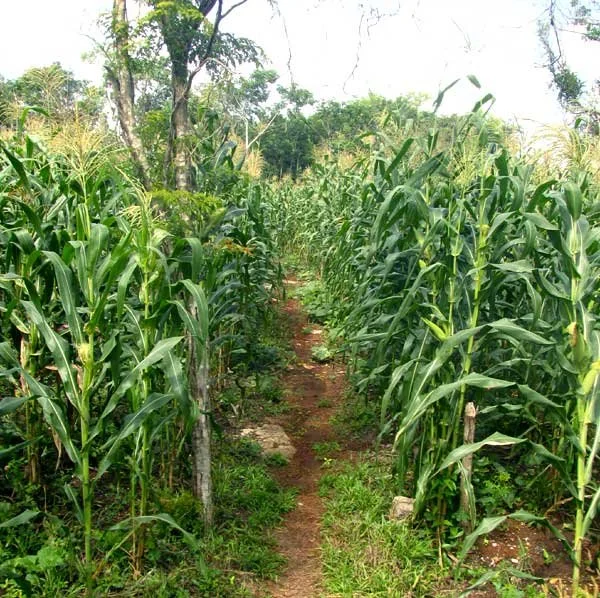
To understand quelites fully requires understanding the milpa, the traditional Mesoamerican intercropping system that has sustained communities for over 4,000 years. The milpa centers on the "Three Sisters"—corn, beans, and squash—but incorporates dozens of additional species including chile peppers, medicinal plants, and numerous quelites.
This polyculture system represents agricultural genius. Corn provides structure for climbing beans, beans fix nitrogen in the soil, squash leaves shade the ground and reduce weeds, while quelites fill ecological niches throughout the growing season. In Tlaxcala, Mexico, typical milpa systems produce up to 13.2 tons of quelites annually, with families consuming three kilograms two to three times weekly.
The milpa's resilience becomes especially apparent during drought. When corn and bean crops fail due to water stress, drought-tolerant quelites like *Portulaca*, *Amaranthus*, and *Chenopodium* species continue producing, providing critical food security. This built-in insurance system has enabled rural communities to survive climate variability for millennia.
From Pre-Hispanic Staple to Spanish Suppression
Quelites formed a cornerstone of the pre-Hispanic diet, documented extensively by Fray Bernardino de Sahagún, a Franciscan missionary who arrived in Mexico in 1529. His encyclopedic work "Historia general de las cosas de nueva España" (General History of the Things of New Spain) and the Codex Badianus (1552) recorded the medicinal and nutritional uses of numerous quelites.
However, Spanish colonization triggered the systematic suppression of indigenous foodways. Colonial authorities actively discouraged quelite consumption, viewing it as evidence of indigenous backwardness. Spanish imports—wheat, lettuce, cabbage, spinach—received prestige, while native vegetables were marginalized. This cultural violence had nutritional consequences that persist today, contributing to the erosion of food sovereignty and the rise of diet-related diseases.
The symbolic weight of this suppression appears in the very language. When Itzcoatl, the fourth ruler of Tenochtitlan, was born to a slave woman, he received the name "Obsidian Serpent Quelites"—a reference suggesting low social status despite his eventual rise to power and his role in founding the Aztec empire. Even royalty bore the stigma attached to these humble greens.
Clinical Evidence: Quelites as Medicine
Modern research has begun validating traditional knowledge about quelites' health benefits through controlled clinical studies. A particularly compelling study examined the effects of quelite supplementation on adolescents exposed to arsenic contamination. Participants received a powder supplement containing *Chenopodium berlandieri* and *Portulaca oleracea* alongside nutritional counseling.
Results demonstrated significant improvements across multiple biomarkers. Hemoglobin levels increased, urinary malondialdehyde (a marker of oxidative stress) decreased, and arsenic excretion through urine improved beginning in the second week of supplementation. These findings suggest quelites' rich content of phytochemicals—including phenolic acids like chlorogenic acid and flavonoids like phloridzin and naringenin—provides protective effects against environmental toxins.
Additional in vitro studies have demonstrated anti-*Helicobacter pylori* activity, anti-inflammatory effects through lipoxygenase inhibition, and antioxidant properties measured via DPPH, ABTS, and FRAP assays. Fermented huauzontle has even shown antidepressant and anxiolytic effects in animal models, possibly due to its trace element content and impact on brain function.
Quelites in Contemporary Cuisine
While quelites risk being forgotten in many Mexican households, innovative chefs are spearheading their renaissance in fine dining contexts. Chef Enrique Olvera, whose Mexico City restaurant Pujol consistently ranks among the world's best, features quelites prominently in dishes like abalone tostada with green mole, chile pasado, and cured egg yolk. His New York restaurant Cosme serves stuffed avocado with seafood and shishito peppers alongside quelites, introducing these traditional greens to international audiences.
At Ramona in Cancun, Chef José Meza (who trained at Pujol) created "Fish in Mole Verde, Tomatillo, Quelites and Puréed Wild Vegetables," enrobing delicate fish fillets with a sprinkling of chopped quelites that deliver "earthiness, piquancy, and gastronomic adventure". These modern interpretations honor tradition while demonstrating quelites' versatility in contemporary plating and flavor pairings.
Traditional Preparations Worth Preserving
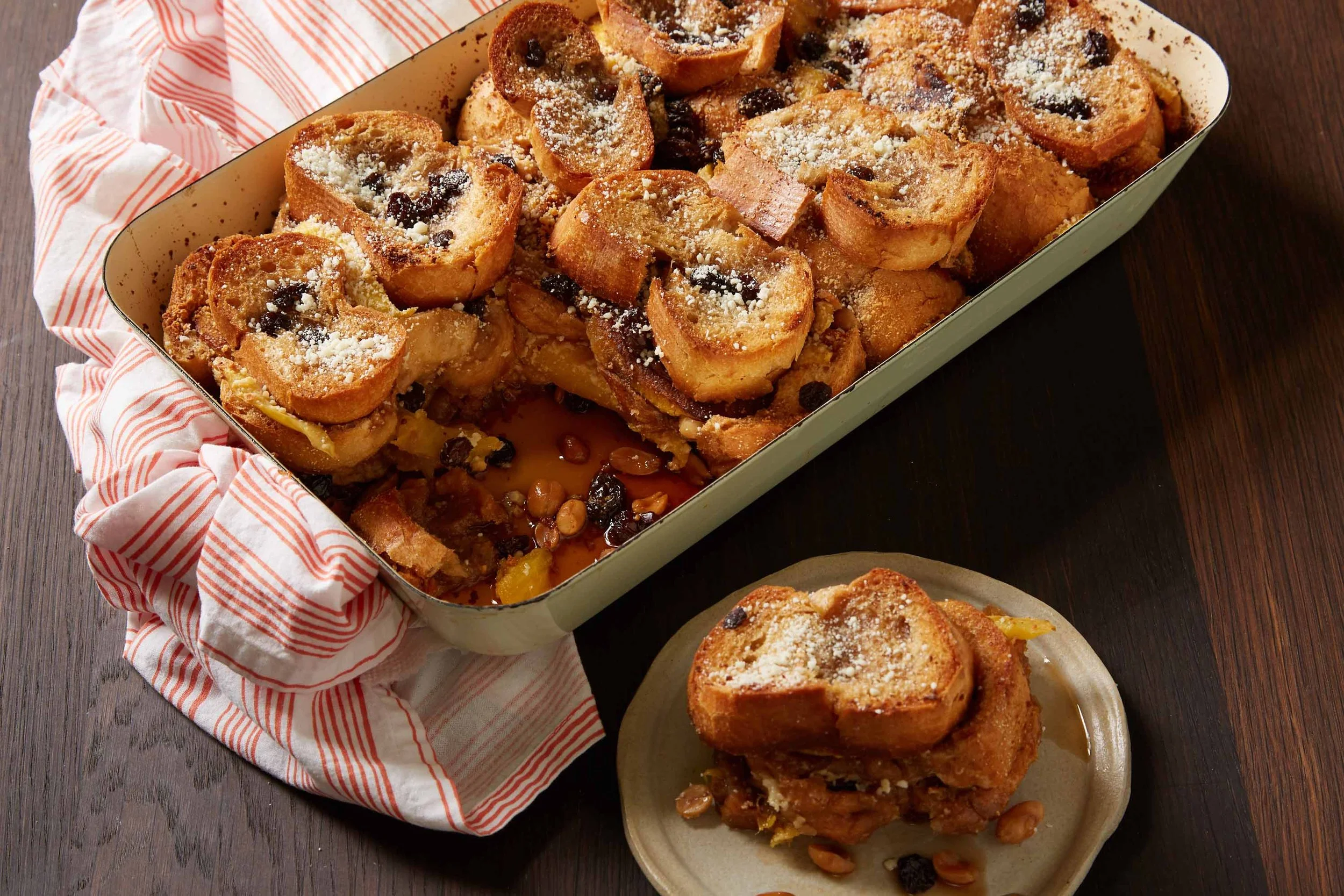
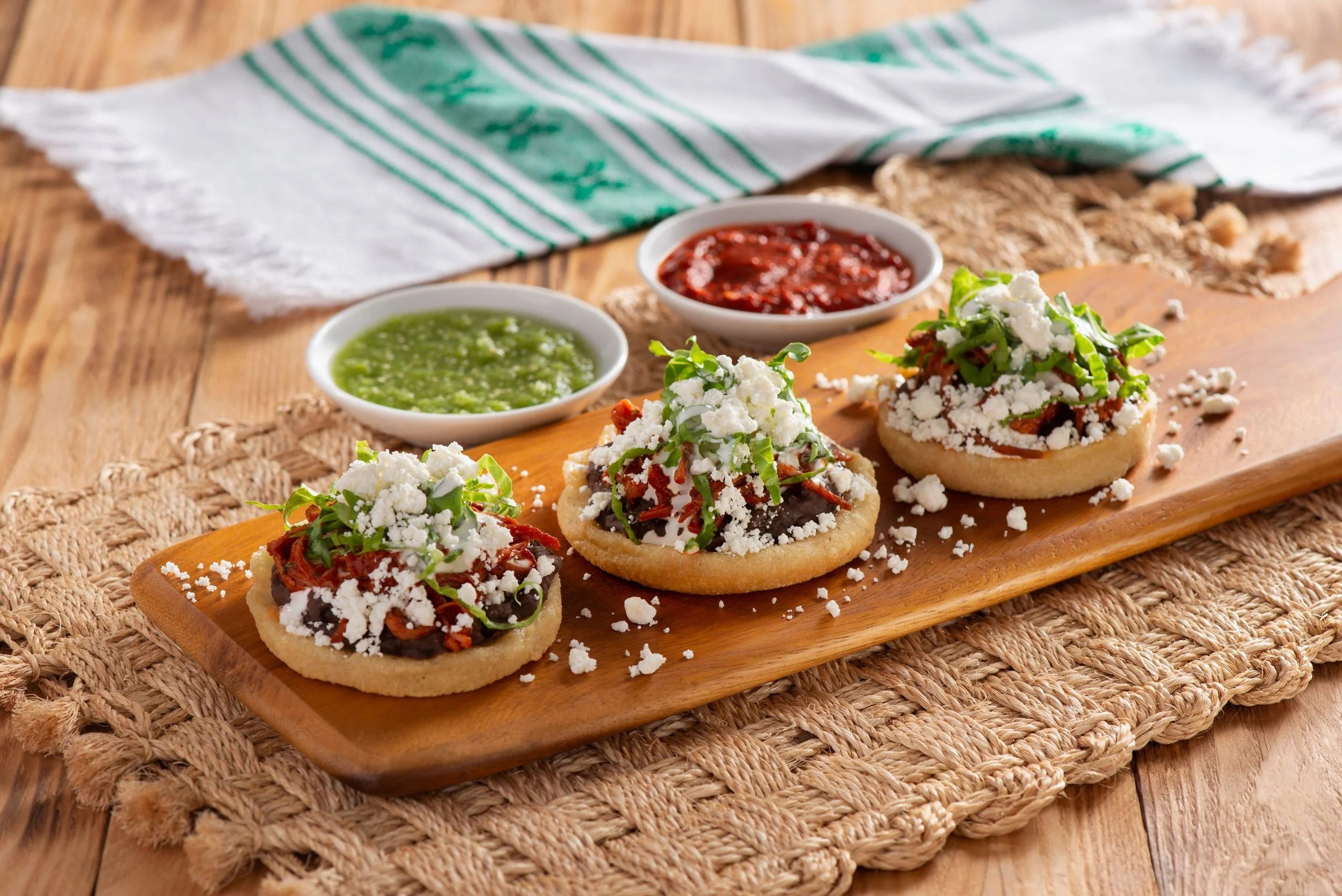
Despite haute cuisine innovations, quelites shine in traditional preparations that have nourished families for generations. *Quelites guisadas*—wild greens sautéed with onion, garlic, tomato, and jalapeños—represents the simplest and perhaps most satisfying preparation. The greens are blanched until tender, refreshed in cold water, squeezed dry, then cooked with aromatics until everything melds into a thick, savory stew.
*Romeritos* (*Suaeda torreyana*) appear on Mexican tables during Christmas and Easter, traditionally prepared in mole sauce with shrimp patties, potatoes, and nopales (cactus paddles). This festive dish combines the slightly briny, spinach-like romeritos with the complex spices of mole poblano, creating a celebration of Mexican culinary heritage.
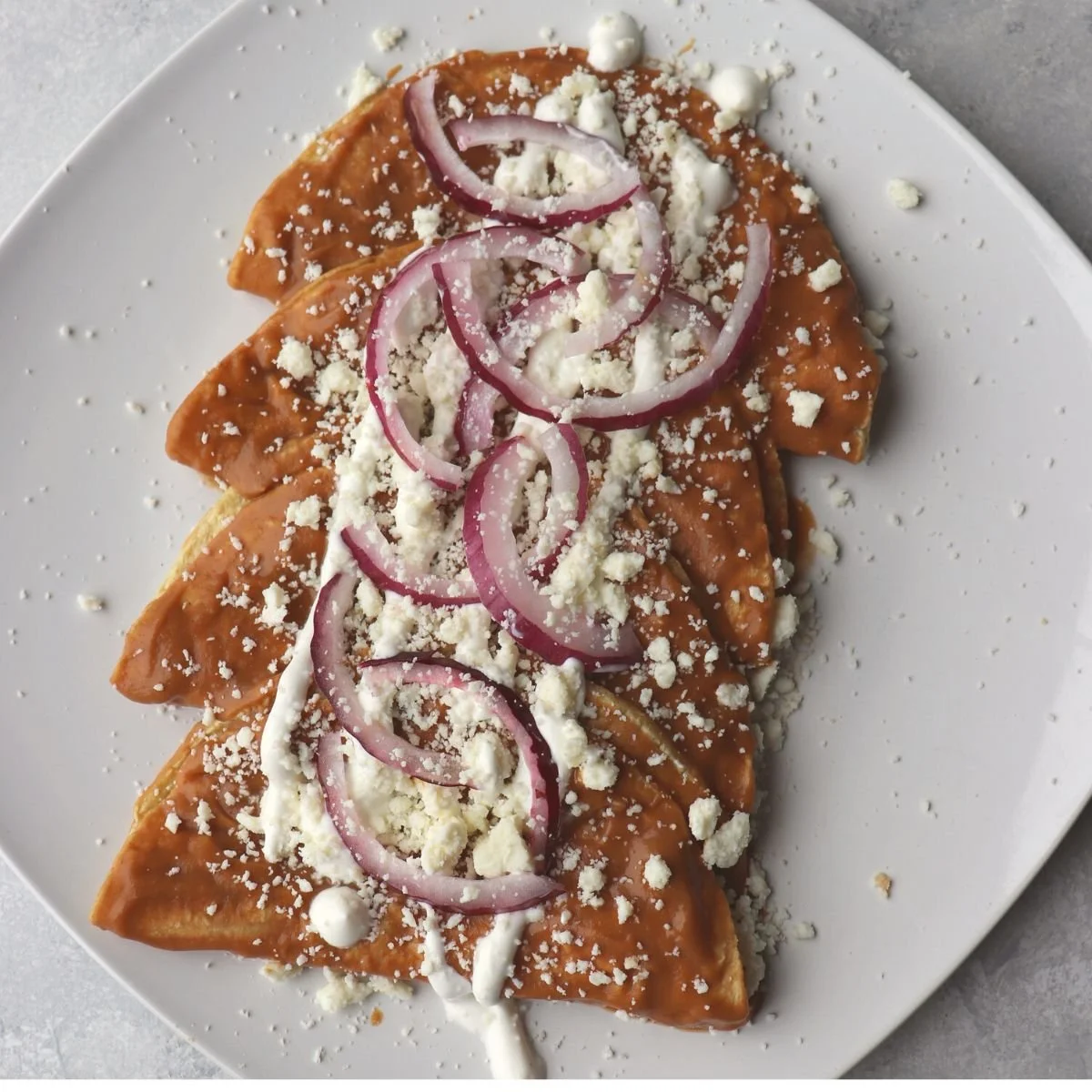
*Huauzontle tortas* demonstrate Mexican ingenuity in vegetarian cooking. The tender flower buds are blanched, stuffed with panela or queso fresco cheese, dusted with flour, dipped in an airy egg batter, and fried until golden. Served in tomato sauce or caldillo, these cheese-stuffed fritters offer satisfying richness while showcasing the delicate flavor of huauzontle.
*Quintoniles con rajas*—amaranth greens with poblano chile strips—pairs the mineral-rich greens with roasted poblanos, butter, onions, and cheese for a sophisticated side dish that complements roasted meats. The slight bitterness of quintoniles balances beautifully with the smoky-sweet poblanos.
The Conservation Crisis
Despite their nutritional superiority and cultural importance, quelites face a conservation crisis. Only 15% of the estimated 250 quelite species have been subjected to compositional analysis and biological activity studies. This knowledge gap leaves most of these plants scientifically undocumented even as the traditional knowledge surrounding them erodes.
The decline of the milpa system accelerates this loss. Following the North American Free Trade Agreement (NAFTA), Mexican agricultural policies incentivized farmers to abandon traditional polyculture in favor of cash crops and monoculture corn. Urban migration, industrialized agriculture, and the prestige of processed foods have all contributed to declining milpa cultivation.
A study in Oaxaca's Mixteca Alta region revealed that traditional milpa farmers maintained nutritional self-sufficiency through diverse crop systems, while households abandoning the milpa experienced declining food security. The milpa's role in feeding communities extends beyond mere calories—it provides complete nutrition through biodiversity that industrial agriculture cannot replicate.
Climate Resilience and Food Security
As climate change intensifies agricultural challenges globally, quelites offer a model of resilience. These plants evolved to thrive in variable conditions—drought, poor soils, intense heat—making them naturally suited to the environmental stresses that threaten conventional crops. Wild-harvested quelites contain two to five times more vitamins than cultivated greens, suggesting their natural growth cycles develop higher concentrations of protective compounds.
Pearl millet, sorghum, quinoa, and amaranth have gained recognition as climate-resilient crops capable of maintaining yields during drought and extreme heat. Quelites extend this resilience further, offering dozens of species adapted to specific microclimates and ecological niches throughout Mexico.
Bringing Quelites to Your Table
For readers interested in incorporating quelites into their diets, several approaches exist depending on location and resources. In cities with substantial Mexican populations—Los Angeles, Houston, Phoenix, Chicago, New York—Latin grocery stores like La Michoacana and Fiesta Mart often stock epazote, verdolagas, and occasionally other quelites. Farmers markets in summer months may feature purslane and amaranth greens from local farmers who recognize their value.
Foraging represents another option, though it requires careful education. Purslane grows prolifically as a "weed" in gardens, lawns, and cultivated areas throughout North America during warm months. Lambsquarters (*Chenopodium album*), a close relative of huauzontle, similarly appears in disturbed soils, gardens, and agricultural edges. However, safe foraging demands proper plant identification, knowledge of local regulations, and awareness of potential contamination from pesticides or heavy metals.
Never forage roadside plants or those growing near industrial areas and always obtain landowner permission before collecting on private property. Invest in reputable field guides and consider joining a local foraging group to learn identification skills from experienced practitioners.
For gardeners, growing amaranth and purslane proves remarkably simple. Amaranth thrives in warm soil, grows quickly from direct seeding, and requires minimal water once established. Plant amaranth seeds after frost danger passes, spacing plants 12-15 inches apart. Pinch the central growing tip when plants reach knee height to encourage branching and more manageable stem sizes.
Purslane essentially grows itself, often appearing voluntarily in gardens and demonstrating impressive drought tolerance. Many gardeners discover they've been weeding away a nutritional powerhouse. Instead of discarding it, harvest young, tender stems and leaves for salads, sautés, or traditional Mexican preparations.