

Mexican Herbs: Growing & Using Essential Varieties (Cilantro, Epazote, Avocado Leaf, and More)
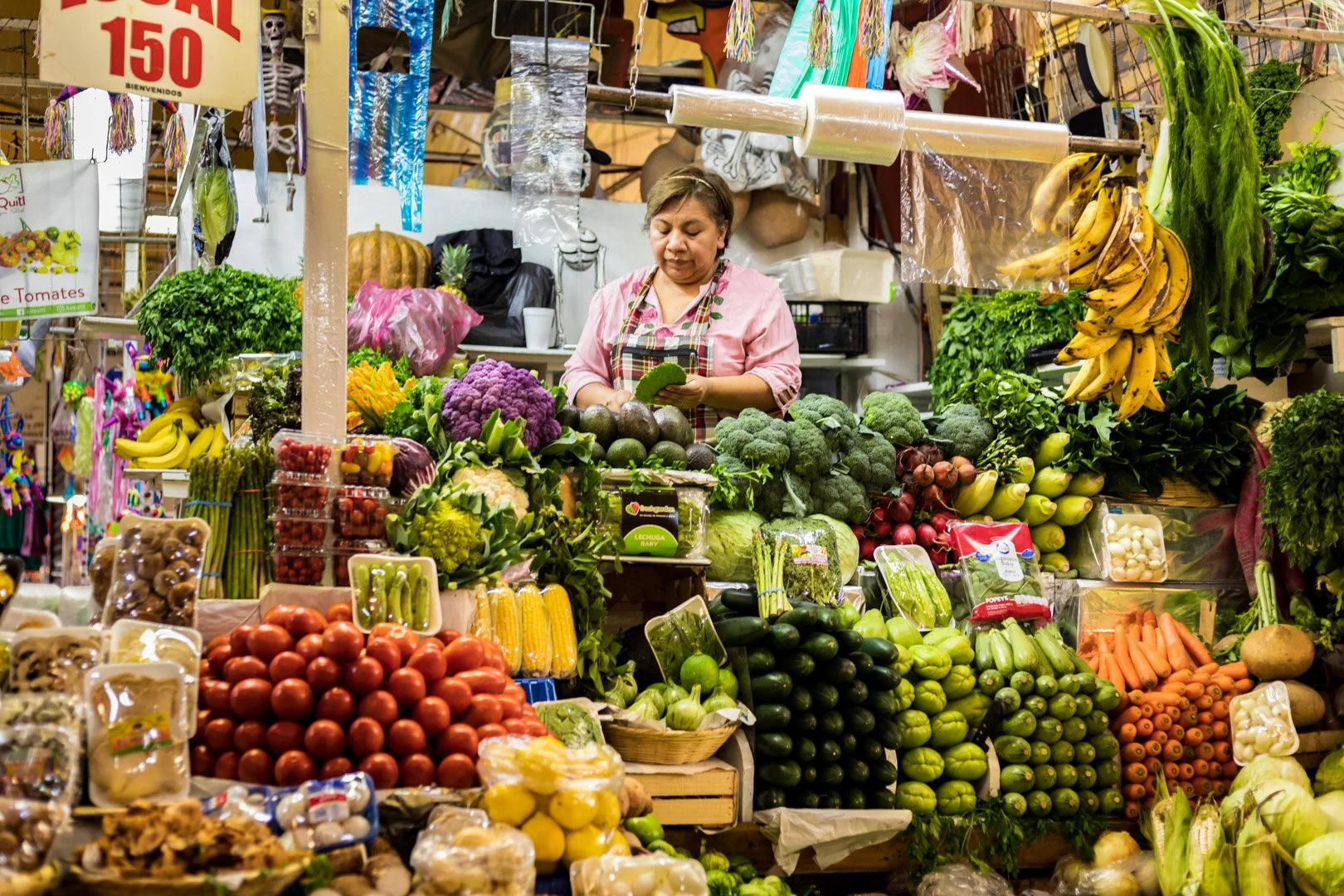
Walk through any Mexican mercado and you'll encounter herb stalls bursting with fresh cilantro, bundles of fragrant epazote, heart-shaped avocado leaves, and broad fuzzy hoja santa leaves—aromatic plants that transform simple dishes into something extraordinary. For cooks outside Mexico, sourcing these herbs presents challenges: availability fluctuates seasonally, quality varies dramatically, and prices can shock compared to the cost in Mexico. The solution lies in your garden. Growing Mexican herbs at home not only ensures fresh supply but deepens your connection to the culinary traditions these plants represent. Each variety offers distinct flavor profiles and growing requirements, rewarding patient gardeners with harvests that echo the vibrant markets of Mexico itself.
Cilantro: The Essential Herb (And Its Challenges)
Cilantro stands as perhaps the most essential Mexican herb, yet it presents paradoxes. It thrives in cool mountain climates (cilantro comes from Mexico's highlands, not lowlands), loves full sun, yet bolts frantically when temperatures rise. This beloved herb ignites passionate divisions—some find its flavor fresh and bright, others perceive an unpleasant soapiness (a trait linked to specific genetic variations affecting taste perception).
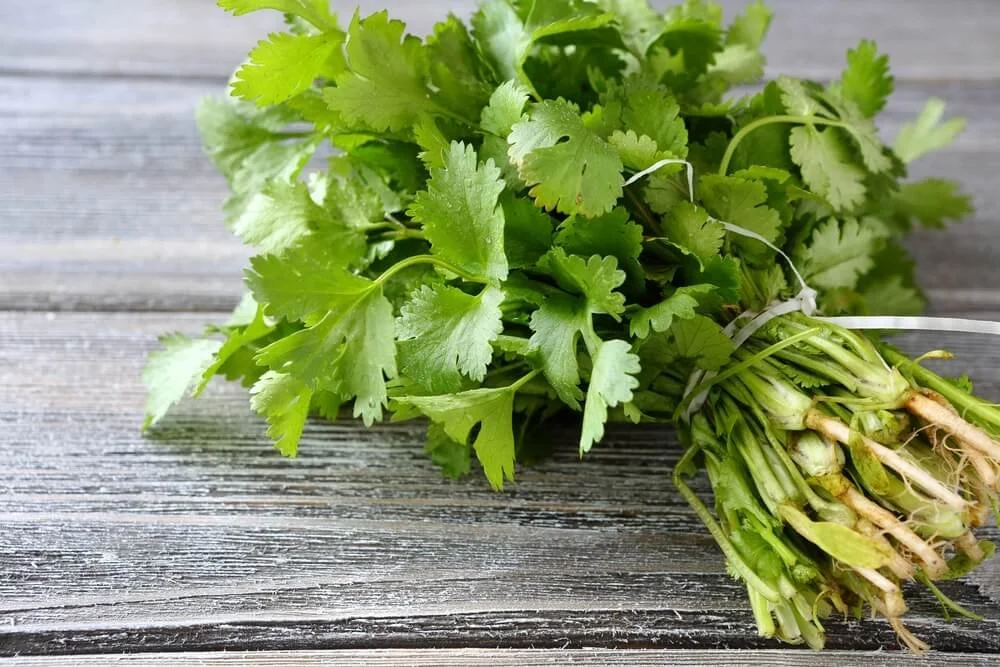
Growing Cilantro Successfully:
Cilantro prefers full sun to partial shade and well-drained soil with pH around 6.5. Direct sow seeds rather than transplanting; cilantro's taproot dislikes disturbance. Water consistently until germination and maintain about one inch of water per week. In hot climates, afternoon shade helps prevent bolting; mulching with straw keeps soil cool.
The key to year-round cilantro: succession planting. Rather than hoping a single planting sustains you, sow fresh cilantro seeds every two weeks throughout the growing season. Plant in early spring and late summer when temperatures favor growth. Cilantro matures in just 30 days, so quick succession planting creates continuous harvest.
Cilantro grows best from fall through spring in most climates. Some varieties are frost-hardy and can withstand temperatures dropping to 28°F. In mild winter climates (Zone 9), plant cilantro in fall and harvest through winter. In colder climates, wait until spring after frost danger passes.
We offer catering services in and around Austin, TX and Texas Hill Country. Inquire HERE.
Harvesting Techniques:
Use scissors to harvest from the top, leaving at least one inch of plant to regrow. Or employ the "cut-and-come-again" method: work systematically through your cilantro bed, harvesting small portions from one end, and by the time you finish the other end, the first section will be ready to harvest again. This technique extends harvest season by delaying bolting.
Let some cilantro complete its life cycle to reseed naturally—an easy way to maintain cilantro through seasons. Allow flowers to remain on the plant and seeds will scatter, providing volunteers for next season.
Epazote: The Digestive Aid
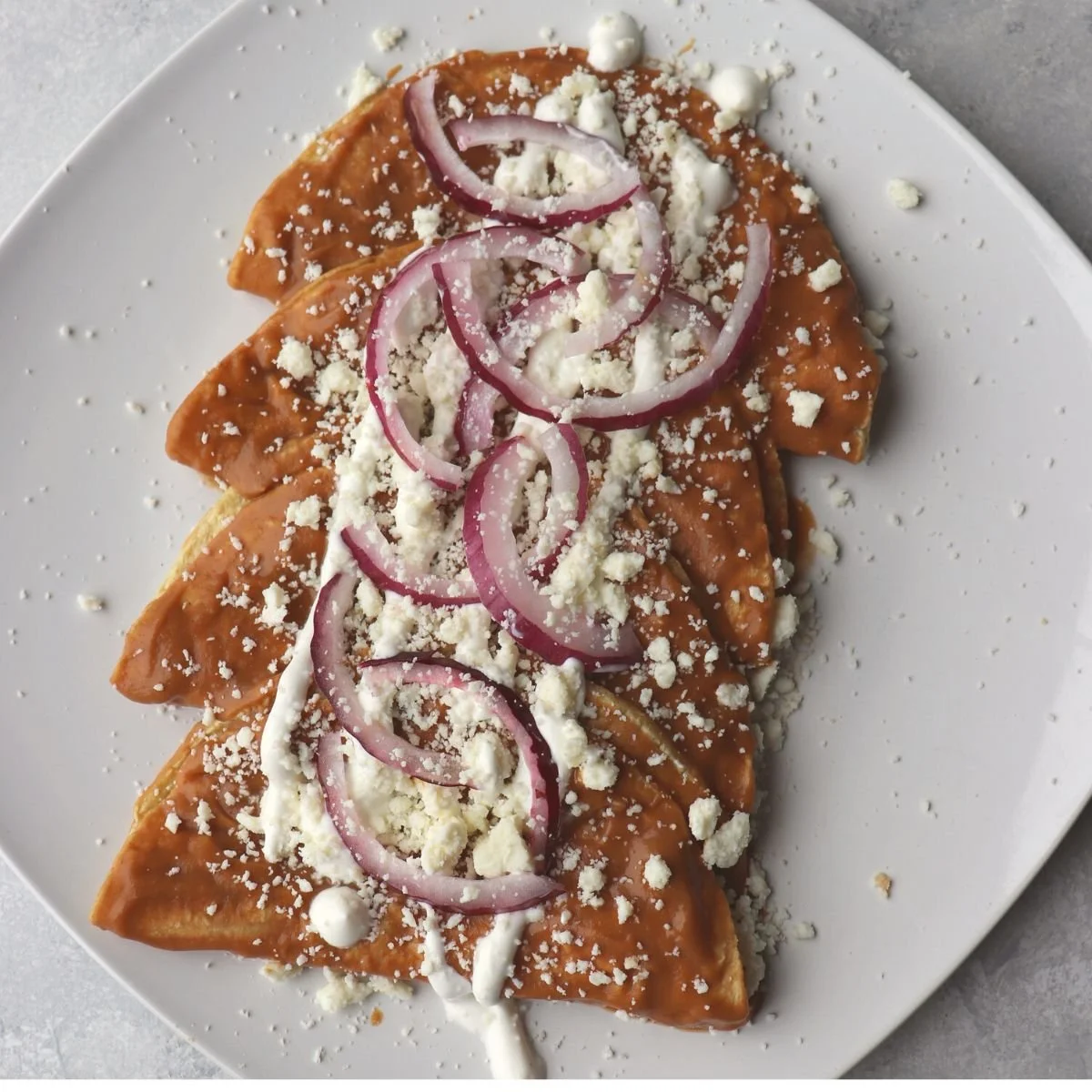
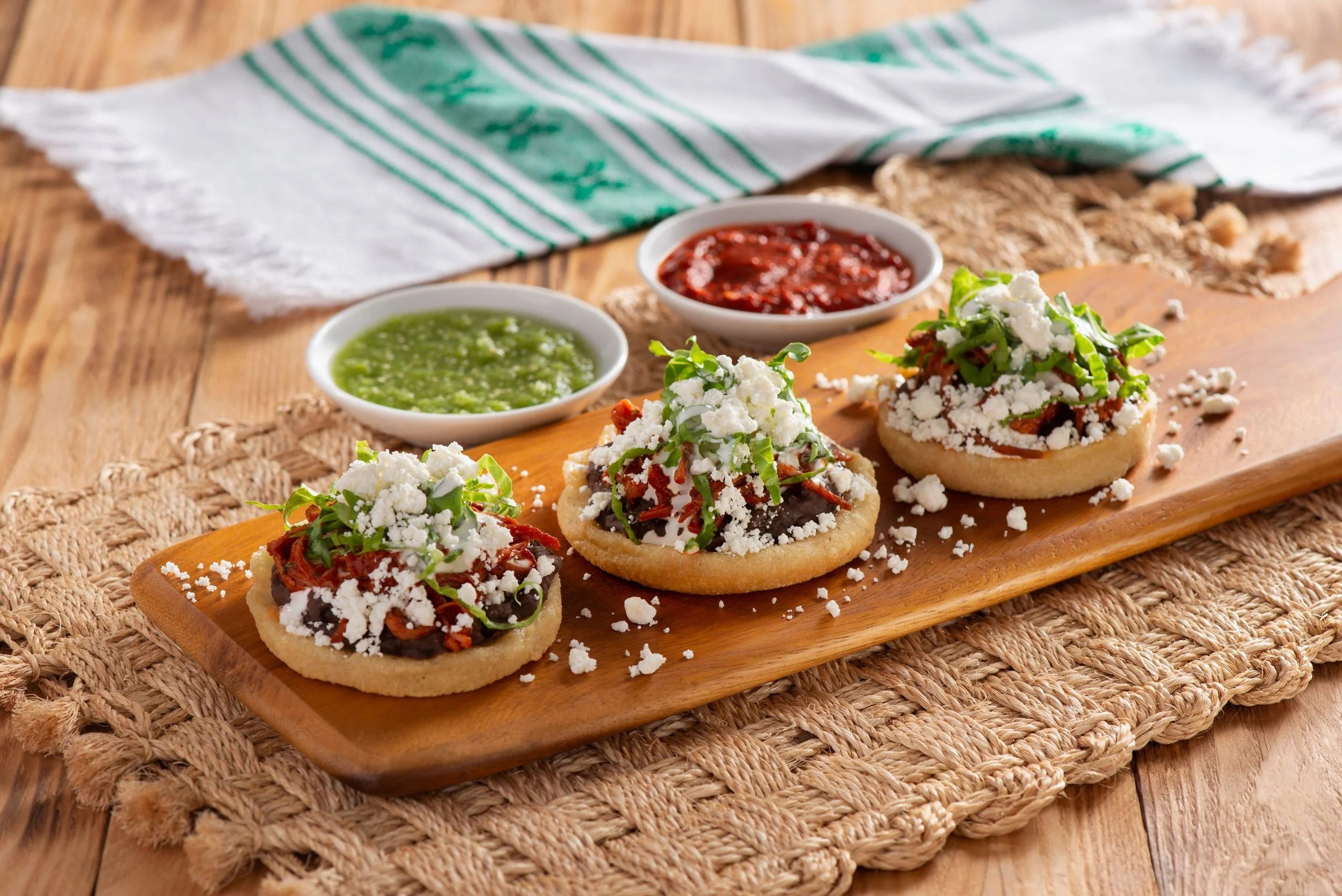
Epazote (Dysphania ambrosioides) represents one of Mexico's most valuable culinary herbs, used in bean dishes not merely for flavor but for its documented digestive benefits. This plant contains ascaridole, a compound that reduces gas and bloating while helping break down the complex carbohydrates that make beans difficult to digest. Traditional Mexican cooks add epazote during bean cooking to prevent flatulence—a practice now supported by nutritional science.
Beyond digestion, epazote delivers impressive nutritional value. It provides fiber, vitamins A, B-complex (B1, B2, B3, B6, B9), and C, plus minerals including calcium, iron, magnesium, potassium, and phosphorus. Studies suggest epazote may support bone health, boost immunity, aid weight loss, and even reduce menstrual discomfort. Traditional medicine has used epazote for respiratory issues, parasitic infections, and inflammatory conditions.
Growing Epazote:
Plant epazote in moderately fertile, well-aerated soil with consistent moisture. The herb tolerates various soil conditions and grows readily from seed. Keep plants weeded and fertilize as needed. Prune the central stem to encourage branching and fuller growth.
Using Epazote:
Fresh leaves add powerful flavor to bean soups, bean dishes, and other preparations. Use just a few fresh leaves—epazote's flavor is intense and a little goes far. The herb is also dried for storage, though fresh always delivers superior flavor. Fresh leaves can be brewed into tea. Seeds and dried fruits retain ascaridole, but should only be used under guidance from trained herbalists due to toxicity risks at high doses. Pregnant women should avoid epazote, as it was traditionally used for birth control.
Avocado Leaves: The Subtle Sophisticate
Avocado leaves from the Mexican avocado tree (Persea drymifolia) contribute an unusual anise-like flavor with hazelnut undertones to dishes. Critical caveat: only Mexican avocado varieties are safe and flavorful. Other avocado species' leaves may be toxic—never use leaves from California Hass avocados or other non-Mexican varieties.
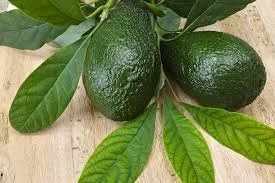
Avocado leaves
Indigenous Zapotecs in Oaxaca have used avocado leaves for centuries, particularly in southern states like Oaxaca and Puebla. Traditional preparation often involves toasting dried leaves in a dry skillet for 10-15 seconds per side before use—this step activates essential oils and intensifies aroma.
Culinary Applications:
Avocado leaves shine in black beans, where their mineral-forward, earthy flavor enhances rather than overwhelms. They're added during the last 15 minutes of cooking, then removed before serving (like bay leaves). Traditionally used as bed for roasting meats or wrapped around fish and chicken during grilling. Some Oaxacan mole negro recipes include crushed avocado leaves among their secret spices. The leaves infuse soups, stews, and marinades with subtle complexity.
Unlike cilantro, avocado leaves intensify when dried—dried versions actually deliver stronger flavor than fresh. This makes them valuable pantry staples that store indefinitely.
Hoja Santa: The Sacred Leaf
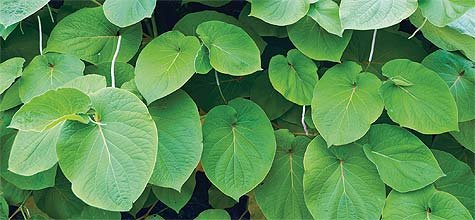
Hoja santa (Piper auritum) occupies special status in Oaxacan cooking. Also called "sacred leaf" from a Mexican legend that the Virgin Mary dried baby Jesus's diapers on its branches, this heart-shaped herb reaches impressive size—leaves grow to 30 centimeters or more. Its flavor defies simple description: comparisons include eucalyptus, licorice, sassafras, anise, nutmeg, mint, tarragon, and black pepper, with stronger flavor in young stems and veins.
Culinary Significance:
Hoja santa appears as essential ingredient in mole amarillo and mole verde from Oaxaca. In Veracruz, Chiapas, and Tabasco, the broad leaves wrap meat, fish, and tamales before cooking—the leaf imparts aromatic quality while protecting delicate proteins. Central Mexico uses hoja santa in chocolate drinks, continuing Aztec tradition. In Yucatán, the leaves are key to verdín, a green liquor. Modern cocktail experiments infuse hoja santa into simple syrup for herbal drinks.
Growing and Preparation:
Hoja santa grows best fresh, as drying removes most flavor. The fuzzy dark leaves are best suited for cooked applications where their tough veins become tender while retaining flavor. While traditionally hard to source outside Mexico, some specialty markets now carry fresh or dried versions. Growing hoja santa requires subtropical to tropical conditions—it prefers warmth and humidity, making it challenging in temperate climates without greenhouse protection.
Important Note: Hoja santa contains safrole (around 70% concentration), a compound flagged as potentially hepatotoxic in animal studies. While traditional culinary use carries minimal risk, medicinal applications should be approached cautiously.
Papalo: Summer Cilantro
When cilantro bolts in summer heat, papalo (Porophyllum ruderale)—also called papaloquelite or "summer cilantro"—provides salvation. This Mexican and Central American herb has flavor combining cilantro's brightness with hints of lime, mint, and pronounced pungency. The herb's use predates cilantro's introduction to Mexico by thousands of years, making it the original choice before cilantro became popular.
Growing Papalo:
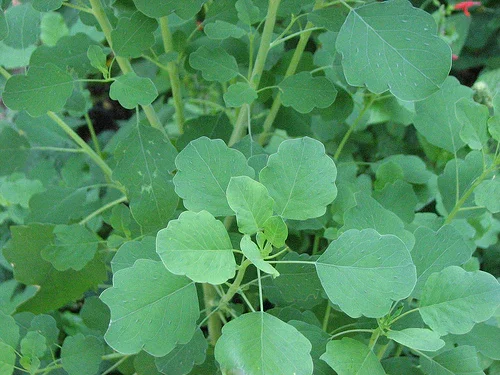
Unlike cilantro, papalo thrives in hot weather without bolting. It grows readily from seed in ordinary garden soil with moderate to full sun. The plant becomes prolific—sometimes overly so—producing abundant leaves throughout summer and into fall. Papalo can reach five feet tall if left unharvested; regular harvesting keeps it productive while preventing it from shading neighboring plants.
Using Papalo:
Papalo should always be used fresh—flavor is lost when cooked. Add it at the end of cooking or use in raw applications. Use less papalo than cilantro (about one-third as much) when substituting, then adjust to taste since papalo's flavor is stronger and more pungent. Pick young leaves for milder flavor; older leaves become increasingly intense.
Applications mirror cilantro's: salsas, guacamole, salads, tacos, beans, and rice dishes. Mexican restaurants sometimes place fresh papalo cuttings on tables, allowing diners to add leaves as desired. Create papalo pesto by blending leaves with oil, lime juice, and garlic, then freeze in ice cube trays for year-round use.
Mexican Oregano: The Hot Climate Lover
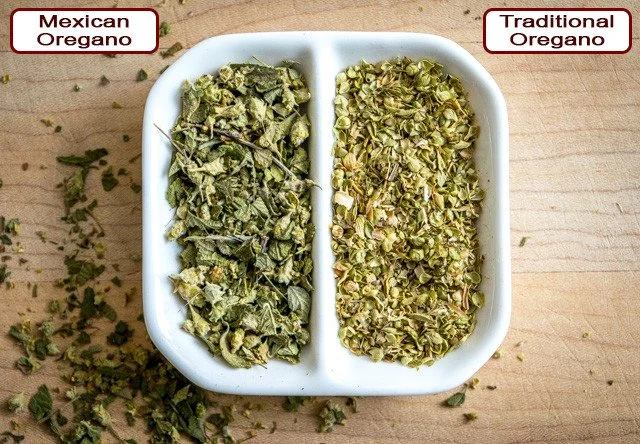
Mexican oregano (Lippia graveolens), despite sharing a name with Mediterranean oregano, represents an entirely different plant from a different botanical family. Mexican oregano—also called wild oregano—comes from Mexico, Guatemala, and Central America, thriving in hot climates.
Flavor Profile and Growing:
Mexican oregano delivers strong, pungent flavor with notes of anise, licorice, bright citrus, and floral undertones. It grows in coarse texture with larger leaves and stems requiring breaking up before use. The herb thrives in hot climates that Mediterranean oregano finds challenging.
Both Mexican and Mediterranean oregano contain carvacrol and thymol aromatic oils—the compounds giving both their characteristic fragrances—yet they taste distinctly different. For authentic Mexican cooking, seek Mexican oregano specifically. When unavailable, marjoram provides a closer substitute than Greek oregano does.
Building Your Herb Garden: Season by Season
Fall/Winter (Cool Months): This is cilantro season. Sow cilantro seeds every two weeks from September through March in mild climates, or September through November in colder regions. Epazote and avocado leaves thrive in cooler temps. Mexican oregano, papalo, and hoja santa struggle in cold.
Spring: Plant Mexican oregano, papalo, and hoja santa after frost danger passes. Continue cilantro successions every two weeks until temperatures reach 75°F consistently, then switch focus to papalo. Revive epazote from overwintered plants or resown seeds.
Summer: Papalo becomes the cilantro substitute. Harvest heavily before it becomes overgrown. Mexican oregano produces abundantly. Epazote continues producing if adequately watered. Cilantro plantings bolt—allow some to reseed, compost others.
Fall: Return to cilantro. Begin fresh epazote. As temperatures cool, cilantro will establish and produce prolifically through winter.
Sourcing and Storage
Fresh herbs from the garden are ideal, but storage methods preserve them:
- Cilantro: Bundles root in water like flowers, keeping 1-2 weeks refrigerated. Doesn't dry well.
- Epazote: Dries excellently; hang upside-down in bundles or place in food dehydrator.
- Avocado leaves: Dry completely and store in airtight containers indefinitely.
- Hoja santa: Loses flavor when dried; best used fresh.
- Papalo: Like cilantro, doesn't retain flavor when dried. Make pesto and freeze in oil.
- Mexican oregano: Dries superbly; store in airtight containers away from light.
Conclusion: The Mexican Herb Garden
Growing Mexican herbs at home connects you directly to culinary traditions developed over centuries. Unlike supermarket imports that traveled thousands of miles and lost freshness en route, homegrown herbs deliver maximum flavor, nutrition, and aroma. They cost nearly nothing to grow compared to market prices, provide continuous supply, and offer the immense satisfaction of harvesting from your own garden.
Start with one or two varieties suited to your climate—cilantro for cool months, papalo for summer heat. As confidence builds, expand to epazote for digestive benefits, avocado leaves for subtle sophistication, and Mexican oregano for year-round availability. Soon your garden becomes a living pantry, ready to enhance salsa, beans, soups, and countless other dishes with the authentic flavors that make Mexican cuisine incomparable.